
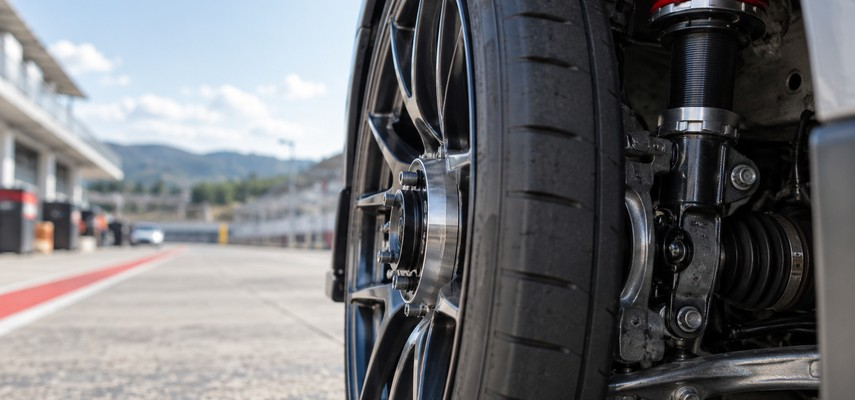

Five parts prepare a Civic Type R for its first track day without touching the engine tune: wheel spacers for proper stance and clearance, an aluminum coolant tank, a baffled oil catch can, and a front chassis brace matched to your specific generation. Three of these five fit both FK8 and FL5, while the front brace splits by platform, a power brace for FK8 and a strut tower bar for FL5. Most of these are straightforward bolt-on jobs, and all five address something that actually matters once a car sees sustained track use rather than just street driving.
Track driving stresses a car differently than street driving does, sustained high RPM, sustained lateral load, and sustained heat cycling all happening for much longer stretches than a spirited street drive ever produces. A handful of inexpensive parts address the most common weak points that surface under that kind of sustained stress. Three of the five fit both generations outright, which matters for anyone reading this list without first checking which specific parts apply to their car.
Wheel Spacers: Stance, Clearance, and a Wider Contact Patch
A Civic Type R on wider wheels or aggressive offset track wheels sometimes needs additional clearance to avoid fender or suspension component rubbing, particularly once camber and ride height are adjusted for track use. Spacers push the wheel out slightly, correcting clearance issues and improving the effective track width for better cornering stability.
These Perrin 27mm Wheel Spacers fit both FK8 and FL5, making this the first universal part on this list. The added track width improves stability under hard cornering, a genuinely useful change for anyone pushing the car harder than normal street driving.

Owners running any aftermarket wheel setup should double check fender and strut clearance before a track day regardless of spacers, since a rubbing tire at speed is a real safety issue, not just a cosmetic annoyance.
Aluminum Coolant Tank: Replacing a Known Heat Weak Point
Track sessions heat cycle the cooling system far harder than street driving does, and the factory plastic coolant expansion tank is a known failure point on this platform. A cracked tank leaks coolant, and a car that loses coolant on track risks overheating at exactly the wrong moment.
The Mishimoto Aluminum Coolant Expansion Tank is listed for both FK8 and FL5, replacing the factory plastic tank with an aluminum one. Why the factory part cracks, and what to replace it with, is covered in the coolant tank problem post.
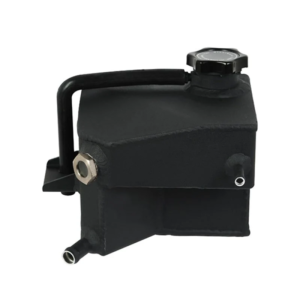
This is a preventative upgrade more than a performance one. Most owners will never notice a difference in normal street driving, but a failed tank on a track day can end the session and risk the engine, which makes this cheap insurance compared with the cost of what it protects.
Baffled Oil Catch Can: Managing Blow-By Before It Becomes a Problem
The K20C1 engine in both FK8 and FL5 Civic Type R models is prone to engine blow-by, oil vapor escaping past the piston rings into the PCV system, which is a normal byproduct of a turbocharged direct injection engine under load. Left unmanaged, that oil vapor can coat intake valves and intercooler internals over time, and track driving accelerates how quickly that buildup occurs due to sustained high load operation.
The Mishimoto Baffled Oil Catch Can Kit fits both FK8 and FL5, catching oil vapor before it reaches the intake system and protecting valve and intercooler cleanliness over the life of the engine.

This is one of the more universally recommended upgrades for any K20C1 owner planning regular track use, since the underlying blow-by issue exists on every Civic Type R regardless of generation, and track driving is exactly the condition that makes it worse fastest.
Front Chassis Brace: FK8 Gets a Power Brace, FL5 Gets a Strut Tower Bar
This is the one part on this list that splits by generation rather than covering both. FK8 and FL5 share the same underlying design goal, more front end rigidity under hard cornering load, but Honda changed the front chassis structure enough between generations that the two platforms need genuinely different parts to achieve it.
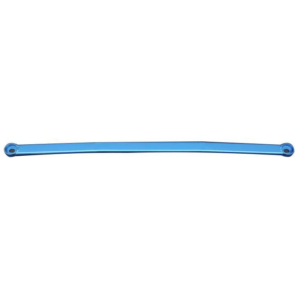
FK8 owners should look at the Cusco Front Power Brace, which ties the front subframe mounting points together to reduce flex under hard cornering.
FL5 owners should instead look at the Cusco Front Strut Tower Bar OS-Type, which addresses the FL5’s front strut tower flex specifically, a different structural point than the FK8’s power brace targets.
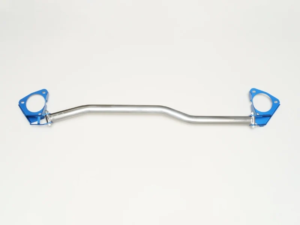
Neither part is a direct substitute for the other, and installing the wrong one is not possible since the mounting points differ between the two chassis. Confirm which generation applies before ordering either brace. Owners unsure which chassis code their car uses can check the driver’s door jamb sticker or their original build sheet, since visual differences between the two generations are not always obvious from casual inspection alone.
Owners comparing other first upgrades can read the FK8 specs guide or the FL5 first upgrades guide, since each lists parts that fit its generation specifically.
Why Track Prep Is Different From Street Modification
Most modification lists focus on how a car feels or looks during normal driving. Track prep is a different exercise entirely, identifying the specific points where sustained hard use exposes a weakness that street driving never reveals. Owners who have already read how much boost is safe on a stock car understand this same principle applied to the engine side, sustained load reveals limits that brief street use never approaches.
This list also connects directly to the reliability mindset covered in the most common Type R failures guide, since track driving is exactly the condition that turns a marginal factory part into an actual failure. Owners weighing E85 versus pump gas for track use should read that guide first, since ethanol raises fuel demand and the stock fuel system has limited headroom.
Brake pad selection matters just as much for a first track day as any part on this list, and the EBC Yellowstuff versus Bluestuff comparison covers that decision in detail. Owners cross shopping turbo upgrades in the stock versus upgraded turbo guide should address this supporting parts list first, since a bigger turbo increases the exact loads these five parts are designed to handle.
Frequently Asked Questions
Do I need all five of these parts for my first track day?
Not strictly, and only one of the two braces applies to any given car, so a typical order is four parts. The coolant tank and oil catch can are the most broadly recommended for engine protection, while the wheel spacers and chassis brace matter more depending on how aggressively the car is being driven.
Which chassis brace do I need for my Type R?
FK8 owners need the Cusco Front Power Brace. FL5 owners need the Cusco Front Strut Tower Bar. The two platforms have different front chassis mounting points, so the parts are not interchangeable.
Will the coolant tank and oil catch can work on a completely stock Type R?
Yes. Both parts address factory design limitations that exist regardless of modification level. A stock Type R benefits from both once track driving is involved.
Can I install these parts myself before my first track day?
A wheel spacer and chassis brace install are straightforward bolt on jobs. The coolant tank swap involves working on the cooling system, so allow time to refill and bleed it properly, and plan it well before the track day rather than the night before.
Do wheel spacers affect wheel bearing life?
A quality spacer designed for the specific vehicle, properly torqued, does not meaningfully affect bearing life under normal use. Track driving does increase load on wheel bearings generally, which makes periodic bearing inspection worthwhile for any track focused build regardless of spacer use.
0 Comments for “Track Day Prep: Cheap Parts Worth Having Before Your First Session”