Subaru WRX and STI platforms are known for performance, but they are just as well known for engine failures when pushed beyond their limits. Whether you are driving a Subaru WRX, Subaru STI, or even a Forester XT, understanding why engines fail is critical if you plan to modify or push for more power.
This guide breaks down the most common WRX and STI engine failures, what causes them, and how to prevent them before they turn into expensive repairs.
What Causes Engine Failures in WRX and STI?
Most Subaru engine failures are not random. They are typically the result of increased stress combined with limitations in factory components. Turbocharged engines rely heavily on proper air, fuel, and oil balance, and even small issues can escalate quickly.
As power increases, internal engine components experience higher cylinder pressure, more heat, and greater mechanical load. This is especially true when boost levels are increased beyond factory limits. Our guide on safe boost levels explains how quickly risk increases when tuning is not properly managed.
Failures usually occur when one of these factors is compromised: fuel delivery, air control, lubrication, or heat management.
Most Common WRX Engine Failures
Ringland Failure
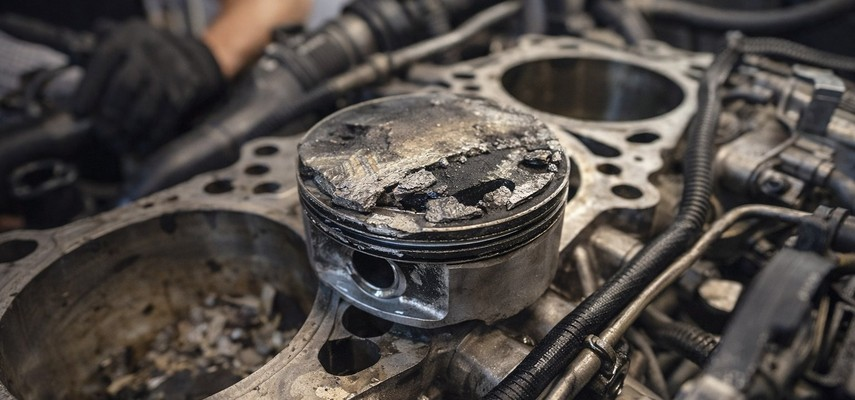
Ringland failure is one of the most common issues on EJ and FA engines. It occurs when the piston ringlands crack under excessive pressure or detonation.
This is often caused by poor tuning, running lean, or pushing too much boost without proper supporting modifications. Once the ringland fails, compression drops and the engine begins to misfire or consume oil.
Rod Bearing Failure
Rod bearing failure is typically linked to oil starvation or oil breakdown. Subaru engines rely heavily on consistent oil flow, and any interruption can cause rapid damage.
High RPM driving, aggressive cornering, or poor oil maintenance can all contribute to this issue. Once bearings begin to wear, the engine can develop knocking sounds and eventually seize.
Detonation and Knock Damage
Detonation occurs when the air-fuel mixture ignites prematurely. This creates uncontrolled pressure inside the cylinder, which can quickly damage pistons, rods, and valves.
Improper tuning is one of the main causes. If you are not familiar with how tuning affects engine behavior, our EFI tuning guide explains how fuel, timing, and boost are managed together.
Overheating
Heat is one of the biggest enemies of engine reliability. As power increases, so does heat output, and stock cooling systems can struggle to keep up.
Overheating can warp components, damage head gaskets, and accelerate oil breakdown, all of which contribute to long term engine failure.
For a complete look at cooling upgrade options for the WRX and STI platform, the WRX cooling mods guide covers radiator, intercooler, and oil cooler upgrades and when each becomes necessary as power increases. For a dedicated look at intercooler options by boost level and build stage, the best intercooler upgrades for Subaru WRX and STI covers every popular option. STI owners building around the EJ257 can find the full reliability upgrade path in the STI engine reliability upgrades guide.
Oil Starvation and Blow-By Issues
Turbocharged Subaru engines are prone to blow-by, where combustion gases enter the crankcase. This contaminates the oil and reduces its ability to lubricate internal components.
Managing crankcase pressure is critical. Solutions like air oil separators and catch cans help reduce oil contamination and improve long term reliability. You can learn more in our AOS guide, or explore available oil catch can systems designed specifically for Subaru platforms.
For a full breakdown of the top oil catch can options for the WRX and STI platform, the best oil catch cans for WRX and STI covers what to look for and which systems work best on boosted Subaru builds.
How Modifications Increase Failure Risk
Performance upgrades are often the reason WRX engines fail. Adding power without upgrading supporting systems creates imbalance.
For example, increasing boost without upgrading fuel delivery can lead to lean conditions. If you are unsure how fueling plays a role, our fuel system guide explains where limitations usually occur.
Similarly, upgrading turbos or adding aggressive tuning without proper airflow, cooling, and oil management increases the likelihood of detonation and overheating.
For owners planning a turbo upgrade, our guide on the best turbo upgrades for Subaru WRX covers the top options by power goal. For a complete breakdown of every STI turbo upgrade option by power goal, the best turbo upgrades for Subaru STI guide covers where to start and what to budget. Our guide on supporting mods for big turbo WRX builds covers everything the engine needs beyond the turbo itself to stay reliable.
For a full breakdown of what the Boost Lab TD06SL2-54X delivers on both the WRX and STI platform and whether it fits your build, the Boost Lab TD06SL2-54X guide for WRX and STI covers power numbers, fitment, and supporting mod requirements. For builds running an external wastegate setup, the Turbosmart external wastegate guide for WRX and STI covers what it does and which setup is right for your build. Before pushing past stock limits, understanding what the stock EJ257 can actually handle is critical. The stock STI power limits guide covers EJ257 limits and what breaks first. For STI owners comparing the EJ207 and EJ257 platforms, the EJ207 vs EJ257 guide covers what STI owners should know. For owners who want a complete overview of how to approach a WRX or STI build from the ground up, the Subaru WRX and STI build guide covers where to start and what to budget at every stage.
How to Prevent WRX Engine Failures
Preventing engine failure comes down to balance and planning. Instead of focusing only on power, the goal should be building a reliable system where all components work together.
Proper tuning is the foundation. A well calibrated ECU ensures safe air-fuel ratios, controlled ignition timing, and stable boost levels.
Equally important is supporting hardware. Upgrading airflow, fuel delivery, and cooling systems ensures the engine can handle increased demand without excessive stress.
Routine maintenance also plays a critical role. Regular oil changes, monitoring temperatures, and addressing small issues early can prevent major failures later.
Supporting Mods for Reliability
Several upgrades are known to significantly improve WRX engine reliability when added at the right time.
Oil management solutions like AOS systems or catch cans help reduce contamination and maintain proper lubrication. These are often considered essential for turbocharged Subaru engines.
Engine stability is another overlooked factor. Upgraded engine mounts reduce excessive movement under load, helping protect drivetrain components and maintain consistent power delivery.
Exhaust upgrades also play a role in reducing backpressure and heat buildup. A properly designed system from our exhaust upgrades can improve airflow and reduce stress on the turbo and engine.
Our guide on the best catback exhaust for Subaru WRX and STI covers the top systems for reliability-focused builds. STI owners addressing exhaust flow as part of a reliability-focused build can find the full breakdown in the Subaru STI exhaust upgrades guide, which covers downpipe, catback, and turboback options for the EJ platform.
When planning upgrades, it is important to think of the engine as a complete system rather than focusing on individual parts. Our WRX engine reliability guide covers how supporting modifications work together to keep turbocharged Subaru builds healthy long term.
When to Consider a Built Engine
There is a point where stock internal components are no longer enough. If your goals involve high boost, aggressive tuning, or significantly increased horsepower, upgrading to a built engine becomes necessary.
Understanding the difference between engine configurations is important before making that decision. Our short block vs long block guide explains the key differences and when each option makes sense.
For higher power builds, reinforced internals provide the strength needed to handle increased pressure and heat. Our IAG short block guide for WRX and STI breaks down every option and what power level each one is built for. You can also browse the full IAG short block lineup designed specifically for Subaru performance applications, or visit our WRX engine build and power goals guide to map out the full build path.
For a dedicated look at STI-specific engine failures and what built internals prevent, the most common Subaru STI engine failures guide covers the EJ257 platform in detail.
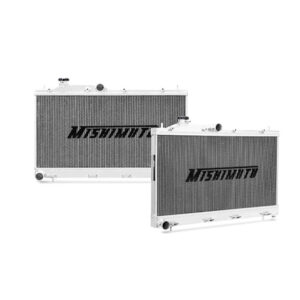
Cooling is one of the most overlooked failure prevention upgrades. The Mishimoto aluminum radiator guide for WRX and STI covers what it does and when to upgrade. For 2015 and newer WRX owners specifically, the Mishimoto aluminum radiator guide for 2015+ WRX covers what changes on that platform and when to upgrade. On the exhaust side, reducing backpressure helps the engine run cooler and more efficiently. The Invidia stainless downpipe guide for WRX covers the divorced wastegate and high flow cat explained.
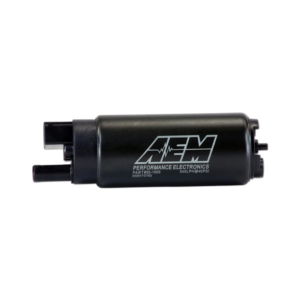
On the fuel side, for builds requiring more fuel volume than the standard drop-in pump can deliver, the AEM 340LPH 65mm fuel pump kit guide covers why serious builds skip the drop-in.
For a complete look at what the stock fuel system can handle before upgrades become necessary, the stock WRX and STI fuel system limits guide covers exactly where those limits sit. For builds requiring upgraded fuel rails, lines, and a regulator alongside injector upgrades, the COBB fuel rails, line kit, and regulator guide for STI covers what the kit includes and when it becomes necessary. For builds requiring even more fuel volume, the AEM 380LPH inline fuel pump guide for WRX and STI covers why serious builds step up to the inline pump. For owners wiring a high-flow fuel pump as part of a reliability-focused build, the fuel pump wiring kit DIY guide for WRX and STI covers what the wiring kit does and how to install it correctly.
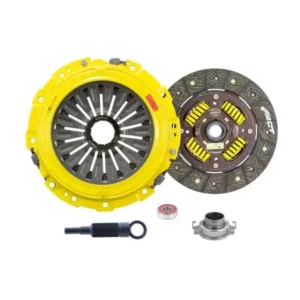
On the drivetrain side, for STI owners running the ACT HD kit, the ACT HD Street Sprung clutch kit guide for Subaru STI covers what it is and who should run it. For STI owners needing more holding capacity, the Competition Clutch STI Stage 2 guide covers when you need more than the ACT kit. For owners comparing the EJ257 to the newer FA24 platform, the EJ257 vs FA24 guide covers what Subaru owners should know.
When choosing a built engine foundation, the IAG lineup covers every power level and build goal. For entry-level street builds, the IAG 550 EJ25 short block guide for WRX and STI covers forged internals for street builds up to 550 BHP. For mid-level builds, the IAG 750 EJ25 closed deck short block guide covers what it supports and who should build it.
For serious street and track builds, the IAG 950 EJ25 closed deck short block guide covers what it supports and who should build it. For builds targeting the highest power levels, the IAG 1150 EJ25 closed deck short block guide covers whether it is the right build for your goals. For STI owners choosing between build levels, the IAG short block for Subaru STI guide covers which EJ257 build level is right for your setup.
Hardware upgrades play an equally important role in preventing failures at higher power levels. ARP head studs are one of the most critical additions for preventing head gasket failures on the EJ platform under boost. The ARP head studs guide for WRX and STI covers why they matter and which kit to run. For owners running wider wheels or tracking the car, ARP wheel studs are another worthwhile hardware upgrade at this stage. The ARP wheel studs guide for WRX and STI covers why they matter and which kit to run.
Building Reliability Into Your WRX
Engine failures are not inevitable. Most issues can be prevented with the right knowledge, proper tuning, and a balanced approach to modifications.
Instead of chasing power alone, focusing on reliability ensures your WRX or STI performs consistently over time. A well planned build not only delivers better results but also protects your investment in the long run.