

Updated October 2026
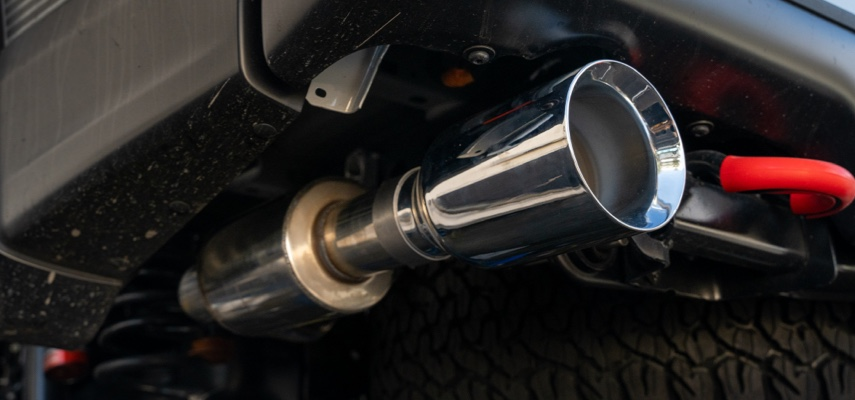
The best catback exhaust for a Subaru WRX or STI depends mostly on sound and how the car is driven: a resonated stainless steel system suits most daily drivers because it deepens the tone without highway drone, while non-resonated and titanium systems suit louder, lighter weekend and track builds. A catback adds only a small amount of power on its own. On these cars the downpipe is the exhaust part that makes the bigger gain, and it requires a tune.
The exhaust is one of the first upgrades most WRX and STI owners think about, and for good reason. It changes the sound, saves weight, and makes the car more enjoyable to drive every single day.
For Subaru WRX and Subaru STI owners looking to upgrade, a catback exhaust is where most exhaust builds start. This guide covers what to look for, what actually changes, and how to choose the right setup for your goals.
Best Catback Exhaust Types at a Glance
Most catbacks for the WRX and STI fall into a few clear types. The table below shows which type fits which kind of owner.
| Catback type | Best for | Sound | Highway drone |
|---|---|---|---|
| Resonated stainless steel | Daily drivers and commuters | Deeper than stock, refined | Low |
| Non-resonated stainless steel | Enthusiasts who want more volume | Loud and aggressive | Moderate to high |
| Titanium | Track builds and weight savings | Loud with a sharper rasp | Moderate to high |
| Axle-back (muffler section only) | Sound change on a budget | Mild to moderate | Varies |
Fitment depends on generation and body style. Many catbacks fit both the 2015 to 2021 WRX and STI sedan, while the 2022 and newer WRX and the earlier hatchbacks use different systems. Always confirm fitment for your exact model year before ordering.
What Does a Catback Exhaust Actually Do?
A catback exhaust replaces everything from the catalytic converter section back, including the midpipe, resonator if equipped, and mufflers. The factory exhaust prioritizes noise reduction and emissions compliance over performance, which leaves some flow on the table.
Replacing it with a performance catback reduces backpressure in the rear of the system. The result is a setup that flows better, sounds better, and usually weighs less than the stock exhaust. Because the catalytic converters stay in place, a catback generally does not change emissions equipment, though local noise rules still apply.
Catback vs Downpipe vs Turboback: What You Actually Need
There are three main exhaust configurations for the WRX and STI: axle-back, catback, and turboback. Each starts at a different point in the exhaust system and delivers a different level of improvement.
An axle-back only replaces the muffler section. It changes the sound but does very little for performance. A turboback replaces everything from the turbo outlet all the way back, including the downpipe, which is the most aggressive option and always requires a tune to run properly.
For most street-driven WRX and STI builds, a catback is the right starting point for sound and weight. Owners chasing power should look at the downpipe, since that is the section closest to the turbo and the one that makes the meaningful difference. The downpipe vs catback vs turboback guide breaks down which section actually makes power, and the WRX exhaust upgrades guide covers how the system works from turbo to tip.
What to Look for in a WRX or STI Catback Exhaust
Not all catbacks are built the same. A few key factors determine how a system performs and whether it fits your build.
Pipe diameter matters. A larger diameter pipe flows more at high RPM but can soften low-end response if it is too large for the engine output. For a street WRX or STI, a properly sized midpipe makes a bigger difference than simply going as large as possible.
Material affects both durability and weight. Stainless steel is the standard for performance exhaust systems because it resists corrosion and holds up to heat cycling over time. Titanium saves the most weight but costs considerably more, and mild steel costs less but does not last as long, especially in climates with road salt or moisture.
Resonated versus non-resonated is one of the most important choices for daily drivers. A resonated catback includes a resonator in the midpipe that reduces drone at cruising speeds. Non-resonated systems are louder and more aggressive but can be tiring on long highway drives. If the car sees regular commuting, resonated is usually the smarter pick.
Single versus dual or quad outlets is largely an aesthetic choice on most street builds, though dual setups can offer marginal flow benefits on higher-power applications.
How Much Power Does a Catback Add?
On a stock WRX or STI, a catback exhaust typically adds somewhere in the 5 to 15whp range depending on the system and the specific platform. That is a real improvement, but it is not the main reason to buy one.
The bigger gain comes when the exhaust is part of a broader build. Pairing a catback with an intake, a downpipe, and a proper tune lets each modification work together instead of in isolation. Our bolt-on mods guide for the FA20 WRX shows how stacking the right modifications compounds the gains. To understand what a tune actually unlocks on top of those mods, the post on what EFI tuning does for your WRX breaks it down.
STI owners looking for the full exhaust upgrade breakdown on the EJ platform can find it in the Subaru STI exhaust upgrades guide, which covers downpipe, catback, and turboback options. For those pairing exhaust upgrades with forced induction changes, the STI turbo and airflow upgrades guide covers how the full system works together on the EJ platform, and the Boost Lab TD06SL2-54X guide for WRX and STI covers fitment and what the full build needs to support it.
A catback on its own is a worthwhile upgrade. As part of a planned build, it is an essential piece of the foundation.
Will a Catback Drone? Sound on a WRX or STI
Sound is one of the main reasons people upgrade the exhaust, and it is worth thinking through before buying. The WRX and STI both have a distinctive exhaust note from the factory, and a catback amplifies and sharpens that character rather than replacing it entirely.
How aggressive the tone gets depends on muffler design, pipe diameter, and whether the system is resonated. A well-chosen catback on a daily driver should sound noticeably better under throttle without becoming obnoxious at idle or droning on the highway.
Track-focused builds can go louder and more aggressive since highway comfort is less of a concern. Street builds benefit from a system that performs well across all driving conditions, not just when the car is being driven hard.
Catback Exhaust and Supporting Mods
An exhaust upgrade works best when the rest of the build supports it. As power increases, the exhaust needs to keep up, and other systems need to handle the added load.
If a turbo upgrade is on the horizon, the exhaust choice matters more. A catback that flows well for a stock turbo may become the restriction point once you step up to a larger unit. Our turbo upgrade guide for WRX and STI explains what changes when you move beyond the stock turbo and what the rest of the drivetrain needs to keep up.
Higher power levels also put more stress on drivetrain components. Upgraded engine mounts for WRX and STI keep the engine stable under load and reduce movement when torque increases.
For builds pushing past what the stock engine can handle, the foundation matters as much as the supporting mods. Exploring IAG short blocks for WRX and STI is the right move when the build outgrows the factory bottom end.
WRX and STI Catback Exhaust FAQ
Does a catback exhaust add power on a WRX or STI?
A little. Its main effects are sound and weight savings, with a small power gain on its own. The downpipe is the exhaust section that makes the meaningful power difference on these cars.
Do I need a tune for a catback exhaust?
Usually not. Most catbacks can run on the factory calibration because they do not change the turbo side of the exhaust. A downpipe or full turboback is different and always requires a tune.
Will a catback exhaust drone on the highway?
It depends on the design. Resonated systems are built to reduce drone at cruising speeds, while non-resonated and titanium systems are louder and more likely to drone on long drives.
Does the same catback fit the WRX and STI?
Often, within the same generation. Many catbacks fit both the 2015 to 2021 WRX and STI sedan, but the 2022 and newer WRX and earlier hatchbacks need different systems. Check fitment for your exact year and body style.
Should I buy a catback or a downpipe first?
Buy a catback first for sound and a downpipe first for power. The downpipe requires a tune and can affect emissions compliance, so many daily drivers start with a catback and add a downpipe later as part of a tuned build.
Is a catback exhaust street legal?
A catback keeps the catalytic converters in place, so it generally does not affect emissions equipment. Noise limits vary by state and city, so louder non-resonated systems are worth checking against local rules.
Browse Catback Exhaust Options for WRX and STI
The right catback comes down to your build goals, how you use the car, and the sound you are after. A street-driven daily needs a different setup than a dedicated track car, and there are strong options for both. Wrench Masters Auto sells and works on Subaru WRX and STI exhaust setups at its shop in St. Petersburg, Florida, so fitment and sound questions can go straight to people who handle these cars every day.
Ready to find the right system for your build? Browse the full range of catback exhaust options for WRX and STI and find the setup that fits your goals.