
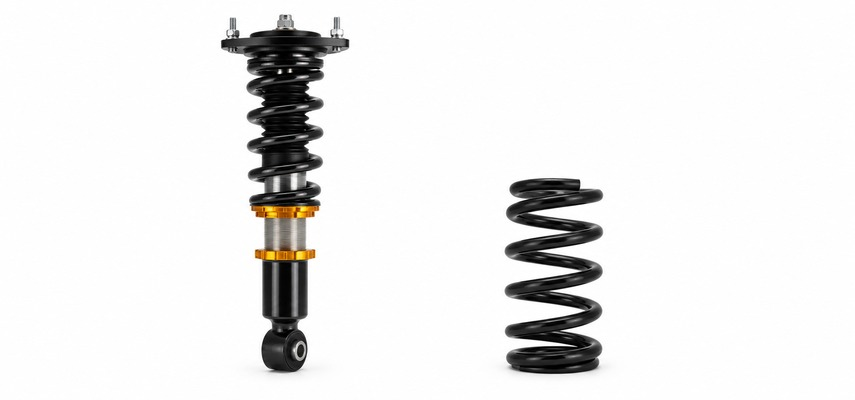
Lowering springs are the better choice for a daily-driven Civic Type R that just wants a lower stance and sharper look with minimal complication, while coilovers are the better choice for anyone planning real track use who wants adjustable ride height and damping. There is one platform-specific wrinkle that makes this decision different from most cars, both the FK8 and FL5 come with a factory Adaptive Damping System, and replacing it changes more than just ride height. Here is what actually separates the two options.
Why This Decision Is Different on a Type R Specifically
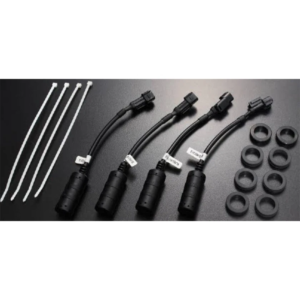
Unlike many platforms where lowering springs simply bolt onto factory struts, the Civic Type R’s factory suspension includes Adaptive Damping System, an electronically controlled damper setup that adjusts stiffness in real time based on drive mode. Lowering springs paired with the factory struts and ADS generally continue functioning normally, since the electronic system still has factory hardware to work with. Coilovers replace the factory struts and dampers entirely, which means giving up ADS unless the specific coilover kit is designed to work with it, and in many cases requires an error canceller device to stop the dashboard from throwing a warning about the now-missing factory sensor.
What Lowering Springs Actually Deliver
Lowering springs drop ride height using a shorter, stiffer spring while retaining the factory struts, dampers, and ADS functionality. This makes them the simpler, lower-complexity option, a set installs in an afternoon and delivers a noticeably lower stance and firmer ride without touching the car’s electronic systems. Drops in the 0.8 to 1.2 inch range are common, and linear-rate options exist for owners who want more predictable handling than a typical progressive-rate lowering spring provides. The tradeoff is that ride height and damping are fixed once installed, there is no adjustability without swapping parts again.
What Coilovers Actually Deliver
Coilovers combine the spring and damper into a single adjustable unit, allowing ride height, and on many kits damping stiffness, to be tuned to a specific use case rather than accepting a fixed factory or spring-only setup. This adjustability is the entire point of a coilover purchase, and forum discussion on this platform includes a genuine, ongoing debate about how many owners actually use that adjustability versus buying coilovers primarily for the option to adjust later. For a car that sees genuine track use, or an owner who wants to fine-tune the car’s behavior as tires, alignment, or driving style change over time, that adjustability delivers real value most lowering spring setups cannot match.
The ADS Compatibility Question Before Buying Coilovers
Not every coilover kit handles the ADS question the same way. Some kits are specifically engineered to retain or electronically manage ADS functionality, others simply replace the factory dampers entirely and require an error canceller to clear the resulting warning. Confirming exactly how a specific coilover kit handles this before purchasing matters more on this platform than on a car without factory adaptive damping, since the wrong assumption here means either an unexpected dashboard warning or paying for ADS compatibility a specific kit doesn’t actually include.
Genuine Forum Disagreement Worth Knowing About
This is not a settled question even among enthusiasts. Some owners argue coilovers on this platform are frequently underutilized, purchased for adjustability that rarely gets adjusted, when the factory suspension paired with lowering springs already performs well for most street and even moderate track use. Others argue that any car seeing regular, serious track time benefits enough from proper damping control that coilovers are the only real answer. Both positions come from real, experienced owners, and the right answer depends more on how the specific car actually gets driven than on which side has better talking points.
Making the Actual Decision
A daily-driven Type R focused on stance and a firmer, more direct ride with minimal added complexity is well served by lowering springs, keeping ADS intact and avoiding the coilover compatibility question entirely. A Type R with genuine, regular track ambitions, or an owner who specifically wants the ability to tune ride height and damping as needs change, is better served by coilovers, provided the specific kit’s ADS handling is understood before purchase rather than discovered afterward.
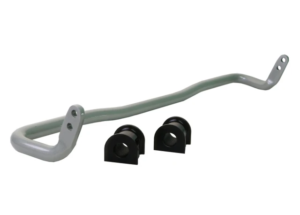
Suspension changes work alongside the rest of a handling-focused build. The post on sway bar upgrade guide for Honda Civic Type R covers a related, often complementary suspension decision, and the post on most common Honda Civic Type R failures and how to prevent them covers additional wear points worth knowing about alongside a serious handling build.
Frequently Asked Questions
Do lowering springs affect the Civic Type R’s Adaptive Damping System?
Generally no, since lowering springs pair with the factory struts and dampers, leaving ADS hardware intact and functional.
Do all coilovers require an error canceller on the Civic Type R?
Not all of them. Some kits are specifically designed to work with or manage ADS, while others replace the factory dampers entirely and require an error canceller to clear the resulting dashboard warning. This varies by specific kit and should be confirmed before purchase.
Are coilovers actually necessary for track use on this platform?
This is genuinely debated among owners. Some argue the factory suspension paired with lowering springs handles moderate track use well, while others consider coilovers necessary for serious, regular track driving. The right answer depends on how seriously and how often the car is actually tracked.
How much do lowering springs typically drop a Civic Type R?
Common drops range from about 0.8 to 1.2 inches, depending on the specific spring kit, with more aggressive options available for owners prioritizing stance over ride comfort.

0 Comments for “Coilovers vs Lowering Springs for the Honda Civic Type R, What’s Best for Your Build”