
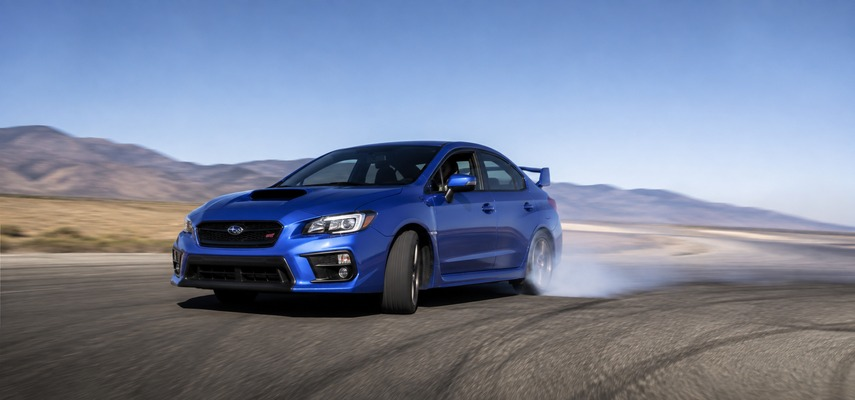
A WRX or STI that feels completely sorted on the street can run into real trouble the first time it sees a track day. Sustained hard driving pushes cooling, braking, clutch engagement, and drivetrain components far past anything street driving, even aggressive street driving, ever demands. This post covers what actually changes once track use enters the picture, which systems tend to reveal their limits first, and how to prioritize what actually needs attention before the next session.
Why Track Use Is a Different Kind of Stress
The core difference between street driving and track use is duration and repetition, not just intensity. A hard street pull lasts a few seconds before the car returns to normal load. A track session holds that same intensity, or more, continuously for minutes at a time, lap after lap, with minimal recovery in between. Components that handle a quick burst of stress just fine can fail or fade when that same stress gets sustained and repeated, which is exactly why track-specific failures often catch owners off guard even on cars that have handled hard street driving without issue.
Cooling Is Usually the First System to Show Strain
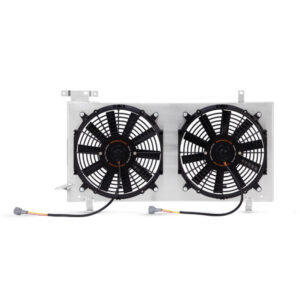
Sustained high RPM operation generates far more heat than street driving ever replicates, and this is often the first area where a track-driven car reveals a real limitation. The post on how much cooling capacity a modified WRX or STI actually needs covers exactly this scenario, and the signs that cooling has become the actual limiting factor rather than anything else in the build. A car that runs perfectly fine on the street can still see rising coolant or oil temperatures on lap four or five of a track session, well past what a quick street pull would ever expose.
Brakes Fade in a Way Street Driving Rarely Reveals
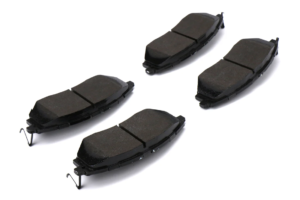
Braking on a track means repeated hard stops from high speed with minimal cooldown between corners, a scenario that street driving essentially never replicates outside of an emergency stop. The post on EBC Redstuff vs Hawk HPS 5.0, which front pad fits your WRX covers exactly this distinction, a pad built for comfort and low dust is not the same as one built to resist fade under repeated hard braking, and choosing the wrong one for track use can mean a soft, fading pedal right when stopping power matters most.
Clutch Engagement Under Repeated Hard Launches
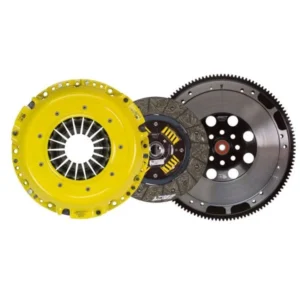
A clutch that holds up fine under normal street driving, even spirited driving, can show real wear when subjected to repeated hard launches and aggressive shifts in a track or autocross setting. The post on how much torque can a stock STI clutch actually handle covers how driving style, not just power level, determines how long a clutch actually lasts, and track use is exactly the kind of driving pattern that accelerates clutch wear regardless of how much power the car makes. For builds genuinely committed to regular track or strip use, the post on the Comp Clutch Stage 3 Segmented Ceramic Kit for Subaru STI covers the tier of clutch built specifically to handle that kind of repeated, sustained abuse.
Wheels, Studs, and Fitment Under Lateral Load
Track driving generates lateral loads that street driving simply does not produce with any regularity, and wheel and stud considerations that are cosmetic on the street become genuine safety questions on track. The post on do aftermarket wheel studs actually matter, what they change covers why many tracks specifically require studs long enough to pass through an open-ended lug nut, a requirement that has nothing to do with street driving and everything to do with the sustained lateral loads a track session actually produces.
Boost Control and Turbo Behavior Under Sustained Load
A boost control system that behaves fine on the street can reveal real inconsistency once boost gets held at a sustained, repeated level rather than in short bursts. The post on the COBB 3-Port Boost Control Solenoid for WRX and STI covers how factory boost control systems struggle to hold a stable target under exactly this kind of repeated, sustained demand. Turbo components face a related challenge, and the post on does an aftermarket blow off valve actually change how your turbo performs covers how repeated compressor surge cycles, far more common in track driving with its constant throttle transitions, accelerate turbo wear in a way infrequent street shifting rarely does.
Engine and Drivetrain Movement Compounds Under Repeated Load
Engine and transmission mount movement, discussed in the post on what engine and drivetrain movement actually costs you under power, matters more on track for the same reason everything else on this list matters more, repetition. A single hard launch barely stresses a factory mount. A full session of repeated hard launches and shifts compounds that stress significantly, which is part of why track-focused builds tend to prioritize mount stiffness earlier than a purely street-driven car would.
Suspension and Alignment Under Sustained Cornering Load
Cornering loads sustained through a full track session put suspension components and alignment settings under stress that street driving, with its occasional spirited corner, does not replicate. The post on coilovers vs lowering springs, what’s best for your WRX covers a foundational decision point here, since a track-driven car benefits far more from the adjustability and damping control coilovers provide than a street-focused build typically needs.
Tire Pressure Is a Zero-Cost Detail Worth Getting Right
Tire condition and pressure management deserve mention here too, even though they fall outside a typical parts upgrade discussion. Street tire compounds and pressures are tuned for everyday grip and wear characteristics, not sustained high-speed cornering loads. Tire pressures that feel correct for street driving often run too low once heat builds up over a full track session, leading to excessive sidewall flex and inconsistent handling right when precision matters most. This is a zero-cost adjustment most owners overlook simply because it never comes up in a normal street driving context.
Building Up Intensity Gradually Reveals Problems Sooner
There is also a mental shift worth acknowledging alongside the mechanical one. A car that has never seen sustained hard use rewards a more conservative approach on a first track outing, building up intensity gradually across a session rather than pushing every system to its limit immediately. This approach doubles as a diagnostic tool, since a gradual buildup makes it much easier to notice exactly when and where a specific system starts showing strain, rather than discovering multiple problems simultaneously after pushing everything hard from the first lap.
Building a Track-Ready Priority List
Not every system needs to be addressed before a first track day, and upgrading everything preemptively wastes money on problems that may never actually show up on a given car. The smarter approach is watching for the specific symptoms each system produces under track conditions, rising temperatures, fading brake pedal, clutch slip, boost inconsistency, and addressing whichever one shows up first rather than assuming the whole car needs a simultaneous overhaul. The WRX turbo and airflow upgrades hub and STI turbo and airflow upgrades hub both cover how these systems fit together as a build progresses from street-focused to track-capable.
Frequently Asked Questions
What usually fails first when a street-driven WRX or STI goes to the track?
Cooling and brakes tend to show strain earliest, since both face sustained, repeated stress that street driving almost never replicates, even during aggressive driving.
Do I need to upgrade everything before my first track day?
Not necessarily. Watching for specific symptoms, rising temperatures, fading brakes, clutch slip, and addressing whichever system shows strain first is usually smarter than a full preemptive overhaul.
Does track use wear out a clutch faster than street driving at the same power level?
Yes, generally. Repeated hard launches and aggressive shifts common in track and autocross use accelerate clutch wear more than typical street driving, even spirited street driving, at the same power level.
Why do some tracks require specific wheel stud lengths?
Sustained lateral loads on track make thread engagement a genuine safety concern rather than a cosmetic detail, which is why some tracks require studs long enough to pass through an open-ended lug nut for visual verification.
Does tire pressure actually matter that much between street and track driving?
Yes. Pressures tuned for street driving often run too low once heat builds up over a sustained track session, leading to excessive sidewall flex and less predictable handling.


0 Comments for “How Much Does Track Use Actually Change What Your WRX or STI Needs”