STI Engine Reliability & Supporting Mods
Engine reliability on a Subaru STI comes down to building a setup that can handle boost, heat, and stress over time, not just making power on a fragile foundation.
FREE SHIPPING ON ALL ORDERS OVER $199

For most STI owners, reliability becomes the real conversation after the first performance upgrades go on. Power is easy to add on an EJ257. Getting it to hold up under repeated hard use is where the build either succeeds or starts showing its cracks.
The EJ257 has well-documented failure points under boost. The open deck block architecture limits how much cylinder pressure the engine can handle before head gasket failures and cylinder wall distortion become a real risk. But the short block is only part of the picture. Crankcase pressure management, drivetrain stability, oil control, and supporting mod coordination all affect how well the engine holds up as power climbs.
That is what makes reliability more than one part. It is the result of choosing upgrades that work together as a system, from oil control and ventilation to engine stability and internal strength. On stock or lightly modified STI builds, that may mean addressing known weak points before they become expensive problems. On higher power builds, it means planning around the reality that the EJ257 has real limits under boost and building around those limits rather than against them.
The goal is not only to make more power. It is to build a STI that holds up under repeated use, responds more consistently, and supports a long-term build direction.
(Daily Driver / Mild Bolt-On Setup)
Stock or lightly modified EJ257
Focus on prevention and consistency
Addresses known EJ257 weak points
Smooth daily drivability
Foundation before power upgrades
(Tuned / Street Performance)
Designed for higher boost and load
Improves engine stability and control
Better crankcase ventilation
Supports consistent performance
Built for balanced street builds
(High Power / Long-Term Builds)
Closed deck short block required
Handles higher boost and cylinder pressure
Designed for big turbo EJ257 setups
Improved long-term durability
Built around serious power goals
Engine reliability on the EJ257 is often treated like a vague idea, but on a boosted Subaru it comes down to how well the entire system handles stress. That includes heat, oil control, crankcase pressure, airflow demand, fueling stability, and the physical movement of the drivetrain under load.
A reliable setup is not simply one that makes less power. It is one where the supporting parts match what the engine is being asked to do. Issues on modified STI builds almost always trace back to one of two things: a supporting system that was not upgraded to match the added stress, or an engine pushed past the structural limits of its factory architecture.
The EJ257 open deck design is the most well-known reliability concern. Under sustained high boost, the unsupported cylinder walls allow head gaskets to fail and cylinders to distort. Addressing this means either running conservative boost to stay within the factory architecture’s limits, or building around a closed deck short block that eliminates the structural weakness entirely.
Beyond the bottom end, reliability on a modified STI also means managing crankcase pressure properly through an AOS or oil catch can system, stabilizing the drivetrain against the torque spikes that come with increased power, and ensuring the tuning and fueling are matched to the boost strategy being run. Our most common WRX engine failures guide and AOS guide cover how each of these failure points develops and how to address them correctly.
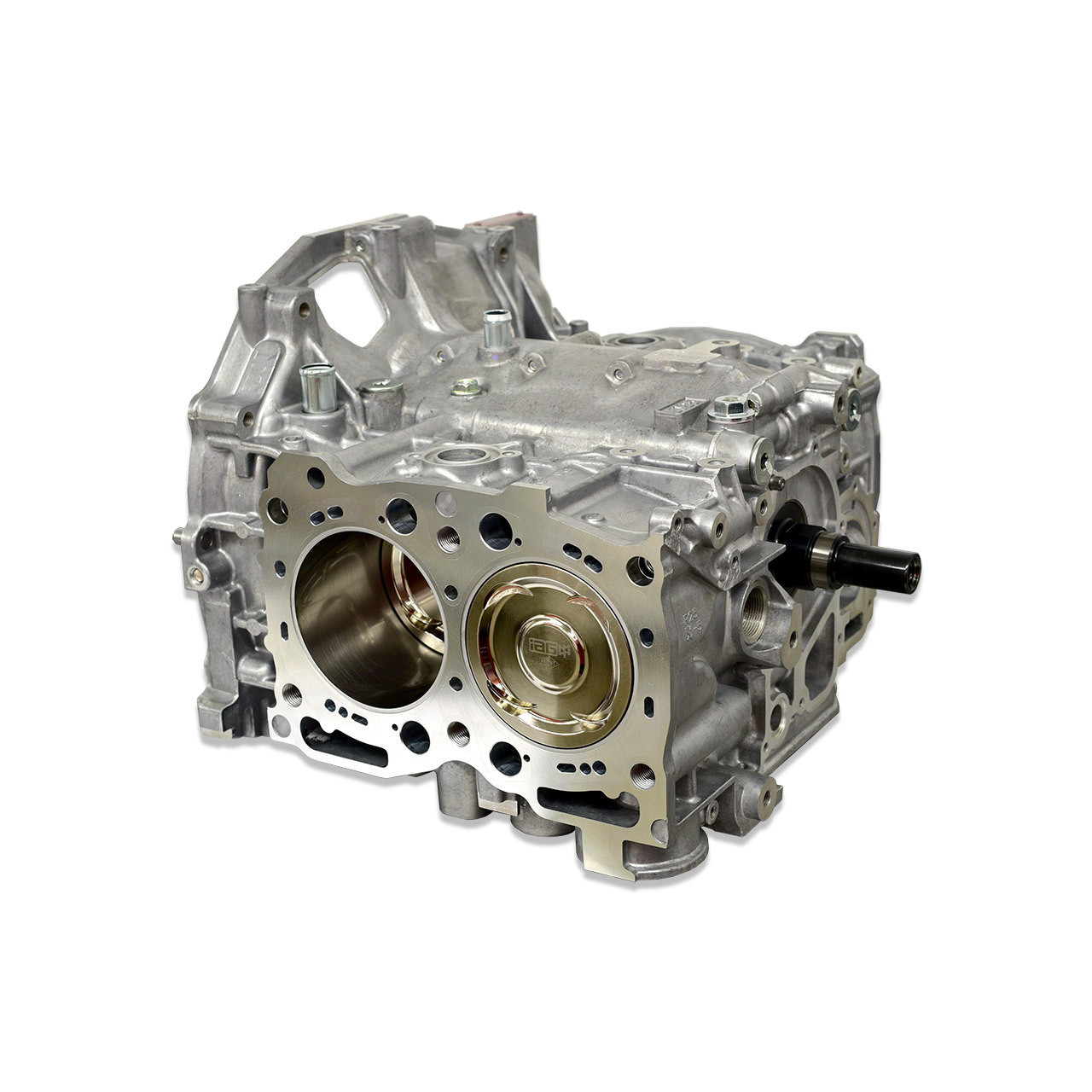
IAG 950 EJ25 Closed Deck Short Block for WRX, STI, Legacy GT and Forester XT
For STI owners who want a stronger engine foundation without the most extreme specification, the IAG 950 Closed Deck Short Block is the right balance of reliability and performance capability. It addresses the core structural weakness of the factory EJ257 open deck design and provides a foundation capable of supporting 400 to 700 wheel horsepower builds without the cylinder wall distortion and head gasket failures that limit stock bottom ends under pressure.
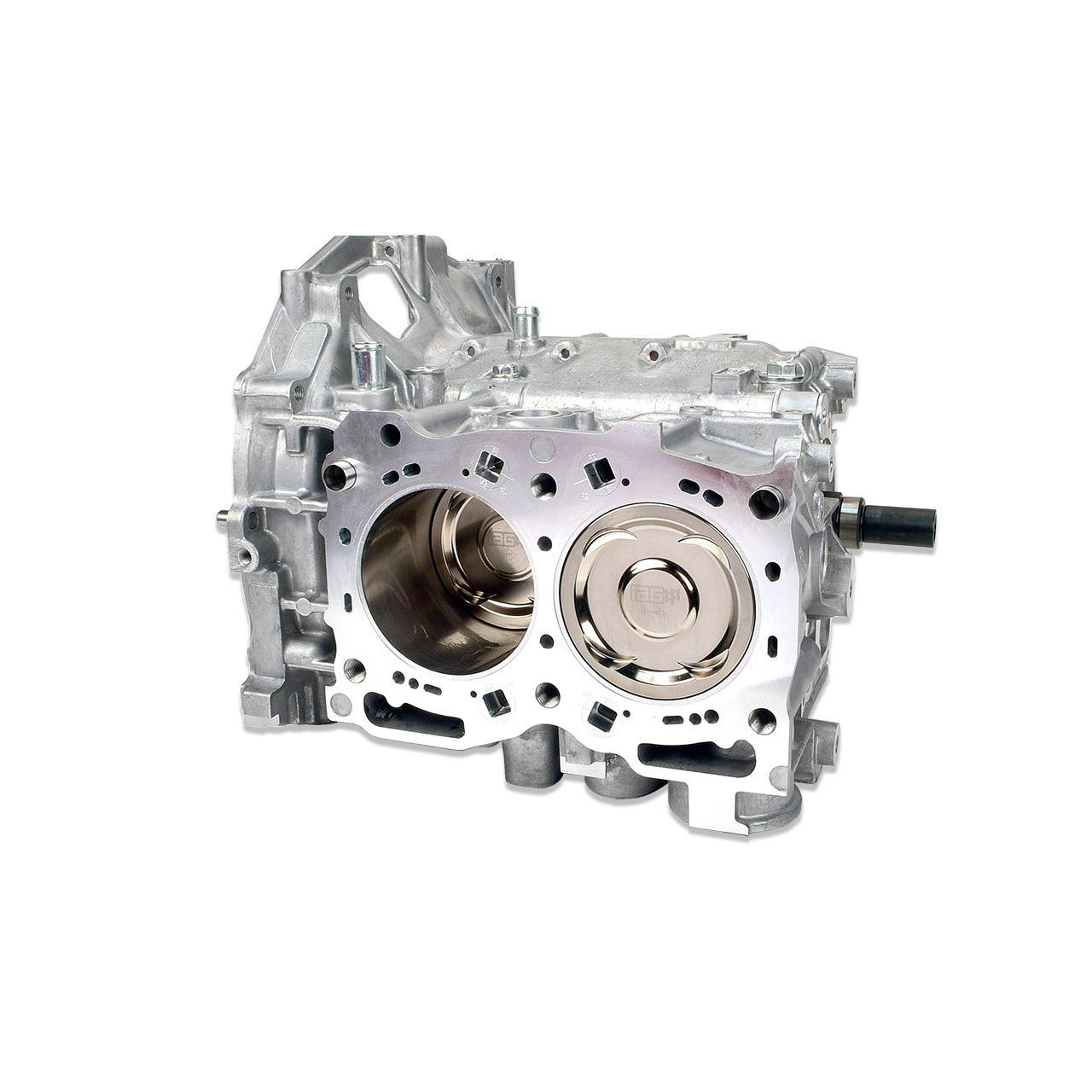
IAG 1150 Closed Deck Short Block for WRX, STI, Legacy GT and Forester XT
For STI owners building toward serious power goals where the factory EJ257 architecture is no longer the right foundation, the IAG 1150 Closed Deck Short Block is the correct long-term reliability solution. It is designed for builds where boost, cylinder pressure, and power goals demand a short block built to handle substantially more than the open deck factory bottom end was ever meant to support.
STI and WRX models do not all share the same engine architecture, and the reliability concerns that matter most depend heavily on which platform you are working with and how far the build has been pushed.
EJ-powered Subaru STI models through 2021 have well-documented reliability failure points under boost. The open deck EJ257 architecture is the primary concern on modified STI builds, and the aftermarket response is mature: closed deck short blocks, ARP head studs, fire-lock gaskets, and AOS systems are all widely available with proven fitment for this platform. On harder-driven or higher-boosted STI builds, addressing these failure points proactively is far less expensive than replacing an engine after the fact.

FA20-powered Subaru WRX models from 2015 to 2021 benefit from a careful supporting mod strategy as power climbs. Even when the engine remains stock internally, stability from proper tuning, crankcase ventilation, and drivetrain control makes a meaningful difference in long-term consistency.
Other Subaru turbo platforms including the Forester XT, Legacy GT, and Impreza share EJ-based reliability logic with the STI, though specific failure points and supporting mod priorities vary by platform and build level.
Reliability improves when the supporting systems match the added stress. On the EJ257, that means proper tuning, effective crankcase ventilation through an AOS or oil catch can, stabilized drivetrain with upgraded engine mounts, and being realistic about when the open deck factory short block is no longer the right foundation. Our most common WRX engine failures guide covers the specific failure points to address on EJ-based builds.
Once power goals push consistently beyond 380 to 400 wheel horsepower on sustained hard use, the factory EJ257 open deck architecture starts to show its structural limits under elevated boost and cylinder pressure. At that point a closed deck short block is the correct reliability move, not just a performance upgrade. The IAG 950 and IAG 1150 are both purpose-built solutions for this platform. Our IAG short block power limits guide covers what each option supports.
Yes, especially on builds running elevated boost or being driven hard regularly. The EJ257 generates significant crankcase pressure under boost, which carries oil vapor into the intake system. Over time this reduces effective octane, causes carbon buildup, and can introduce oil into the combustion process. IAG AOS and oil catch can systems manage this proactively. Our AOS guide explains when it becomes a priority.
Yes. As torque rises on a modified EJ257, excess drivetrain movement under load adds stress across the powertrain and works against the consistency a properly tuned setup is designed to deliver. Upgrading engine mounts for WRX and STI stabilizes the drivetrain and reduces that movement, especially on builds running a more aggressive tune or higher boost. Our engine mount upgrades guide covers the options for this platform.
Both use closed deck EJ25 architecture and IAG Fire-Lock sealing technology, which eliminates the primary structural weakness of the factory open deck design. The IAG 950 is rated to 950 brake horsepower and is the right foundation for builds targeting 400 to 700 wheel horsepower. The IAG 1150 steps up the internal specification for builds pushing beyond 700 wheel horsepower, with a higher-rated component set matched to more extreme power goals. Our short block vs long block guide helps clarify when each option makes sense.
Yes. Supporting mods and a built engine work as a system, not separately. Installing a closed deck short block without addressing crankcase ventilation, engine mounts, fueling, and proper tuning means the new foundation is still being let down by the systems around it. The short block sets the ceiling. Everything else needs to be built to support what it is capable of. Our STI engine build and power goals guide covers how to plan the full build correctly.
Engine reliability on the EJ257 improves when the rest of the setup can manage the added load that comes with tuning, boost, and harder driving. The smartest reliability upgrades are rarely one single part. They are a coordinated set of supporting mods that address the failure points the EJ257 is actually known for.
Managing crankcase pressure is one of the most important reliability steps on any modified STI. The IAG AOS for 2008 to 2021 STI is the most established solution for this platform, and IAG oil catch can and AOS systems more broadly address the crankcase pressure issue that affects EJ257 builds running elevated boost on a regular basis.
Stabilizing the drivetrain with engine mounts for WRX and STI reduces unwanted movement under load and keeps the setup consistent, especially as the tune becomes more aggressive and torque output rises on the EJ257.
Tuning and fueling need to match the stress level being placed on the engine. A conservative tune on a mildly modified STI is one of the most effective reliability tools available. As power climbs, ensuring the fuel system can support the boost strategy without running lean is critical. Our fuel pumps vs injectors guide covers how fueling connects to engine longevity on the EJ257.
For builds where power goals have moved beyond what the factory short block can safely support, IAG short blocks for WRX and STI provide the closed deck foundation that eliminates the primary structural failure point of the open deck EJ257. Our STI engine build and power goals guide covers how to plan that transition correctly.
The exhaust path also plays a role in reliability. Proper exhaust flow reduces back pressure and heat buildup in the turbo system, which affects how hard the engine has to work under sustained boost. Our best catback exhaust guide covers how exhaust upgrades connect to the overall health of the EJ257 forced induction system.
These upgrades work best when they are chosen as part of one complete reliability strategy, not as isolated decisions added one at a time after problems appear.
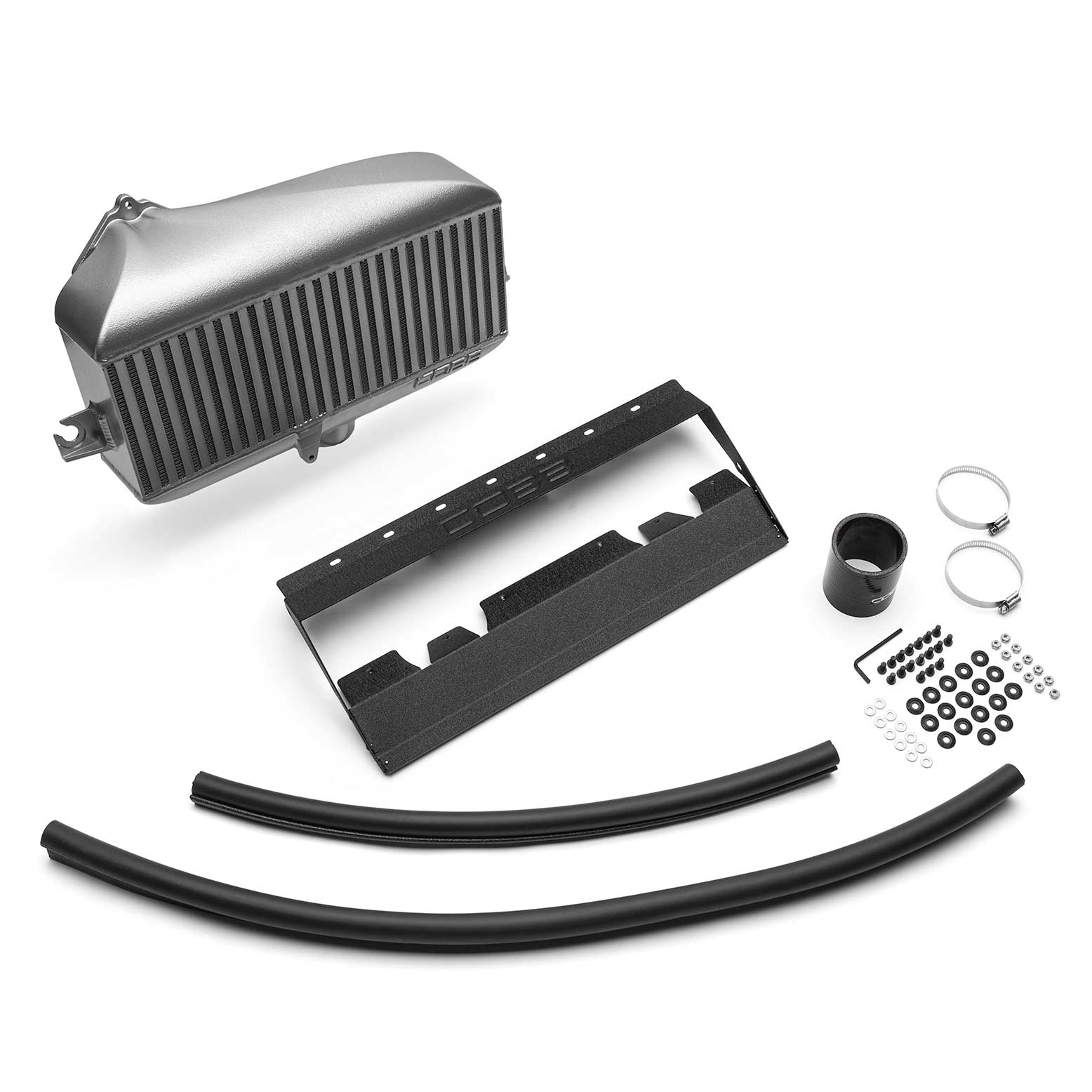
Wrench Masters focuses on Subaru performance platforms and the components that need to work together for a build to stay consistent and keep making power safely over time.
Instead of guessing between random reliability upgrades, you can build around combinations that match your EJ257 platform, power goals, and long-term reliability expectations, whether that means preventive supporting mods on a street-driven STI or a stronger closed deck short block foundation for a high-power build.
From daily-driven STI setups to serious track builds, the goal is the same: choose parts that support crankcase ventilation, drivetrain control, and engine durability in a way that works together as a system.
The result is not just a faster car, but a better-planned STI build with stronger long-term potential at every power level.
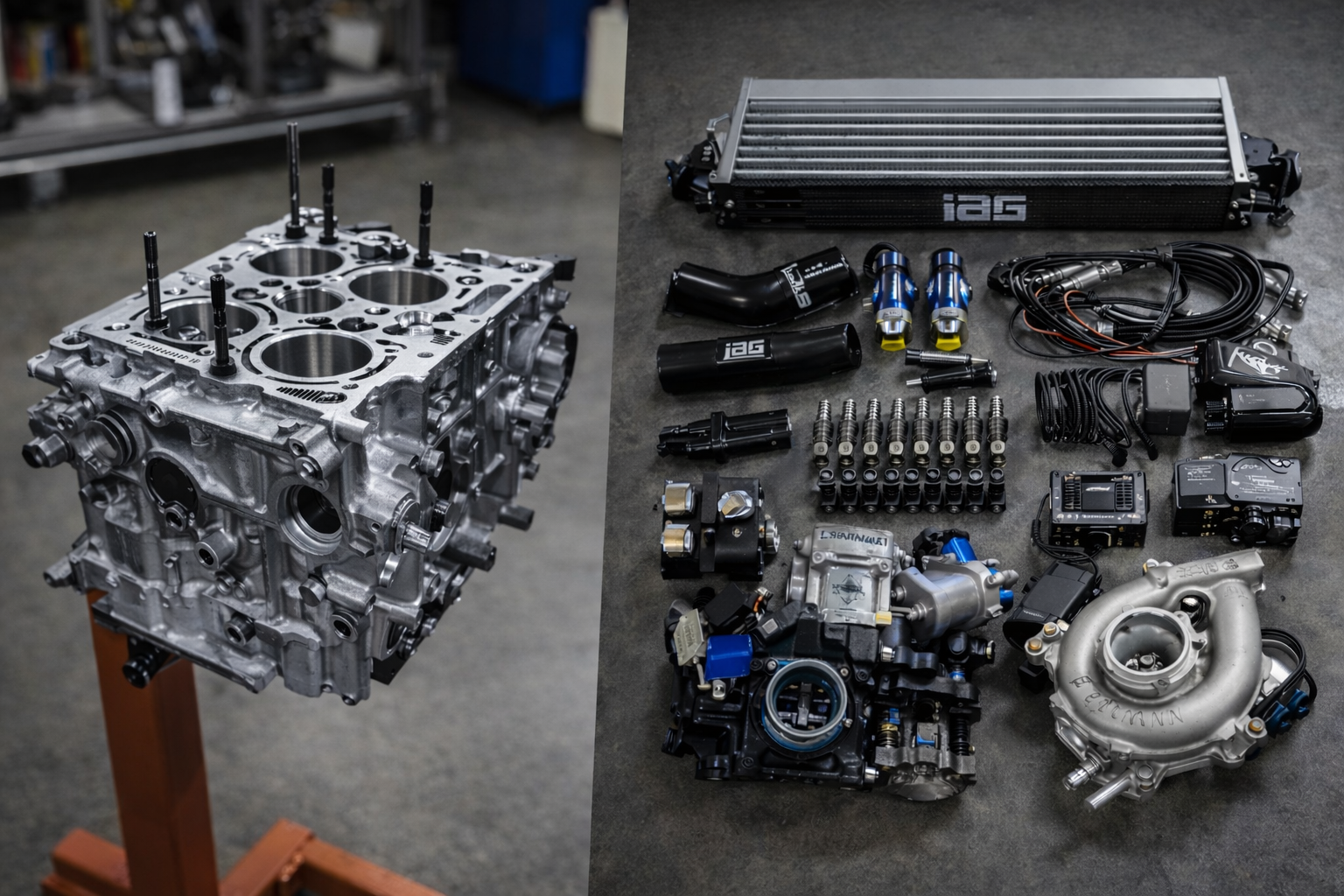
Engine Reliability & Build Guides
If you are planning a STI reliability upgrade or a broader performance build, these guides explain how supporting mods connect to long-term engine health on the EJ257:
Related STI Performance Components
Stabilizing the drivetrain with engine mounts for WRX and STI, managing crankcase pressure through IAG AOS and catch can systems, and building around a stronger foundation with IAG short blocks for WRX and STI all support a more complete and consistent STI build at every power level.
For the full STI upgrade picture, the Subaru STI performance upgrades guide connects every stage of the build from bolt-ons through to high-power engine builds.