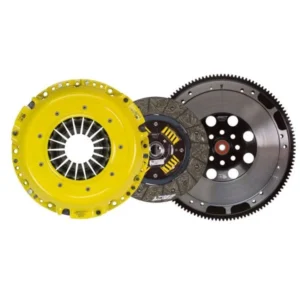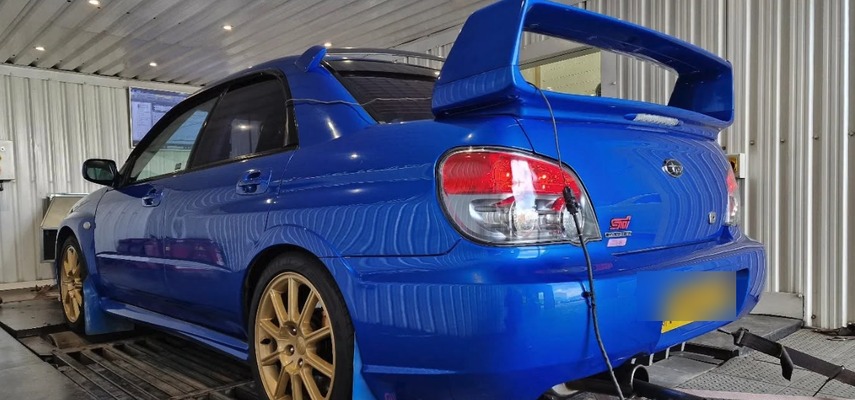
Most STI builds never need to look past a Stage 1 or Stage 2 clutch. Once a build pushes into serious power territory, particularly with track or strip use in the mix, those lower stages start running out of margin. The Competition Clutch Stage 3 Segmented Ceramic Clutch Kit exists for that specific point in a build, and this post covers what actually separates it from the lower stages, who it genuinely makes sense for, and what to expect once it is installed.
What This Clutch Is Actually Built For
The Stage 3 kit uses a segmented ceramic disc paired with a performance pressure plate, rated to handle up to 500 ft-lbs of torque, roughly a 150 percent increase in capacity over a stock clutch. That is a significant jump over a Stage 1 or Stage 2 setup, and it comes with a real tradeoff, ceramic facings engage more aggressively than the organic or semi-metallic materials used in lower stages, which means firmer pedal feel and less forgiving engagement at low RPM. The post on best clutch upgrades for Subaru WRX and STI covers where this stage sits relative to the full range of options on the platform.
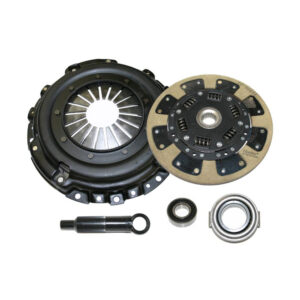
Segmented Ceramic vs Full Face Ceramic
The segmented design spaces ceramic pucks around the disc rather than using a full ceramic face, which helps manage heat buildup during hard, repeated engagement better than a full face design does. This matters specifically for track and strip use, where a clutch gets cycled hard and repeatedly in a way street driving rarely replicates. The tradeoff is engagement feel, segmented ceramic clutches are known for a more abrupt bite point compared to organic or even full face ceramic options, which is part of why this tier is generally recommended for cars built specifically for track or strip use rather than a daily driver. The post on OEM vs performance clutches, what actually changes covers this engagement tradeoff in more depth across the full range of clutch materials, not just this one tier.
Why Heat Management Matters More at This Level
Every clutch generates heat during engagement, but a car cycling through a launch, repeated hard shifts, or extended slipping during a track session generates far more heat than normal street driving ever does. A clutch that cannot dissipate that heat effectively will fade, losing holding capacity right when it matters most, or glaze over and lose bite entirely. The segmented ceramic design directly addresses this by giving heat somewhere to escape between the ceramic pucks rather than trapping it across a continuous friction surface, which is a big part of why this material shows up specifically in kits built for repeated hard use rather than daily commuting.
Is This the Right Clutch for a Street-Driven STI?
This is worth being direct about. A Stage 3 segmented ceramic clutch is overkill for most street-driven builds, even ones making solid power. The firm engagement and aggressive bite that make it excellent on a track or at the strip translate to a less pleasant daily driving experience, more pedal effort, less smooth low-speed engagement, and a clutch that does not forgive an imprecise launch the way a lower stage does. For a build that is fast but still primarily street-driven, the post on the perfect street Subaru STI build covers a more realistic upgrade path, and a Stage 2 setup is usually the better real-world choice in that context. For builds genuinely pushing toward or past the 400 to 500 ft-lb range, the post on a reliable 400 horsepower EJ257 STI build covers what a build actually making that kind of power looks like, and where a clutch this aggressive earns its place.
What’s Included and What’s Not
The kit includes the pressure plate, the segmented ceramic disc, applicable bearings, and an alignment tool. The flywheel is not included, so anyone without an already upgraded flywheel needs to factor that into the build separately. A 300 mile break-in period is recommended after installation, during which engagement may feel different than it will once the clutch is fully seated.
Living With a Stage 3 Clutch Day to Day
Anyone moving up to this stage should expect a real adjustment period, not just during break-in but in how the car needs to be driven going forward. Low speed maneuvers like parking lot driving or stop and go traffic require more deliberate clutch control than a stock or Stage 1 setup demands. Passengers unfamiliar with an aggressive clutch often notice the difference immediately, even on a smooth takeoff. None of this makes the clutch a bad choice for the builds it is actually meant for, but it is worth setting expectations honestly before committing to this tier over something less aggressive.
Where This Fits in a Drivetrain Build
A clutch upgrade this aggressive is rarely installed in isolation. Builds pushing into this torque range typically already have supporting fuel system and turbo upgrades in place, and the post on supporting mods required for big turbo WRX builds covers how a clutch this capable fits alongside the rest of a serious build. The STI engine build and power goals hub covers that same sequencing question specifically for the STI platform.
The transmission itself is also worth a look at this power level. The post on do you need a built transmission for your WRX or STI covers when the gearbox behind the clutch also needs attention, which becomes a more relevant question once a build is running a clutch rated this high. For the shift linkage side of a tightened up drivetrain, the post on the COBB 6-Speed Shifter Bushing for Subaru STI covers a related upgrade that often gets addressed around the same time, and cooling tends to matter more at this power level too, covered in the post on how much cooling capacity a modified WRX or STI actually needs.
Frequently Asked Questions
Is a Stage 3 clutch a good choice for a daily driven STI?
Generally not. The firm engagement and aggressive bite that make it effective for track and strip use tend to make daily driving less pleasant compared to a Stage 1 or Stage 2 clutch.
Does this kit include a flywheel?
No. The flywheel is sold separately, so anyone without an already upgraded flywheel needs to account for that as part of the total build cost.
How much torque can this clutch actually handle?
It is rated for up to 500 ft-lbs, roughly a 150 percent increase over a stock clutch’s capacity, though real-world holding capacity depends on installation quality and how the car is driven.
How long is the break-in period for this clutch?
Competition Clutch recommends a 300 mile break-in period, during which engagement feel may differ from how the clutch performs once fully seated.
Will this clutch feel different in stop and go traffic compared to stock?
Yes, noticeably. Low speed engagement requires more deliberate clutch control than a stock or Stage 1 clutch, and this is one of the bigger adjustments drivers face when moving up to this stage.