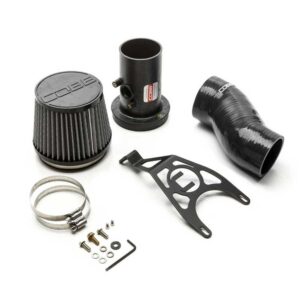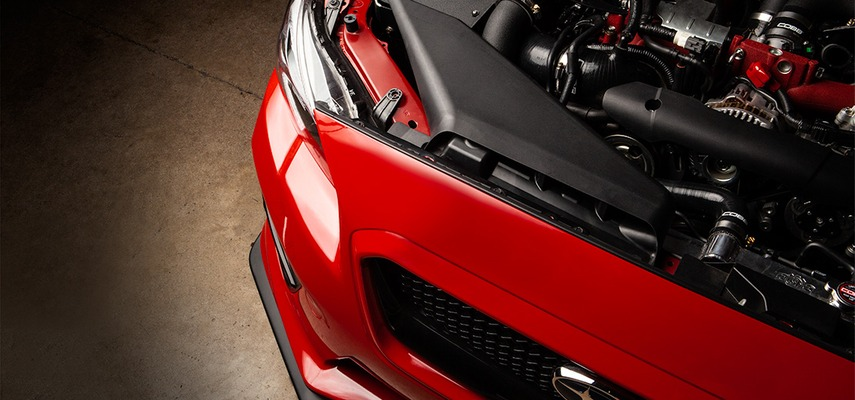
Short ram intakes and cold air intakes each solve a different problem, and each creates a tradeoff the other one does not have. A short ram intake sits closer to the engine bay, sacrificing some cold air benefit for simpler, more reliable installation. A traditional cold air intake pulls in cooler air from outside the engine bay, but many in-fender designs open the door to water ingestion in wet conditions. The COBB Airbox exists to close that gap on the 2019 and newer Subaru STI platform, and this post covers how it works, what it requires, and where it fits into a broader intake decision.
What This Product Actually Is
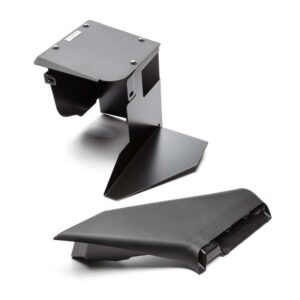
This is important to understand before buying it. The COBB Airbox is not a standalone intake system, it is an enclosure built to pair with an already-installed COBB SF Intake. The airbox uses the factory air snorkel to feed cold air from behind the front grille directly into the enclosed SF Intake, converting what is otherwise a short ram setup into something that performs closer to a true cold air intake, without the water ingestion issues that affect many in-fender cold air designs.
Why Water Ingestion Is a Real Concern in the First Place
Traditional in-fender cold air intakes route air through the wheel well area to reach cooler ambient temperatures, but that same routing puts the intake filter closer to standing water, road spray, and heavy rain exposure than a short ram or enclosed design ever sees. A filter that ingests water even occasionally risks hydrolock or long term filter media damage, both of which are far more serious than the modest airflow tradeoff of a short ram setup. The COBB Airbox sidesteps this entirely by keeping the SF Intake enclosed and fed through the factory snorkel rather than an open wheel well path, which is the actual engineering reason this setup exists rather than being purely a horsepower play.
How It Actually Works
The airbox encloses the SF Intake completely, physically separating it from the hot air naturally present in the engine bay. Hot engine bay air is one of the main reasons short ram intakes underperform cold air intakes on paper, since warmer intake air is less dense and reduces the effective airflow benefit of an otherwise well designed intake. By sealing the SF Intake inside the airbox and feeding it exclusively through the factory snorkel, the setup captures the cooler, denser air a true cold air intake targets while keeping the simpler mounting and reliability of a short ram design.
The enclosure itself is built from 16 gauge aluminum in a one piece surround with a directional lid, finished with stainless steel hardware for a fit and finish that matches OEM quality rather than looking like an aftermarket add-on.
What’s Required for This to Fit Correctly
Installing this airbox on a 2019-2020 STI or the 2018 STI Type RA requires a new Subaru OEM air duct, which routes fresh air from behind the grille into the airbox itself. This duct is not something already present on those specific model years and must be added as part of the install for the system to function as intended. Anyone installing this airbox should confirm the correct OEM duct is on hand before starting, since attempting the install without it leaves the airbox without its intended air source.
The SF Intake itself is the other half of this equation. For anyone starting from scratch rather than adding the airbox to an already-installed intake, the COBB SF Intake System is the companion product this airbox is designed around, and the two are typically purchased and installed together for anyone building the setup new rather than adding the airbox as a later upgrade.
Tuning Requirements
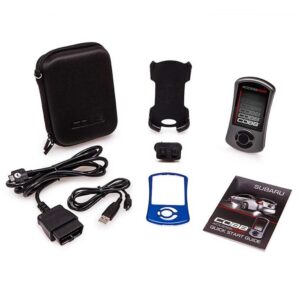
Like most intake modifications on this platform, running this airbox setup requires a tune calibrated for the change in airflow characteristics. COBB offers off-the-shelf maps through the Accessport specifically built around the SF Intake and airbox combination, which simplifies the process considerably compared to needing a custom tune from the start. The post on COBB Accessport for WRX and STI, what it does and is it worth it covers how the Accessport handles this kind of tuning requirement.
Common Mistakes With This Kind of Intake Setup
The most common issue is installing the airbox without confirming the OEM air duct is on hand first, which leaves the airbox unable to draw air correctly from the intended source. A second common mistake is running the SF Intake and airbox combination without updating the tune, which leaves real performance on the table and can introduce drivability issues the off-the-shelf map is specifically calibrated to avoid. Skipping a post-install check of the airbox lid seal is a smaller but still worthwhile step, since a poor seal at the lid undermines the entire point of enclosing the intake in the first place.
Where This Fits in an Intake Decision
Choosing between a short ram intake, a cold air intake, or a combination setup like this one depends heavily on how the car is driven and what climate it deals with regularly. The post on WRX intake upgrades, cold air vs short ram covers that broader tradeoff in more depth, and the post on best air intake upgrades for Subaru WRX and STI covers where a setup like this ranks against other intake options on the platform.
The STI turbo and airflow upgrades hub covers how intake decisions like this one fit alongside turbo and boost related upgrades on the current-generation STI platform.
Frequently Asked Questions
Do I need to already own the COBB SF Intake to use this airbox?
Yes. This airbox is built to enclose and feed an already-installed SF Intake. It is not a standalone intake system on its own.
Does this airbox fit the WRX?
No. This specific airbox is built for the 2019-2021 Subaru STI and the 2018 STI Type RA. It does not cover the WRX platform.
Do I need a new OEM part to install this airbox?
Yes, a new Subaru OEM air duct is required to feed fresh air into the airbox on the 2019-2020 STI and 2018 Type RA. This is not something already present on those model years.
Does this setup require a tune?
Yes. COBB offers off-the-shelf maps through the Accessport built specifically for this airbox and SF Intake combination, which covers the tuning requirement without needing a custom tune.
What actually solves the water ingestion problem other cold air intakes have?
Keeping the SF Intake enclosed and fed exclusively through the factory snorkel, rather than an open wheel well path, is what avoids the water exposure that in-fender cold air intakes are prone to during heavy rain or standing water.