
Select Your Vehicle:
Browse & shop Oil Catch Cans & Air Oil Separators for your car or truck.
Oil catch cans and air oil separators (AOS) are designed to reduce oil vapor buildup in the intake system by separating oil from crankcase gases before they are recirculated. These systems are especially beneficial for turbocharged Subaru engines, where blow-by and oil contamination can impact performance, reliability, and long-term engine health.
Upgraded oil control solutions are commonly used on Subaru WRX and STI platforms to help keep intake components cleaner, reduce carbon buildup, and support consistent performance in both street-driven and high-performance applications.
-
 Select options
This product has multiple variants. The options may be chosen on the product page
Select options
This product has multiple variants. The options may be chosen on the product page
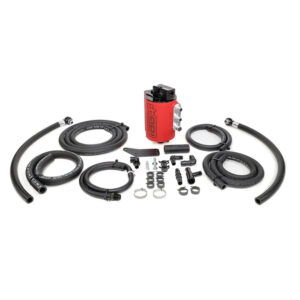
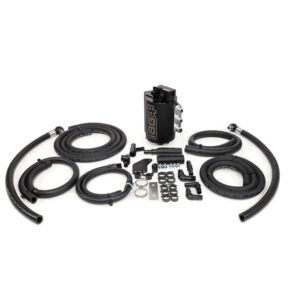
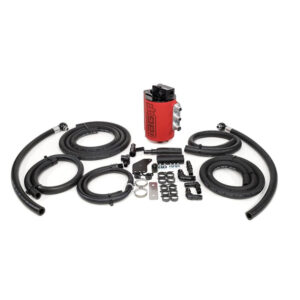
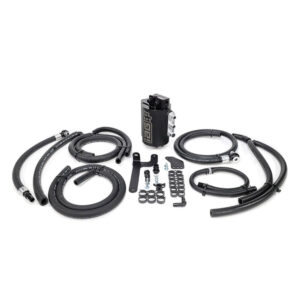
IAG Air / Oil Separator (AOS) Fits 2002-07 Subaru Impreza WRX, 2004-07 STI, 2004-08 FXT
$499.99BlackNeon YellowRed -
Select options
This product has multiple variants. The options may be chosen on the product page
IAG Air / Oil Separator (AOS) For 08-14 Subaru WRX, 08-21 STI, 09-13 FXT, 05-09 LGT & OBXT
$499.99BlackNeon YellowRed -
Select options
This product has multiple variants. The options may be chosen on the product page
-
Select options
This product has multiple variants. The options may be chosen on the product page
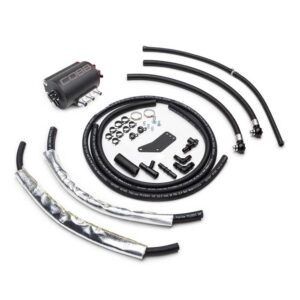
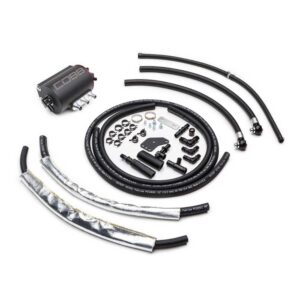
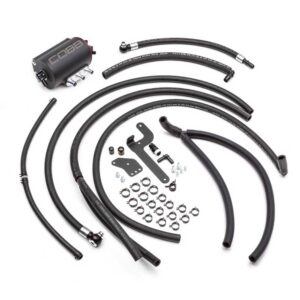
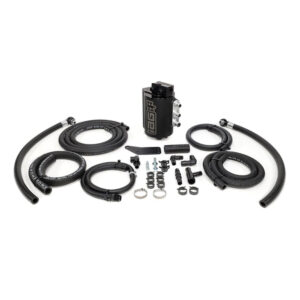
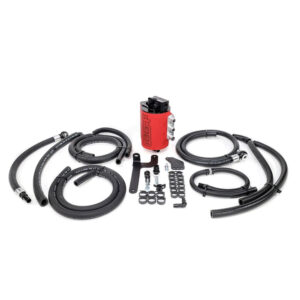
Oil Catch Cans & AOS for Subaru WRX & STI
Oil catch cans and AOS systems designed for the Subaru WRX and STI help manage oil vapor and blow-by produced under boost. By preventing excess oil from entering the intake tract, these systems support cleaner combustion, improved consistency, and reduced buildup on intake valves and intercooler components.
AOS systems are often preferred for daily-driven vehicles because they continuously separate and return oil to the engine, requiring little maintenance. Traditional oil catch cans collect oil in a reservoir that must be periodically drained, making them a flexible option for certain setups and driving styles.
Choosing the right oil control solution depends on your engine platform, power level, and intended use. Stock and lightly modified vehicles may benefit from simple oil separation, while higher-boost or track-driven builds often require more robust solutions designed to handle increased crankcase pressure.
Oil Catch Can vs AOS. What’s the Difference?
Oil catch cans store collected oil in a separate reservoir that requires manual draining, while air oil separators continuously return separated oil back to the engine. AOS systems are typically favored for daily-driven vehicles, while catch cans may be preferred in certain performance or track-focused applications depending on setup and maintenance preferences.
If you're planning performance upgrades for your Subaru, understanding how drivetrain components work together can help you build a more reliable setup. Our guide on how much boost is safe on a stock WRX and STI explains how increasing boost affects engine stress and supporting components. You can also explore how Subaru’s modern turbo engines compare in our article on FA20 vs FA24 engines, understand how fueling upgrades support higher power builds in our guide to fuel pumps vs injectors, and learn how tuning ties everything together in our article on what EFI tuning actually does for your WRX.
Frequently Asked Questions About Oil Catch Cans for WRX & STI
Choosing the right oil catch can depends on your Subaru platform, driving style, and performance goals. Below are answers to some of the most common questions from WRX and STI owners.
What does an oil catch can do on a Subaru WRX or STI?
An oil catch can separates oil vapor from crankcase gases before they enter the intake system. This helps reduce carbon buildup, keeps intercooler piping cleaner, and supports long-term engine efficiency on turbocharged Subaru platforms.
Is an oil catch can necessary for a WRX or STI?
While not required, oil catch cans are highly recommended for turbocharged engines. As boost increases, more oil vapor is pushed through the system, making oil control upgrades beneficial for long-term reliability.
What is the difference between an oil catch can and an AOS?
A catch can collects oil in a container that must be manually drained. An Air Oil Separator (AOS) continuously separates oil and returns it to the engine, making it a lower-maintenance option for many Subaru owners.
Do I need a tune after installing an oil catch can?
Most catch can systems do not require tuning on stock vehicles. However, heavily modified setups should always verify that crankcase ventilation and fueling remain properly balanced.
Which oil catch can is best for a Subaru WRX?
The best system depends on your build. Street-focused setups typically benefit from recirculating systems, while high-performance or track builds may use vented systems for maximum oil control.
Will an oil catch can help prevent carbon buildup?
Yes. By reducing the amount of oil vapor entering the intake system, a catch can helps minimize carbon deposits, especially on direct-injection engines like the FA20 and FA24.
How often do you need to empty a catch can?
This depends on driving conditions and engine setup. Some vehicles may require draining every few hundred miles, while others can go longer between maintenance checks.
Don't See Parts for your Vehicle?
We'll find it for you within 24 hours! Click the parts locator below: