Subaru WRX Engine Build
Building a WRX or STI engine comes down to matching your power goals to the right foundation, not just bolting on parts and hoping the engine holds together under boost.
FREE SHIPPING ON ALL ORDERS OVER $199

For most WRX and STI owners, the engine build conversation starts the same way. Power goals climb, supporting mods get added, and eventually the question becomes whether the factory short block can still handle what is being asked of it.
That is where an engine build plan matters. A properly planned WRX or STI build is not about making the most power possible. It is about building a setup where the power level, the internal engine foundation, the turbo, the fueling, and the tune all match each other. When those pieces are mismatched, the result is an expensive and frustrating cycle of failures.
On street-focused WRX builds targeting 300 to 350 wheel horsepower, the factory short block with the right supporting mods can still be a viable foundation. Once power goals push into the 400 wheel horsepower range and beyond, the factory architecture starts to show its limits under sustained boost and hard driving. At that point, stepping up to a stronger internal foundation is not just about making more power. It is about building something that actually holds up over time.
The goal is a WRX or STI that performs consistently, survives repeated hard use, and has room to grow as the build develops. That requires planning around the engine itself, not just the parts bolted to it.
(280 to 350whp / Daily Driver)
Stock short block still viable
Focus on supporting mods and tune
Intercooler, fueling and exhaust
Conservative boost on stock internals
Right foundation before going further
(350 to 450whp / Street and Track)
Built short block recommended
Supports higher boost and turbo upgrades
Full supporting mod setup required
Professional tune essential
Serious street and occasional track use
(450whp and Beyond / Track Focused)
Purpose-built short block required
Larger turbo and full fuel system
Complete supporting mod ecosystem
Built for serious power goals
Professional installation and tune
An engine build is often treated as a single decision: buy a short block, install it, make power. In reality it is a system decision. Every component in a performance build has a power ceiling, and when one piece exceeds that ceiling without the rest of the system keeping up, the build fails.
On the WRX and STI platforms, the factory short block is an open deck design. Under moderate boost with proper tuning and supporting mods, it is a capable foundation. Under sustained high boost, elevated cylinder pressure, and aggressive tuning, the open deck architecture becomes a liability. Cylinder walls flex, head gaskets fail, and the bottom end starts showing stress that was never part of the factory design intent.
A closed deck short block solves that problem at the foundation level. By reinforcing the cylinder walls and rebuilding the bottom end with stronger internals, a purpose-built short block gives the engine the structural integrity to handle what the turbo, fueling, and tune are actually putting into it.
But a stronger short block on its own is not an engine build. A real WRX engine build plans around the power level from the beginning. That means choosing a short block rated for the target power, selecting a turbo that matches the airflow demand, building a fuel system that can sustain the required flow, and having a tune written for the exact combination. Each of those decisions reinforces the others. When they are made together with a clear power goal in mind, the result is a build that performs consistently and lasts.
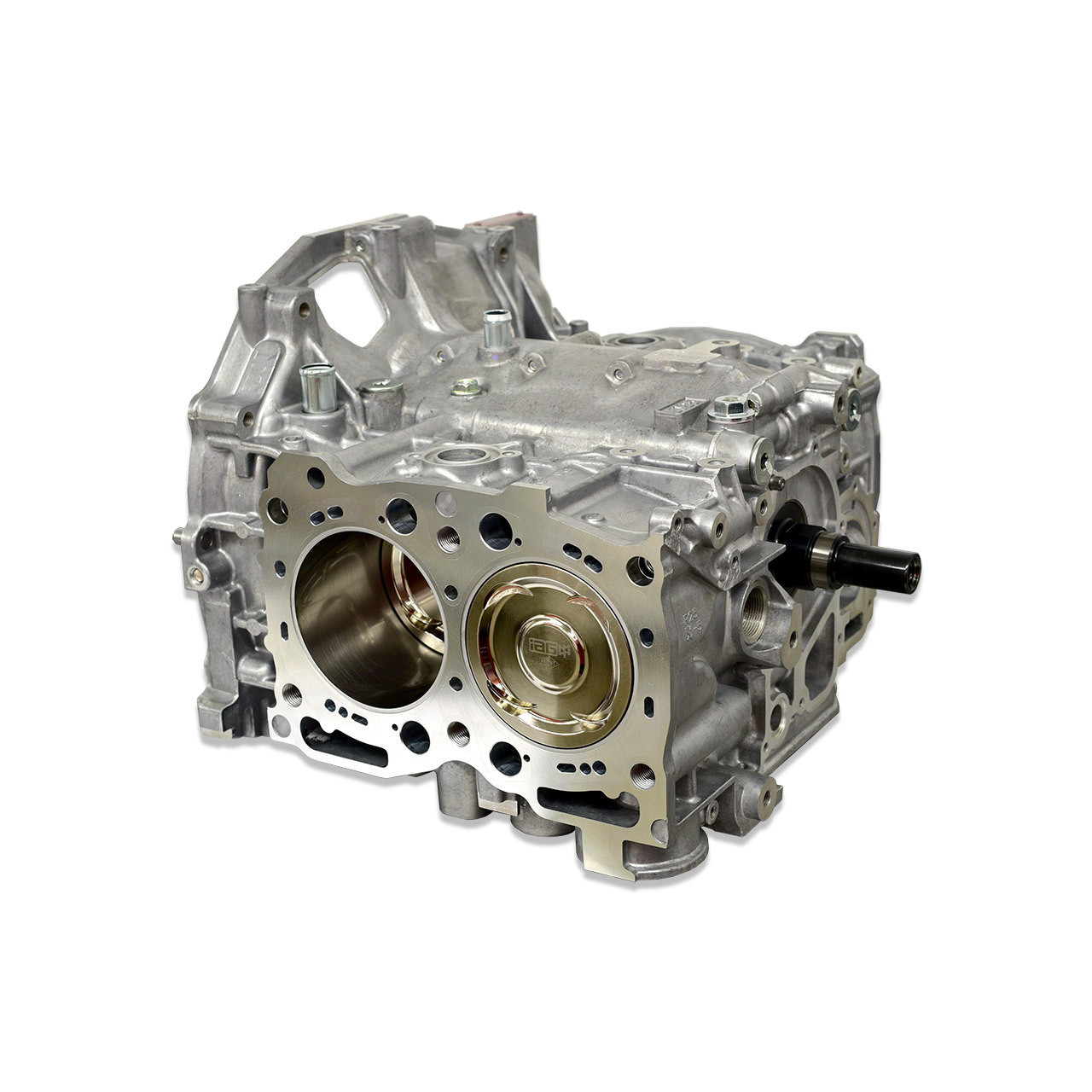
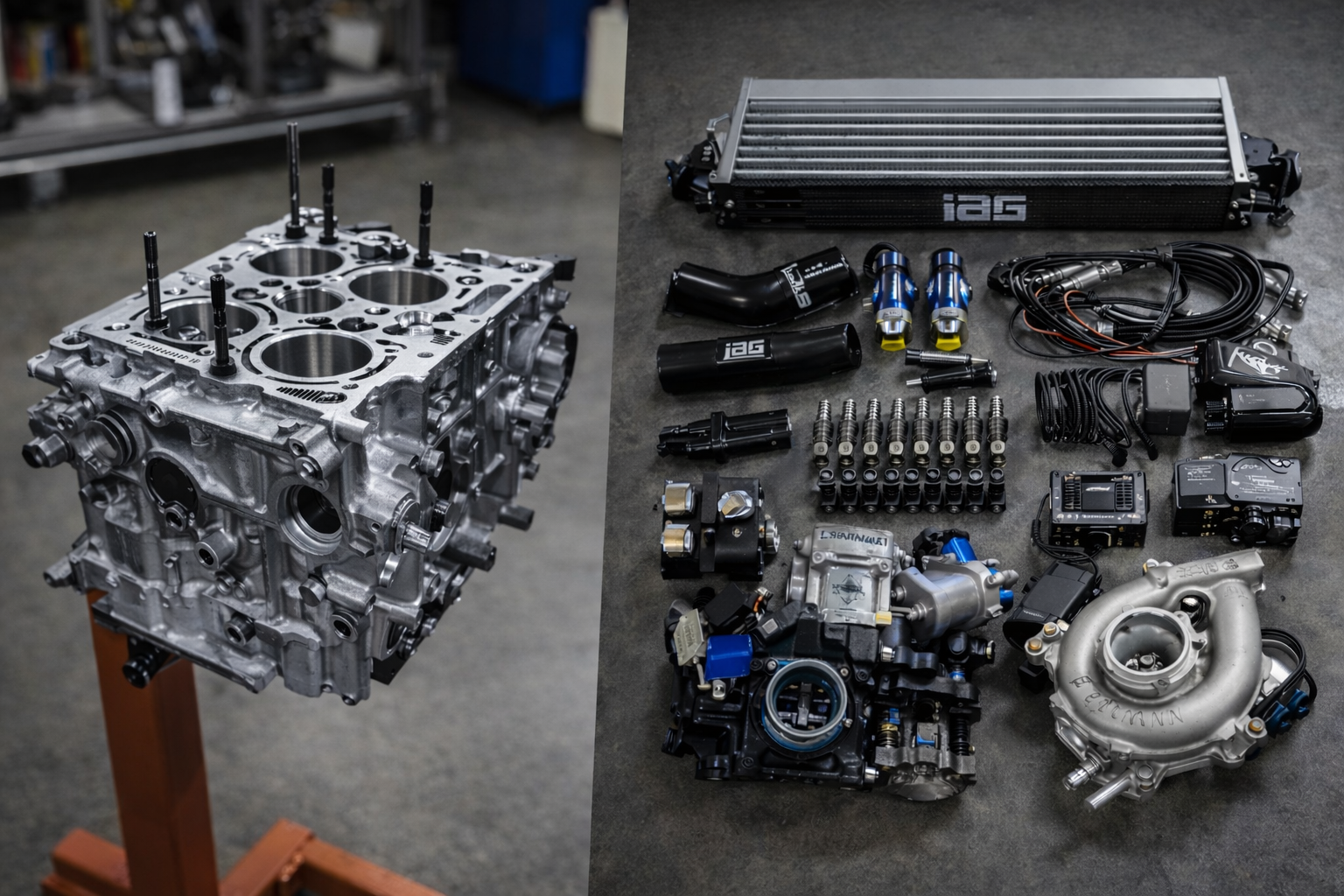
IAG 950 Closed Deck Short Block for Subaru WRX and STI
For WRX and STI owners building toward serious street or track power goals, the IAG 950 Closed Deck Short Block is the purpose-built engine foundation for this platform. Rated for up to 950 horsepower, it is engineered around a fully CNC-machined closed deck EJ25 case with forged internals and IAG Fire-Lock sealing technology, giving the bottom end the structural integrity to handle elevated boost and cylinder pressure that the factory architecture was never designed to support.
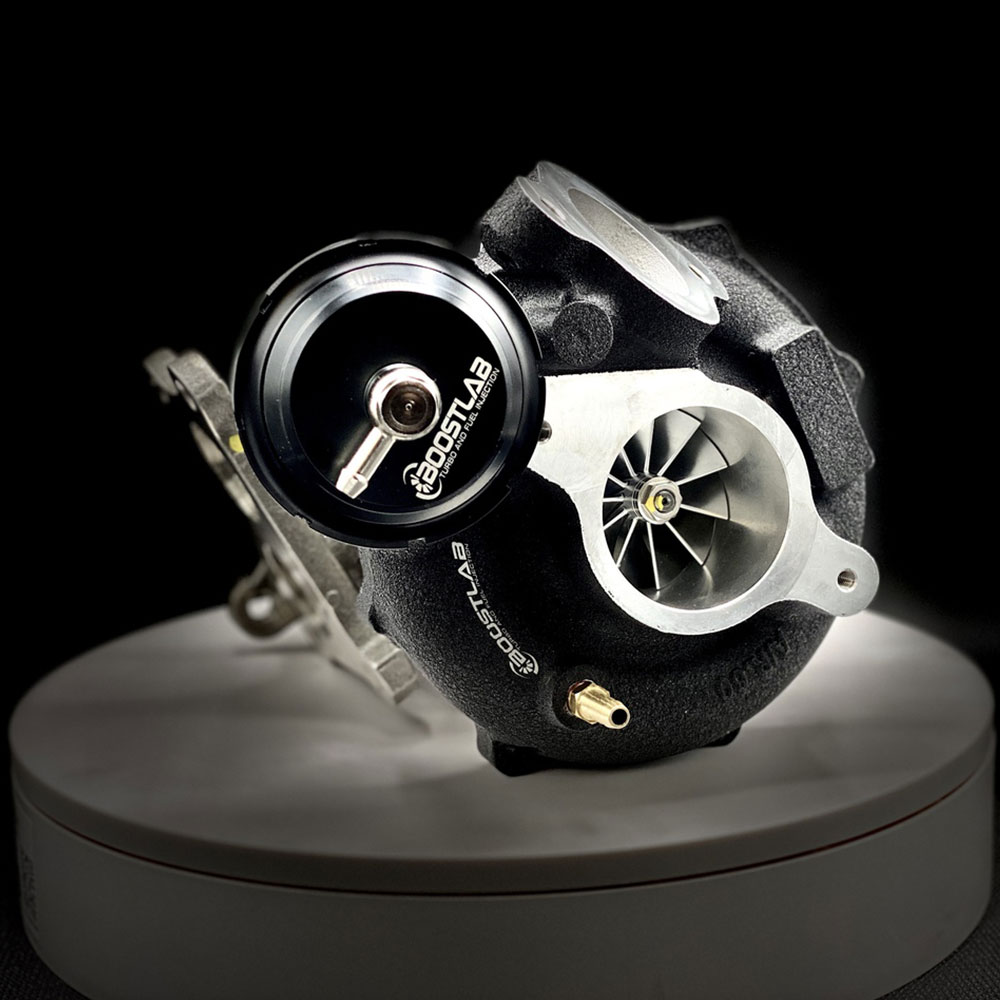
Boost Lab TD06SL2-54X Turbocharger for Subaru WRX FA20 2015 to 2021
For FA20-powered WRX builds where the stock turbo has become the limiting factor, the Boost Lab TD06SL2-54X is the purpose-built upgrade that matches the airflow demand of a serious power goal without sacrificing the streetable response that makes a WRX enjoyable to drive. Rated for 500 horsepower, it is the natural turbo pairing for builds that have moved beyond what the factory forced induction system can support.
WRX and STI models do not all share the same engine architecture, and the right build path depends heavily on which platform you are working with and what power level you are targeting.
EJ-powered Subaru STI models through 2021 are the most established platform for serious engine builds. The EJ25 has a deep aftermarket ecosystem of closed deck short blocks, head studs, fire-lock gaskets, and supporting components specifically designed around pushing this engine well beyond stock limits. The IAG 950 and IAG 1150 are both EJ25 platform solutions, with the 950 covering serious street and track builds and the 1150 designed for extreme power applications.
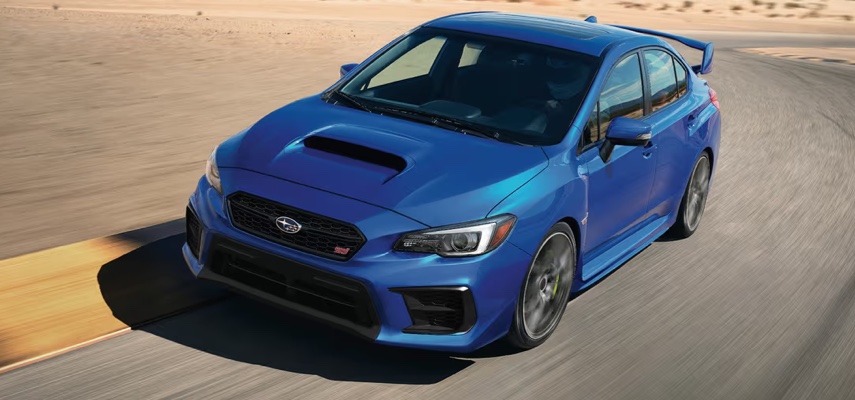
FA20-powered Subaru WRX models from 2015 to 2021 have a growing engine build ecosystem. Closed deck FA20 short block solutions are available for builds targeting higher power levels, and the turbo upgrade path is well established with options like the Boost Lab TD06SL2-54X built specifically for this platform.
The FA24-powered VB WRX from 2022 to present is the newest platform in this space. Engine build options are emerging and the aftermarket is developing quickly, with IAG already offering the 1000 FA24 Closed Deck Short Block for high-power VB builds.
Other Subaru platforms including the Forester XT, Legacy GT, and Impreza share engine build logic with the WRX and STI on EJ platforms, though specific build requirements vary by year and model.
Once power goals push consistently beyond what the factory short block comfortably supports, typically in the 350 to 400 wheel horsepower range on sustained hard use, stepping up to a stronger foundation becomes the smarter long-term decision. On builds running a larger turbo, aggressive ethanol tuning, or repeated track use, a closed deck short block provides the structural integrity the factory architecture cannot. IAG short blocks for WRX and STI are the most established solution for this platform.
Both are closed deck EJ25 short blocks built by IAG, but they are engineered for different power levels and use cases. The IAG 950 is designed for serious street and track builds targeting up to 950 horsepower with forged internals and Tuff H-beam rods. The IAG 1150 steps up further with billet rotating components and pinned mains, built for extreme power applications and sustained competition use where the 950 would reach its limits.
Not always, but it depends on the turbo and the power level being targeted. On bolt-on turbo upgrades that stay within a reasonable power range for the factory short block, a built engine may not be immediately necessary. On builds targeting the kind of power the Boost Lab TD06SL2-54X is capable of supporting, a closed deck short block becomes an important part of the equation. The turbo and the engine foundation need to be matched to the same power goal. Engine mounts for WRX and STI are also worth upgrading at this stage to handle the added torque load.
A built short block is a foundation, not a complete solution. To operate safely and reach its power potential, it requires a fuel system capable of sustaining the required flow, a turbo matched to the target airflow demand, a proper intercooler, supporting exhaust, and most importantly a professional tune written for the exact combination. IAG oil catch can and AOS systems are also strongly recommended on any built engine running elevated boost.
The cost of a WRX engine build varies significantly depending on the power goal, the short block chosen, and the supporting components required. A street-focused build around the IAG 950 with a matched turbo, fuel system, and tune represents a serious investment, but one that is designed to hold up under the kind of driving that destroys a stock engine. Planning the build around a clear power goal from the start is the most cost-effective approach. Our team can help you map out the right combination for your budget and goals.
Yes, and for most owners a staged approach makes the most sense. Starting with supporting mods, getting a proper tune, and building a strong foundation before committing to a short block and turbo upgrade is a smarter path than trying to do everything at once. The WRX engine reliability and supporting mods guide covers the foundational upgrades that should come before a full engine build is considered.
A built short block is only as effective as the system around it. On a WRX or STI engine build, the short block sets the power ceiling but every other component in the build needs to match what the engine is capable of handling.
Fueling is the most immediate requirement. A built engine making serious power needs a fuel system that can sustain the required flow at all times. Our WRX fuel system upgrades guide covers how pumps, injectors, and flex fuel setups connect to a high power engine build.
The forced induction system needs to match the engine’s new capability. A larger turbo, a proper intercooler, and supporting airflow components are what allow the short block to actually reach its rated power potential. Our WRX turbo and airflow upgrades guide explains how that side of the build connects to the engine foundation.
Stabilizing the drivetrain with engine mounts for WRX and STI becomes critical on a built engine making serious power. Excess drivetrain movement under the kind of torque a built engine produces works against everything a proper build is designed to deliver.
Managing crankcase pressure is non-negotiable on a built engine. IAG oil catch can and AOS systems are a standard part of any serious WRX or STI engine build for a reason. They protect the intake system and support cleaner, more consistent engine operation under sustained high boost.
The exhaust path also needs to support the build. A quality header, downpipe, and catback helps the engine breathe efficiently and supports the turbo’s ability to spool and evacuate gases under the increased demand of a built setup. Our WRX exhaust upgrades guide covers how exhaust fits into a complete engine build.
These components work best when they are planned together from the beginning. A WRX engine build is a system decision, not a short block purchase.
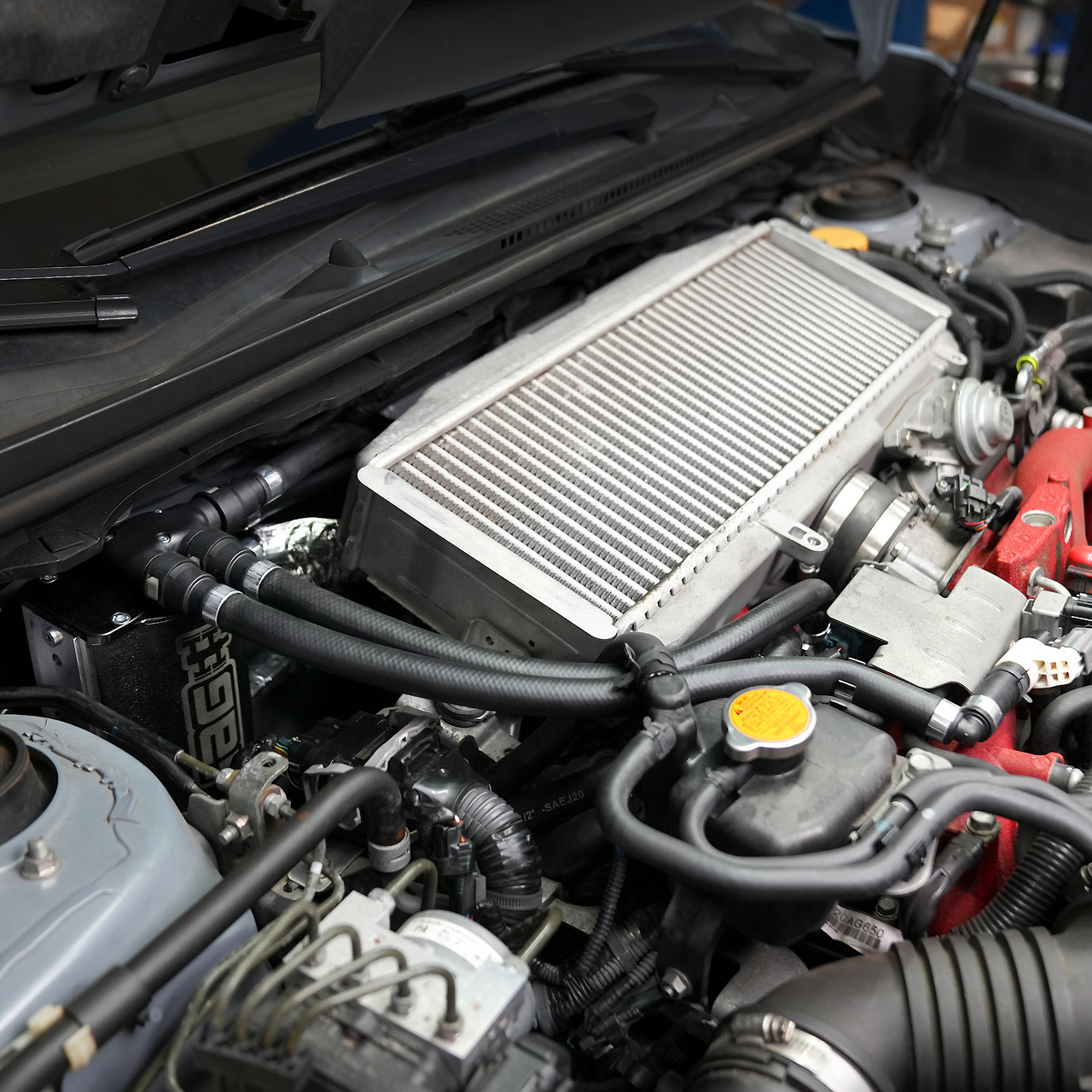
Wrench Masters focuses on Subaru performance platforms and the components that need to work together for a build to stay consistent and keep making power safely over time.
Instead of guessing between build options, you can plan around combinations that match your engine platform, power goals, and long-term build direction, whether that means a street-focused setup around the IAG 950 or a more serious high-power build targeting the kind of numbers the factory architecture was never meant to handle.
From the short block and turbo selection to the fueling, exhaust, and tune, the goal is the same: build a WRX or STI that performs consistently, holds up under repeated hard use, and has a clear path forward.
The result is not just a faster car, but a better-planned Subaru build with a foundation strong enough to match the power it is making.
Engine Build & Power Guides
If you are planning a WRX or STI engine build, these guides help explain how power goals, engine internals, and supporting mods work together.
Related WRX Engine Build Components
To support your engine build, explore the components that work together across the full WRX performance system.
Building around a stronger foundation with IAG short blocks for WRX and STI, stabilizing the drivetrain with engine mounts for WRX and STI, and managing crankcase pressure through AOS and catch can systems all support a more complete and consistent WRX build.
Browse all Subaru WRX engine components and build parts to find the right fit for your platform and power goals.