WRX Turbo & Airflow Upgrades
Turbo and airflow upgrades on a WRX or STI come down to matching the right combination to your power goals, not just bolting on the biggest turbo and hoping everything else keeps up.
FREE SHIPPING ON ALL ORDERS OVER $199

For most WRX and STI owners, the turbo and airflow side of the build becomes the main conversation once bolt-on upgrades have been exhausted and the stock forced induction system starts showing its limits. The factory turbo is designed around a balance of spool response, daily drivability, and emissions compliance. Once power goals climb beyond what the stock setup can support, airflow becomes the primary constraint.
That is what makes turbo and airflow upgrades more than just a power mod. Every component in the forced induction path, from the intake and intercooler to the turbocharger itself, affects how efficiently the engine can move air under boost. When one piece of that system becomes a restriction, the rest of the build cannot perform to its potential.
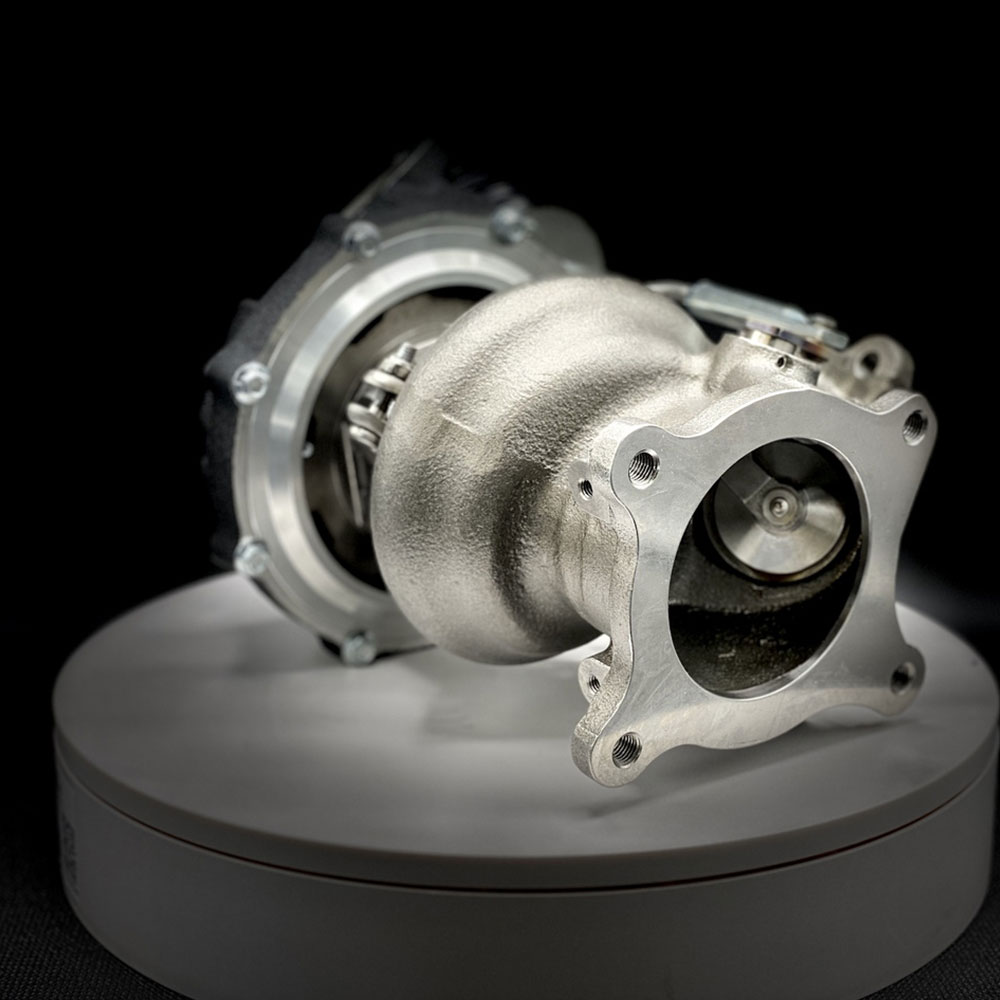
On mildly modified WRX builds, an intercooler upgrade or improved intake can reduce heat soak, sharpen boost response, and support more consistent power delivery without requiring a larger turbo. On higher power builds where the stock turbo has become a genuine restriction, a purpose-built upgrade like the Boost Lab TD06SL2-54X provides the airflow capacity to support serious power goals while retaining streetable spool response.
The goal is not just more boost. It is a WRX or STI forced induction system that matches your power level, manages heat effectively, and gives you a clear path forward as the build grows.
(Daily Driver / Entry-Level Build)
Reduces heat soak and intake temps
Improves boost response consistency
Bolt-on fit for most WRX platforms
Works with stock turbo setups
Good starting point before bigger upgrades
(Tuned / Street Performance)
Front or top mount intercooler upgrade
Better charge air cooling under load
More consistency during repeated pulls
Tune recommended for best results
Right setup for street performance builds
(High Power / Serious Builds)
Larger turbo for more airflow capacity
Full supporting airflow system required
Intercooler, intake and fueling needed
Requires professional tune
Built for serious power goals
Turbo and airflow upgrades are often misunderstood as simply adding more boost. On a turbocharged platform like the WRX or STI, the forced induction system is a chain of components that all need to work together. When one piece of that chain becomes a restriction, adding boost pressure does not solve the problem. It makes it worse.
The airflow path on a WRX starts at the intake, where air enters the system. From there it passes through the turbocharger compressor, which pressurizes it before it reaches the intercooler. The intercooler removes heat from that compressed air before it enters the engine. Cooler, denser air allows the engine to burn more fuel safely, which is where the power increase actually comes from.
Each of those components has a capacity limit. The stock intake can only flow so much air before it becomes a restriction. The factory intercooler can only dissipate so much heat before charge temps climb and performance drops. The stock turbo can only compress so much air before it runs out of efficiency. Upgrading these components in the right order, matched to the build level, is what makes a turbo and airflow strategy effective.
On stock and mildly modified WRX builds, an intercooler upgrade is often the highest-return single investment in the airflow path. It reduces heat soak, supports more consistent power delivery, and gives the stock turbo more room to work. On builds where the stock turbo has reached its limits, a purpose-built upgrade opens up a completely different power ceiling. But that turbo upgrade only delivers its full potential when the intercooler, intake, fueling, and tune are all matched to the new airflow demand.
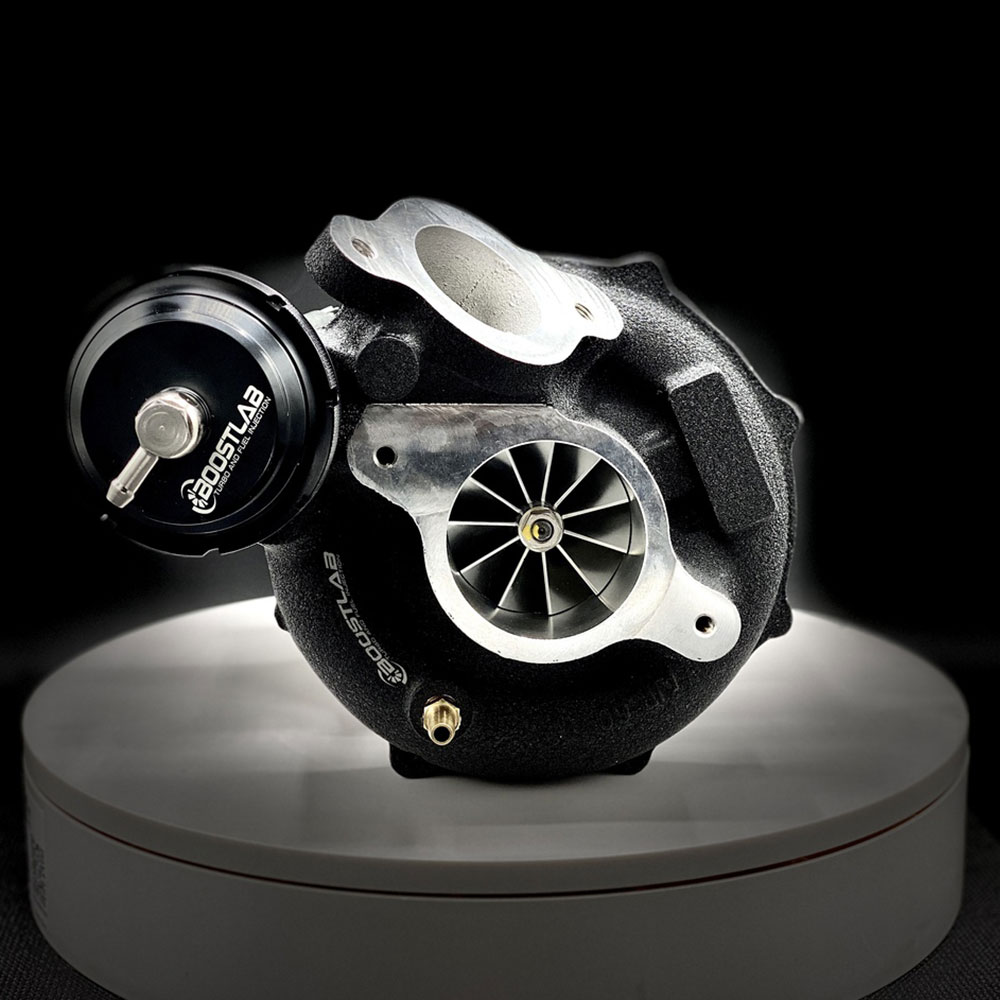
Boost Lab TD06SL2-54X Turbocharger for Subaru WRX FA20 2015 to 2021
For FA20-powered WRX owners ready to move beyond the stock turbo, the Boost Lab TD06SL2-54X is the purpose-built upgrade for this platform. Rated for 500 horsepower, it delivers substantially more airflow capacity than the factory unit while retaining the streetable spool response that makes a WRX enjoyable to drive every day.
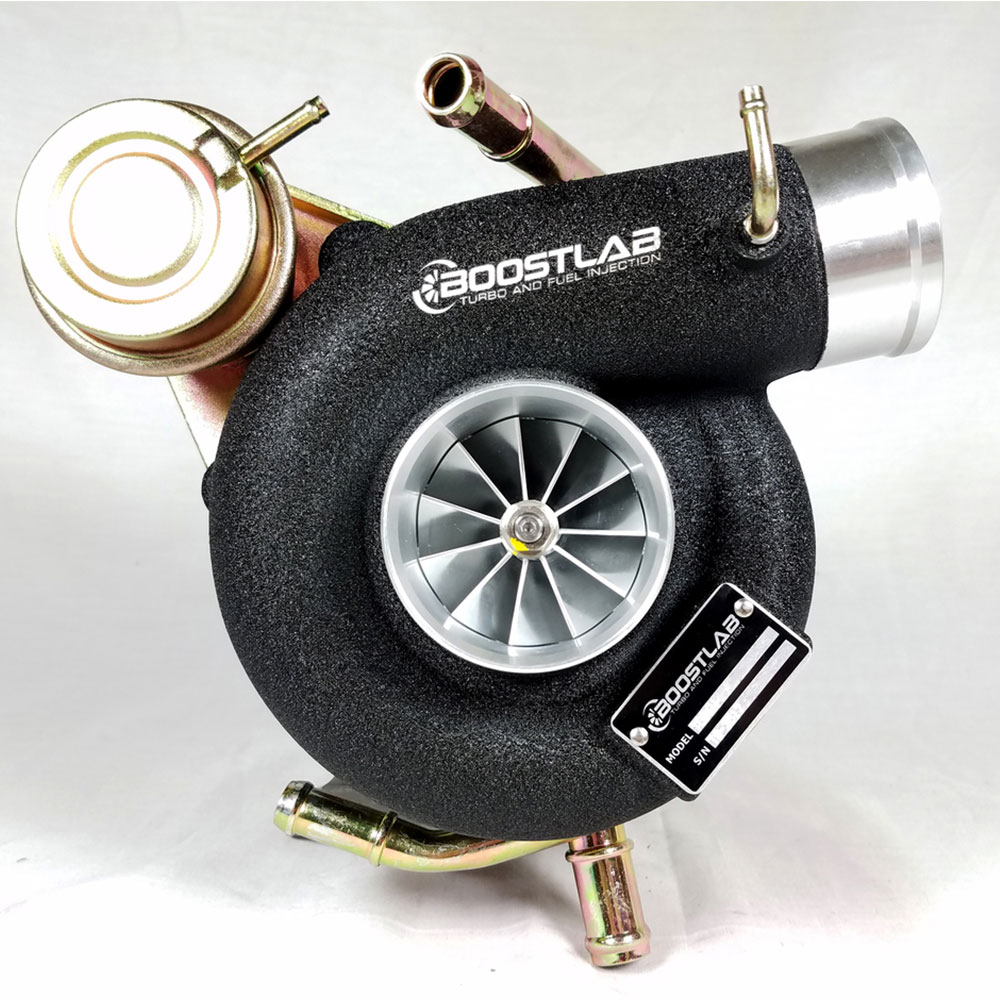
Boost Lab TD06SL2-54X Turbocharger for Subaru STI EJ 2004 to 2021
For EJ-powered STI owners ready to move beyond the stock turbo, the Boost Lab TD06SL2-54X STI fitment is the purpose-built upgrade for this platform. Rated for up to 500 horsepower, it delivers the same airflow capacity as the FA20 fitment in a configuration designed specifically for the EJ turbo location and oil feed routing.
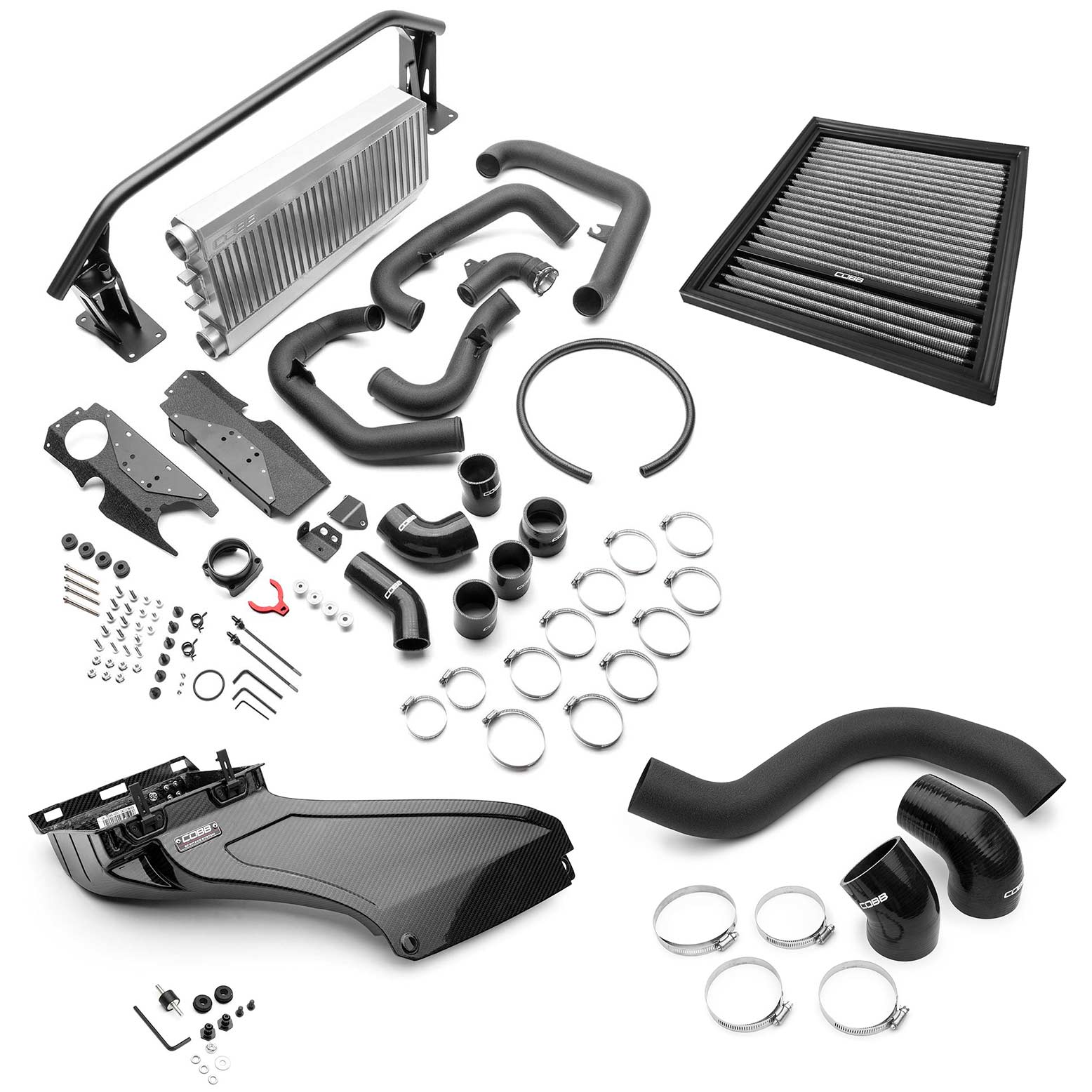
Cobb Front Mount Intercooler and Redline Intake Package for Subaru WRX 2022 to 2025
For current-generation VB WRX owners looking to upgrade the entire front end of the airflow system in one move, the Cobb FMIC and Redline Intake Package is the complete solution. It combines a front mount intercooler with a high-flow intake system specifically engineered for the 2022 to 2025 WRX, delivering improved charge air cooling and reduced intake restriction in a single package.
Shop the Cobb FMIC and Redline Intake Package for WRX 2022 to 2025
WRX and STI models do not all share the same forced induction architecture, and the right upgrade path depends on which platform and power level you are working with.
EJ-powered Subaru STI models through 2021 have a well-established turbo upgrade path. The Boost Lab TD06SL2-54X is available in an STI-specific fitment, and the EJ platform responds well to intercooler and intake upgrades across a wide range of build levels. On higher-power EJ builds, the turbo upgrade path is typically paired with fueling, exhaust, and internal engine upgrades.
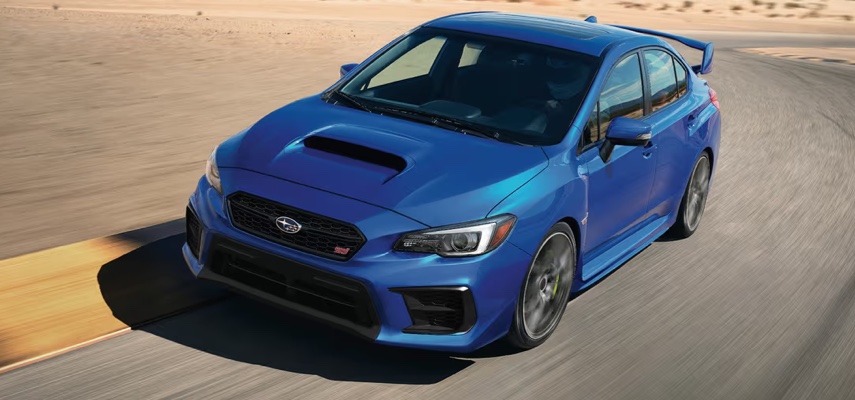
FA20-powered Subaru WRX models from 2015 to 2021 use a twin-scroll turbo configuration that responds differently to upgrades than the EJ setup. Equal length headers and purpose-built turbo options like the Boost Lab FA20 fitment are the right approach here. Intercooler upgrades are widely supported and deliver strong results on this platform even before a turbo upgrade is considered.
The FA24-powered VB WRX from 2022 to present is a newer platform with a growing forced induction aftermarket. The Cobb FMIC and Redline Intake Package is one of the strongest complete airflow upgrades currently available for this chassis, and turbo options continue to develop alongside the broader VB aftermarket.
Other platforms like the Forester XT, Legacy GT, and Impreza share turbo and airflow upgrade logic with the WRX and STI, though specific fitment and supported power levels vary by year and model.
An intercooler upgrade makes sense once the stock unit starts showing heat soak on back-to-back pulls, in high ambient temperatures, or as boost and power levels climb beyond what the factory intercooler was sized for. On most WRX platforms, an intercooler upgrade is one of the highest-return airflow investments before a turbo upgrade is considered. Browse WRX intercooler kits to find the right option for your platform.
A tune is strongly recommended after any meaningful airflow change, especially a front mount intercooler swap or a significant intake upgrade. The ECU needs to be recalibrated to take full advantage of improved charge air temperatures and airflow. Without a tune, power gains are often left on the table.
A turbo upgrade is not a standalone mod. To work safely and effectively, a larger turbo requires supporting fueling upgrades, an intercooler capable of handling the increased airflow and heat, a proper tune, and on higher power builds, stronger engine internals. Performance engine mounts for WRX and STI are also worth upgrading at this stage to handle the added torque.
A top mount intercooler sits directly on top of the engine in the factory location and feeds through the hood scoop. A front mount intercooler is positioned in the front bumper area, away from engine heat, which typically allows for more effective cooling. Front mount setups offer greater cooling capacity but require more piping and often a tune to take full advantage. Top mount upgrades are a simpler bolt-on improvement that delivers real gains without the complexity of a full front mount conversion.
The Boost Lab TD06SL2-54X is rated for up to 500 horsepower on FA20 WRX and EJ STI platforms. It is designed as an OEM upgrade turbo that retains streetable spool response while opening up the airflow capacity needed for serious power goals. Supporting modifications including fueling, intercooler, exhaust, and tune are required to reach that power level safely. When the engine itself needs to match those power goals, IAG short block options provide the right internal foundation.
Yes, especially on higher-boost builds. As boost and airflow demand increase, crankcase pressure management becomes more important. IAG oil catch can and AOS systems help keep the engine running cleaner and more consistently on builds that are being pushed hard.
Turbo and airflow upgrades deliver the best results when the rest of the build is matched to the increased airflow and power demand. A larger turbo or front mount intercooler on an otherwise stock supporting system is an incomplete solution.
Fueling is the most immediate companion to any turbo or airflow upgrade. As airflow capacity increases, so does the engine’s demand for fuel. Our WRX fuel system upgrades guide explains how pumps, injectors, and flex fuel setups connect to the turbo side of the build.
Stabilizing the drivetrain with performance engine mounts for WRX and STI becomes increasingly important as torque rises with a larger turbo. Excess drivetrain movement under load works against the consistency a properly tuned turbo system is designed to deliver.
Managing crankcase pressure is also more critical on boosted builds running a larger turbo or more aggressive tune. IAG oil catch can and AOS systems help maintain cleaner, more consistent engine operation as boost and airflow demand increase.
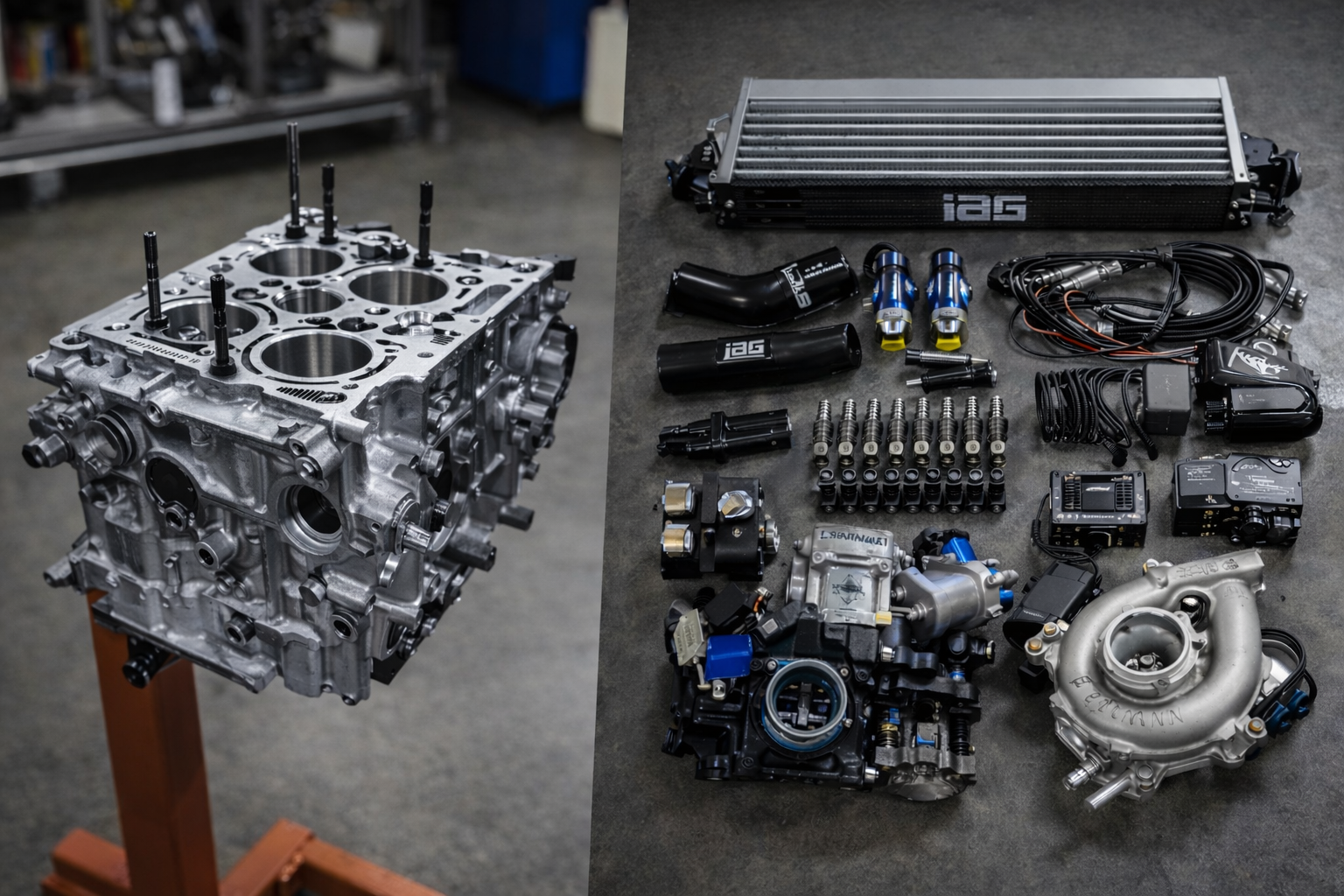
On builds where a turbo upgrade is part of a larger power goal, it is worth confirming whether the factory short block is still the right foundation. IAG short block options give serious builds the internal strength to match the airflow and boost levels they are targeting.
The exhaust side of the build also matters. Improved exhaust flow through a quality header, downpipe, and catback supports the turbo’s ability to spool and evacuate spent gases efficiently. Our WRX exhaust upgrades guide covers how exhaust and forced induction work together.
These upgrades work best as a coordinated system. Turbo and airflow upgrades are one part of a complete WRX performance build, not a standalone decision.
Wrench Masters focuses on Subaru performance platforms and the components that need to work together for a build to stay consistent and keep making power safely.
Instead of guessing between turbo and airflow options, you can build around combinations that match your platform, power goals, and supporting setup, whether that means an intercooler upgrade for a street-driven WRX or a full turbo build on a high-power STI.
From entry-level airflow upgrades to complete turbo system builds, the goal is the same: choose components that support what the engine is actually being asked to do under boost.
The result is not just a faster car, but a better-planned Subaru build with a forced induction system that can grow alongside it.
Turbo, Airflow & Build Guides
If you are planning a WRX or STI turbo or airflow upgrade, these guides help explain how forced induction connects to the rest of the build.
Related WRX Performance Components
To support your turbo and airflow build, explore the components that work together across the full WRX performance system.
Keeping the drivetrain stable with performance engine mounts for WRX and STI, managing crankcase pressure through AOS and catch can systems, and building around a stronger foundation with IAG short blocks all support a more complete and consistent WRX build.
Browse all Subaru WRX forced induction and turbo components to find the right fit for your platform and build stage.