WRX Engine Reliability & Supporting Mods
Engine reliability on a WRX or STI comes down to building a setup that can handle boost, heat, and stress over time, not just making power.
FREE SHIPPING ON ALL ORDERS OVER $199

For many WRX and STI owners, reliability becomes the real conversation after the first performance upgrades go on. Power is exciting, but once boost, heat, and cylinder pressure start climbing, the setup needs the right foundation to stay consistent.
That is what makes this page important. Reliability is not one single part. It is the result of choosing upgrades that work together, from airflow and ventilation to engine stability and internal strength.
On stock or lightly modified cars, that may mean improving known weak points before they become expensive problems. On higher horsepower builds, it means planning around the reality that more power demands more from the short block, oil control system, fueling, mounts, and exhaust path.
The goal is not only to make more power. It is to build a WRX or STI that holds up better under repeated use, responds more consistently, and supports your long-term build direction.
(Daily Driver / Mild Bolt-On Setup)
Stock or lightly modified setups
Focus on prevention and consistency
Reduces common failure points
Smooth daily drivability
Foundation before power upgrades
(Tuned / Street Performance)
Designed for higher boost and load
Improves engine stability and control
Better crankcase ventilation
Supports consistent performance
Built for balanced setups
(High Power / Long-Term Builds)
Stronger internal engine support
Handles higher boost and power
Designed for big turbo setups
Improved long-term durability
Built around serious power goals
Engine reliability is often treated like a vague idea, but on a turbo Subaru it comes down to how well the entire system handles stress. That includes heat, oil control, crankcase pressure, airflow demand, fueling stability, and the physical movement of the drivetrain under load.
A reliable setup is not simply one that makes less power. It is one where the supporting parts match the engine’s demands. That is why issues often show up after modifications are added without enough attention to ventilation, tuning, engine movement, or internal engine limits.
On WRX and STI platforms, reliability usually improves when the car is built as a system instead of as a collection of unrelated parts. That means supporting airflow correctly, controlling crankcase pressure, reducing drivetrain movement, and being realistic about when the factory short block is no longer the right foundation.
For some owners, reliability means preventing common problems on a stock engine. For others, it means stepping up to stronger hardware so the car can safely support the power level they actually want.
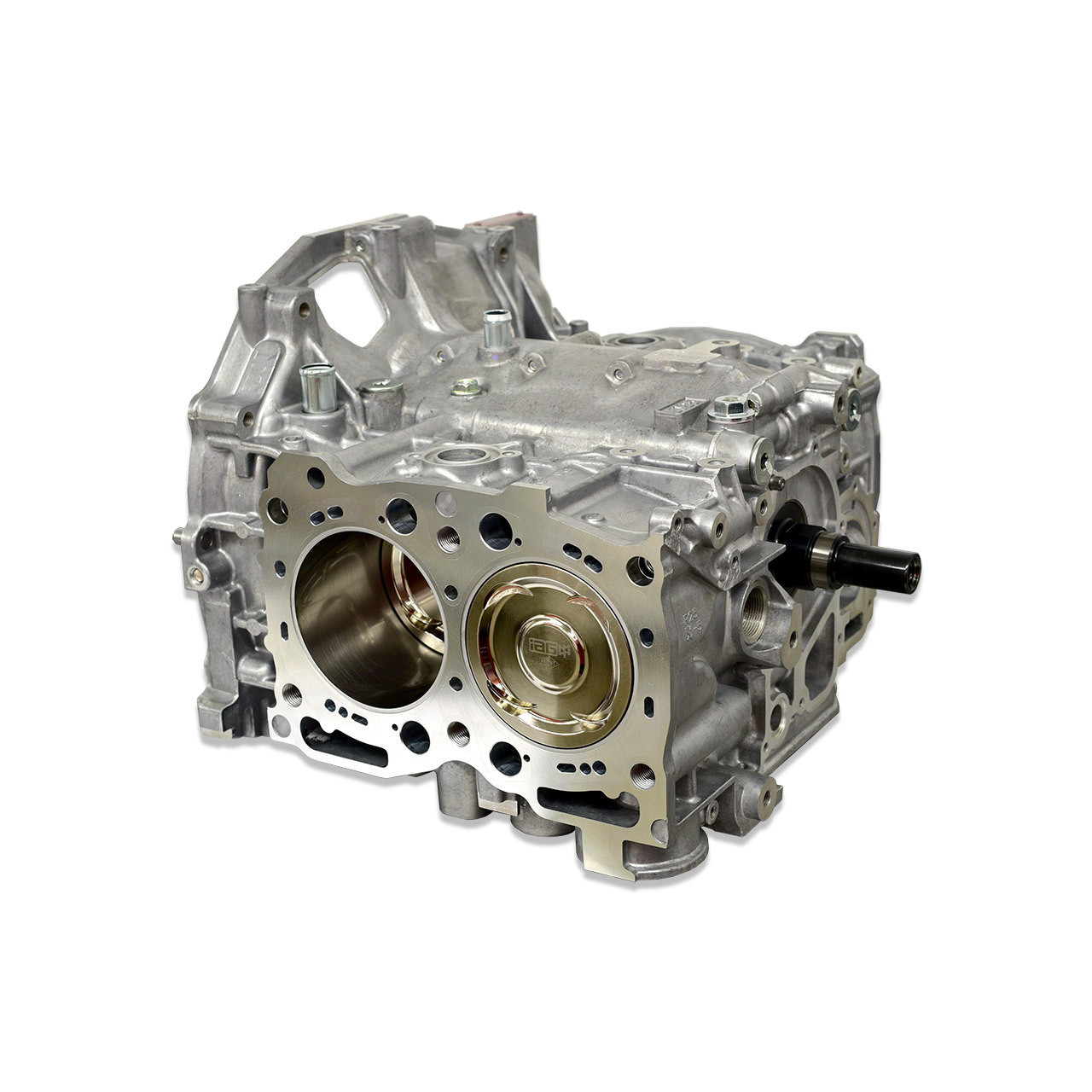
IAG 950 Closed Deck Short Block
For WRX and STI owners looking for a stronger engine foundation without jumping straight to the most extreme setup, the IAG 950 is a smart reliability upgrade. It is built for enthusiasts who want more confidence under boost, stronger internal support, and a better base for future power goals.
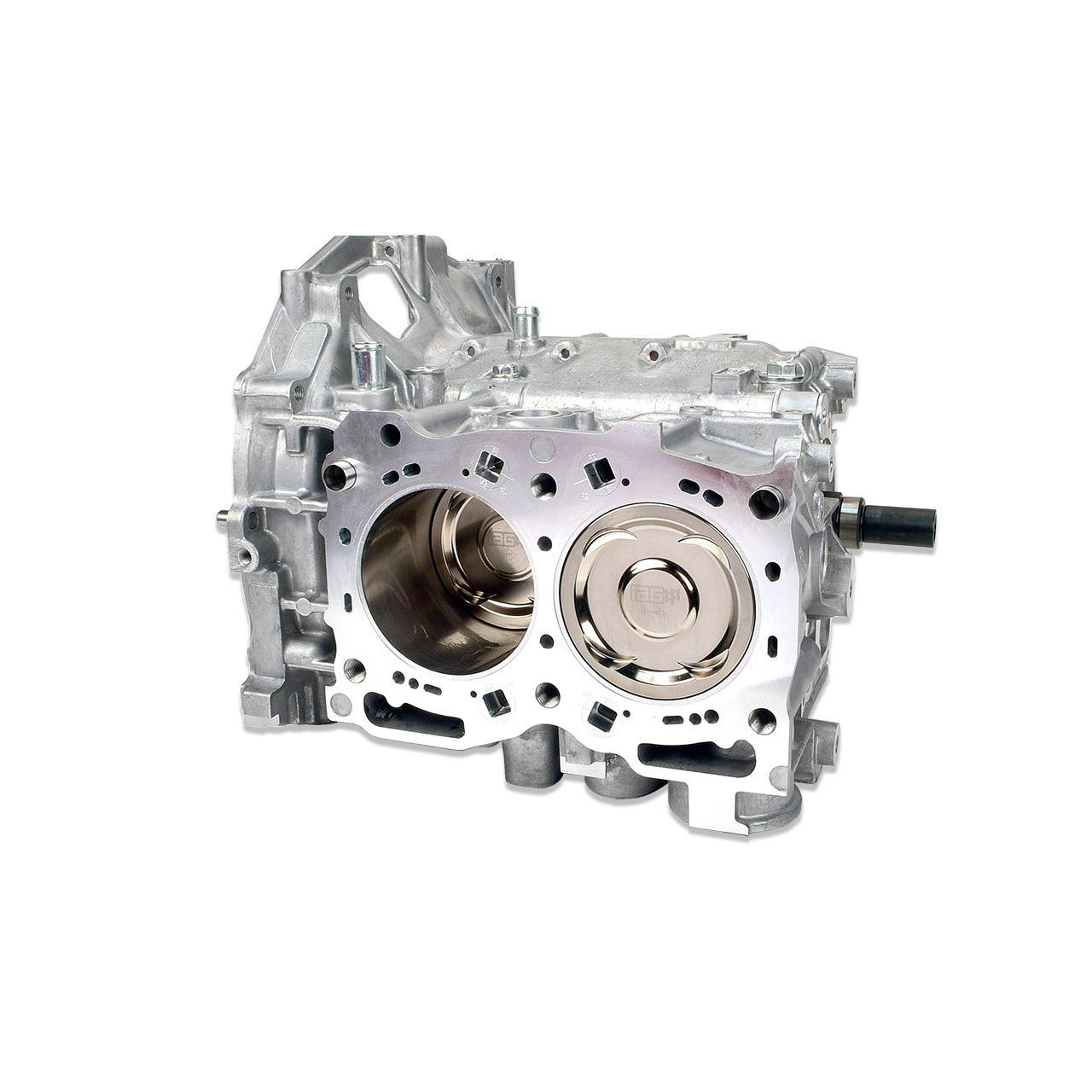
IAG 1150 Closed Deck Short Block
For higher horsepower WRX and STI builds, the IAG 1150 is the more aggressive long-term reliability move. It is designed for setups where boost, cylinder pressure, and power goals demand a short block built to handle much more than stock architecture was ever meant to support.
WRX and STI models do not all respond to reliability upgrades the same way. Engine platform, factory power delivery, and intended use all change which supporting mods matter most.
EJ-powered cars often bring reliability concerns into focus sooner once boost and turbo size increase. As airflow demand rises, ventilation, tuning, oil control, and internal engine strength become much more important, especially on harder-driven Subaru STI models.

FA20-powered cars, commonly found in many Subaru WRX models, benefit from a careful supporting mod strategy as power climbs. Even when the engine remains stock internally, stability from proper tuning, ventilation, and drivetrain control can make a major difference in long-term consistency.
FA24 setups start from a stronger baseline in some areas, but reliability still depends on the same principle: once you ask more from the engine, the rest of the system needs to keep up.
Other turbo Subaru platforms like the Forester XT, Legacy GT, and Impreza follow similar patterns, even if the exact supporting priorities vary by platform and build style.
Choosing the right reliability path depends less on hype and more on matching the parts to your engine, turbo setup, and realistic power goals.
Reliability improves when the supporting systems match the added stress. That usually means proper tuning, better crankcase ventilation, improved drivetrain control, and being realistic about when the stock short block is no longer enough.
Yes. Supporting mods are often what separate a fun setup from a fragile one. Parts like engine mounts, oil catch cans and AOS systems, and proper exhaust components help the engine operate more consistently under load.
Once your power goals, turbo setup, or long-term plans move beyond what a stock short block comfortably supports, stepping up to a stronger foundation becomes the smarter reliability decision. That is where options like the IAG 950 short block or IAG 1150 short block become relevant.
Yes. Managing crankcase pressure and oil vapor becomes more important as boost and engine load increase. A properly chosen AOS system can help maintain cleaner, more consistent operation.
Yes, especially on modified WRX and STI setups. Excess drivetrain movement under load affects how the car responds and can add stress across the setup. Upgrading to better engine mounts helps stabilize the drivetrain, especially on more aggressive builds.
Engine reliability improves when the rest of the setup can manage the added load that comes with tuning, boost, and harder driving. That is why the smartest reliability upgrades usually go beyond one single part.
Upgrading to performance engine mounts for WRX and STI helps reduce drivetrain movement and improves stability when torque rises, especially on street and track-driven setups.
For WRX and STI builds making more power, upgrading performance engine mounts for WRX and STI is one of the most effective ways to improve drivetrain response and reduce stress under load.
Managing crankcase pressure matters too, which is where oil catch cans and AOS systems play an important role in cleaner, more consistent engine operation.
For builds aiming well beyond stock power levels, stepping up to stronger internals with IAG short block solutions creates a better long-term foundation than trying to stretch the limits of a factory bottom end.
At the same time, improving flow out of the engine with Subaru exhaust upgrades helps the overall combination work more efficiently.
If the build direction includes higher airflow and more boost, it also makes sense to understand how turbo system demand changes the stress placed on the engine. Our guide to boost control and forced induction explains how that side of the system fits into the bigger picture.
These upgrades work best when they are chosen as part of one complete reliability strategy, not as isolated decisions.
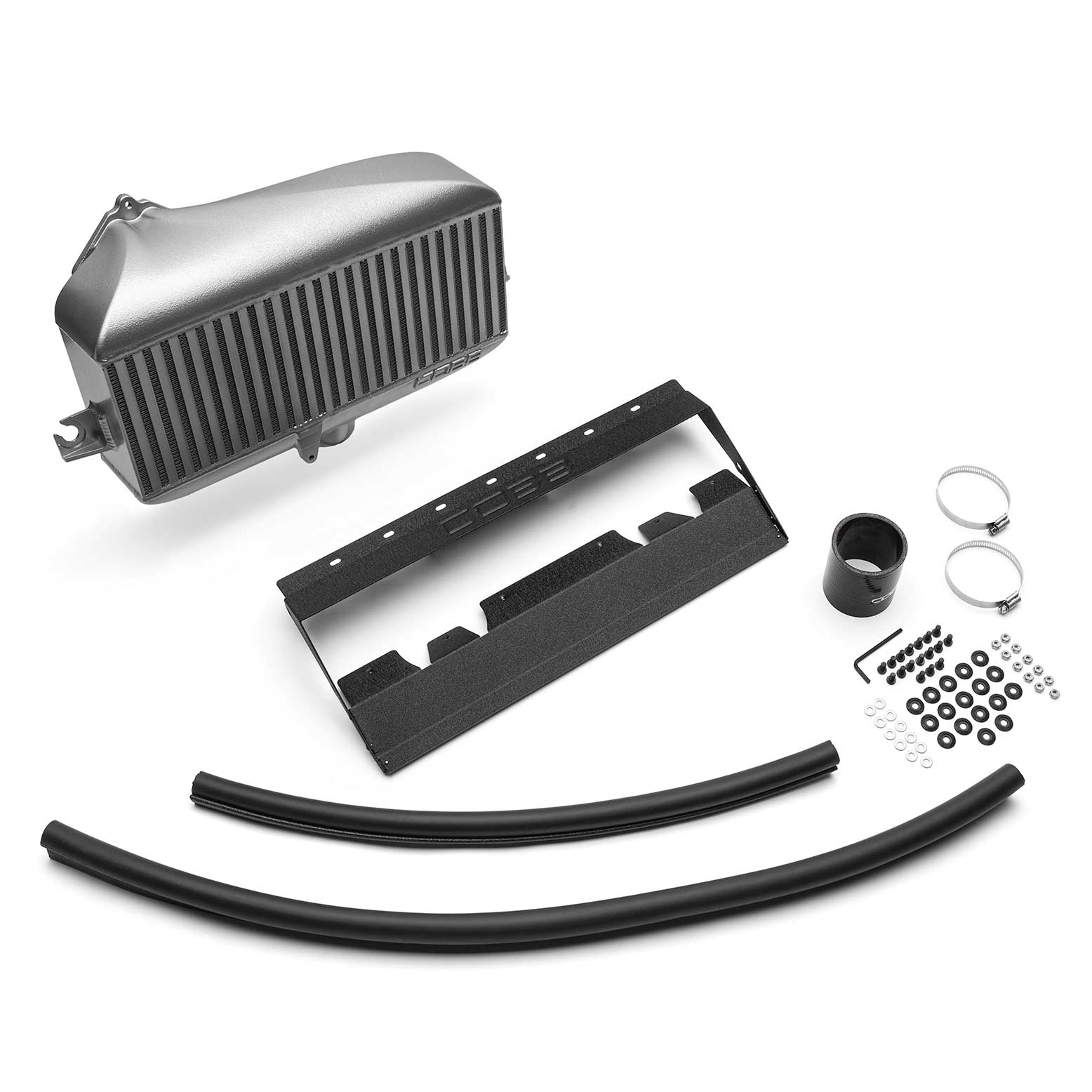
Wrench Masters focuses on Subaru performance platforms and the components that need to work together for a build to stay consistent over time.
Instead of guessing between random upgrades, you can build around combinations that match your engine platform, power goals, and long-term reliability expectations, whether that means preventive supporting mods or a stronger short block foundation.
From daily-driven WRX setups to more serious STI builds, the goal is the same: choose parts that support airflow, ventilation, drivetrain control, and engine durability in a way that actually makes sense together.
The result is not just a faster car, but a better-planned Subaru build with stronger long-term potential.
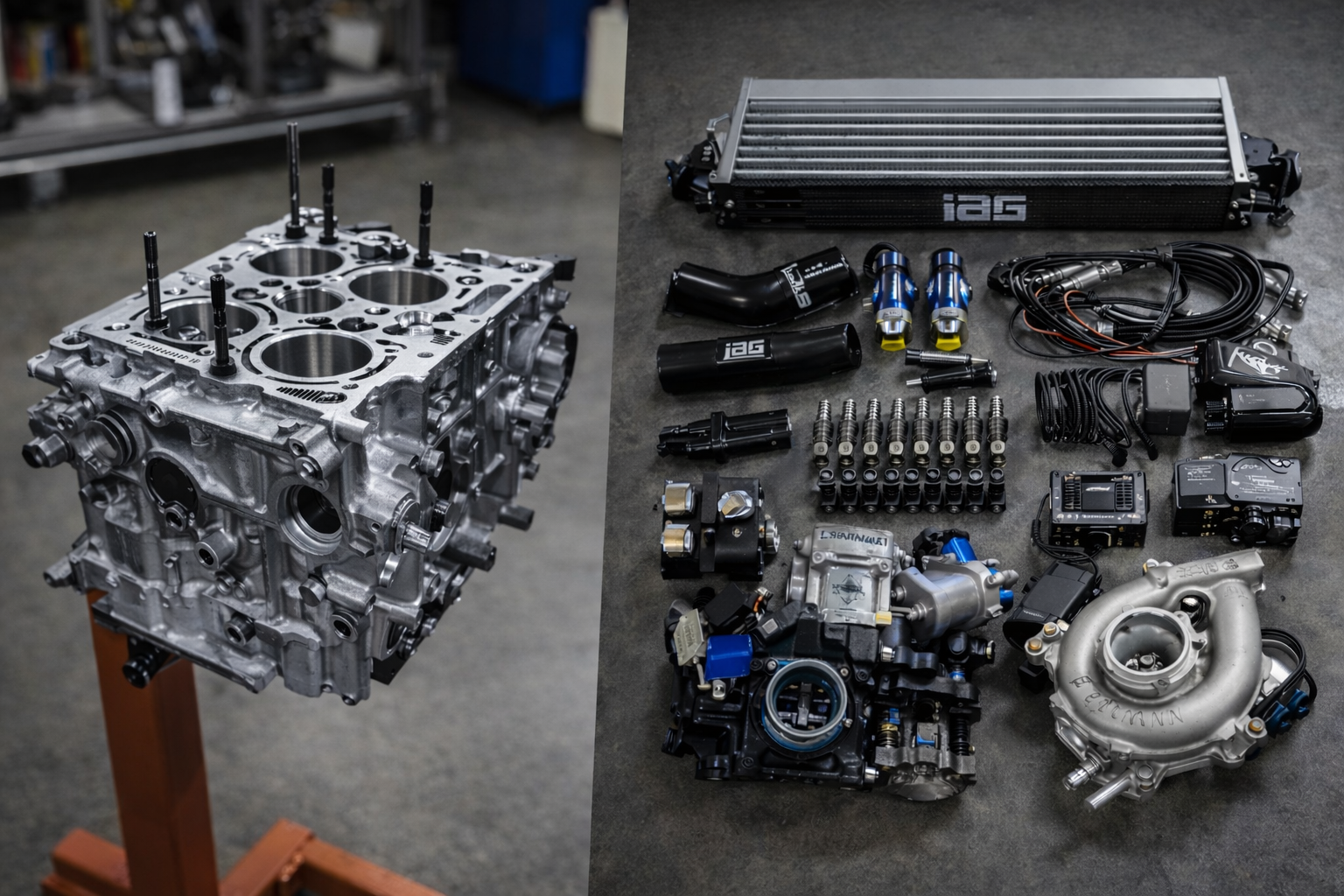
Engine Build Guides
If you are planning a WRX or STI build, these guides help explain how airflow, fueling, engine stability, and internal strength work together.
Related WRX Performance Components
To support your engine reliability path, explore the components that work together across airflow, ventilation, drivetrain stability, and engine foundation.
Stabilizing the drivetrain with performance engine mounts, improving flow with performance exhaust systems, and managing crankcase pressure through AOS and catch can systems all help create a more balanced setup.
When the build calls for a stronger engine base, IAG short blocks provide the kind of foundation that better matches serious long-term power goals.