Subaru Intake Manifold Upgrades (WRX & STI)
Upgrading the intake manifold on a WRX or STI is not about peak horsepower alone. It is about airflow distribution, throttle response, and how efficiently your engine handles boost across the RPM range.
FREE SHIPPING ON ALL ORDERS OVER $199

For many WRX and STI owners, the intake manifold is not the first modification on the list. It usually enters the conversation after the car already has supporting airflow, fueling, and tuning changes, or when the build is moving toward a more purpose-built turbo setup.
That is what makes this upgrade different from simpler bolt-ons. A billet manifold is less about chasing a quick cosmetic change and more about improving airflow path, simplifying engine bay layout, and preparing the platform for higher-performance combinations that ask more from the engine.
On EJ builds especially, manifold choice starts to matter more once packaging, turbo placement, intercooler routing, and long-term power goals all need to work together instead of fighting for space.
(Baseline WRX / STI Setup)
Factory power and basic bolt-ons
Smooth daily drivability
Balanced airflow for stock turbo setups
Limited airflow at higher boost levels
Restricts high horsepower EJ builds
(EJ Upgrade Option)
Improved airflow over stock setup
Better throttle response
Supports moderate turbo upgrades
Keeps OEM-style fitment
Still limited for high power builds
(High Power EJ Builds)
Maximum airflow for EJ engines
Improved plenum volume and distribution
Supports big turbo setups
Built for high boost and RPM
Ideal for fully built engines
An upgraded intake manifold changes how air is distributed before it enters the engine. On Subaru EJ builds, this becomes more important as airflow demand increases with turbo upgrades, higher boost levels, and more aggressive tuning.
Factory manifolds are designed for balance and drivability, but they can become a restriction as horsepower goals increase. A performance intake manifold improves airflow efficiency, helps maintain consistency across cylinders, and supports higher power setups without bottlenecking the system.
It also changes how the engine bay is laid out. Rear-facing manifolds, in particular, simplify charge pipe routing and create a cleaner, more efficient setup for builds where packaging and airflow both matter.
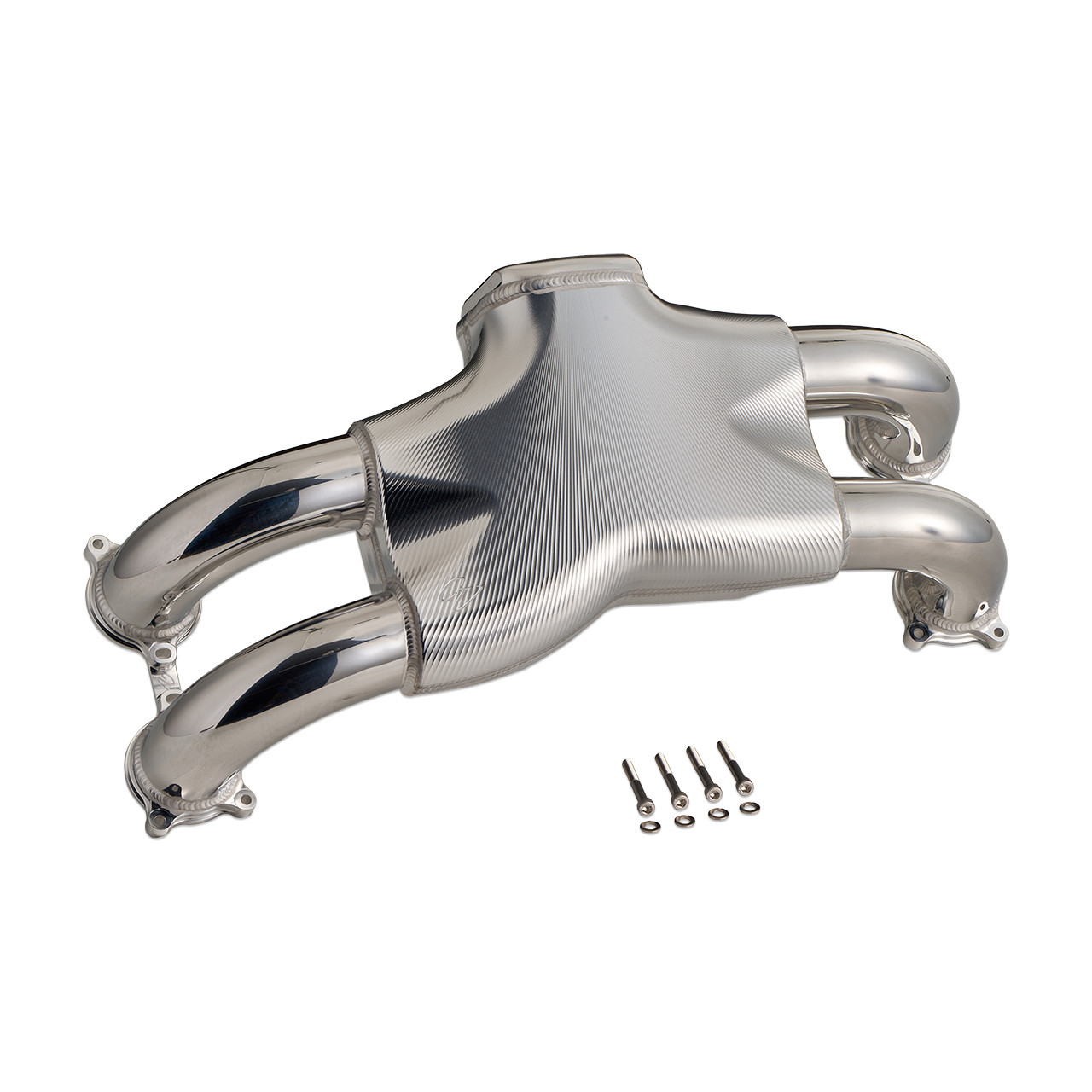
Corsa Veloce Stradale Rear-Facing EJ Billet Intake Manifold
Built for EJ setups that demand more airflow and better packaging, this billet intake manifold supports higher-performance builds where the intake system becomes a limiting factor.
WRX and STI models use different engine platforms, and intake manifold upgrades do not behave the same across them.
EJ engines benefit the most from upgraded intake manifolds, especially on higher boost and turbo builds where airflow distribution becomes critical for Subaru STI performance builds and older WRX platforms.
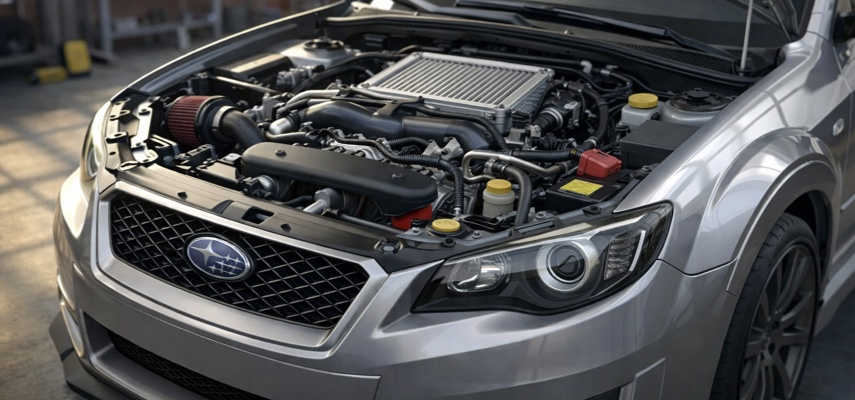
FA20 engines, commonly found in Subaru WRX models, require more careful tuning. Manifold upgrades can improve top-end airflow, but they must be paired with proper fueling and calibration.
FA24 engines improve on factory airflow design, but as builds move toward higher horsepower, intake upgrades still become relevant when paired with larger turbo setups.
Other turbo Subaru platforms like the Forester XT, Legacy GT, and Impreza follow similar upgrade principles with platform-specific differences.
Choosing the right setup depends on your engine, turbo, and overall build direction.
Not usually. This upgrade becomes more relevant as airflow demand increases with turbo and engine modifications.
On its own, gains are limited. It becomes effective when combined with turbo upgrades, tuning, and supporting mods.
Rear-facing designs simplify piping, improve layout, and support more efficient airflow on high-performance EJ builds.
It is most common on higher-performance street and track builds, especially EJ setups targeting increased horsepower.
An upgraded intake manifold works best when the rest of the setup can support increased airflow and boost demand. On EJ builds, this usually means pairing airflow improvements with stability, ventilation, and engine strength.
Upgrading to Subaru engine mounts helps control drivetrain movement under load, especially as torque increases.
Managing crankcase pressure becomes more important as well, which is where oil catch cans and AOS systems play a key role in maintaining cleaner, more consistent operation.
For builds targeting higher horsepower, planning around a stronger foundation like IAG short block solutions ensures the engine can handle increased airflow and boost safely.
At the same time, supporting airflow out of the engine with Subaru exhaust upgrades helps the entire system work more efficiently.
These upgrades are not isolated decisions. They work together as part of a complete airflow and performance strategy.
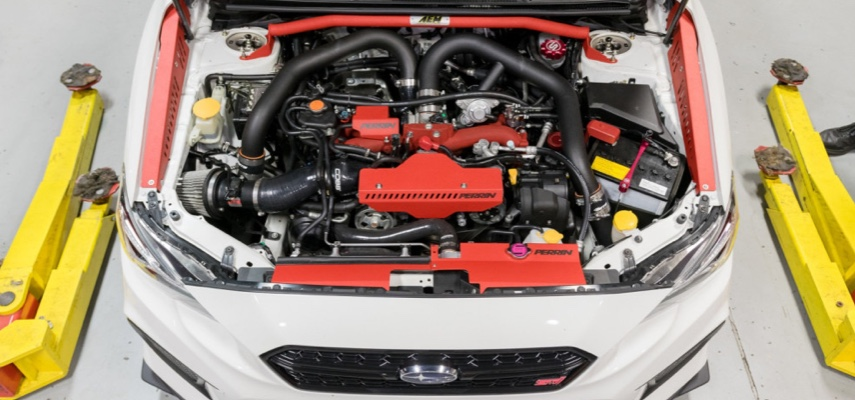
Wrench Masters focuses on Subaru performance platforms and the components that work together as a complete system.
Instead of guessing between parts, you build around combinations that match your engine, turbo setup, and long-term power goals; from daily-driven WRX setups to higher horsepower EJ builds.
Every upgrade is approached with the full build in mind, helping ensure your intake setup supports airflow, reliability, and consistent performance as power increases.
The result is not just a better part, but a setup that works together the way it should.
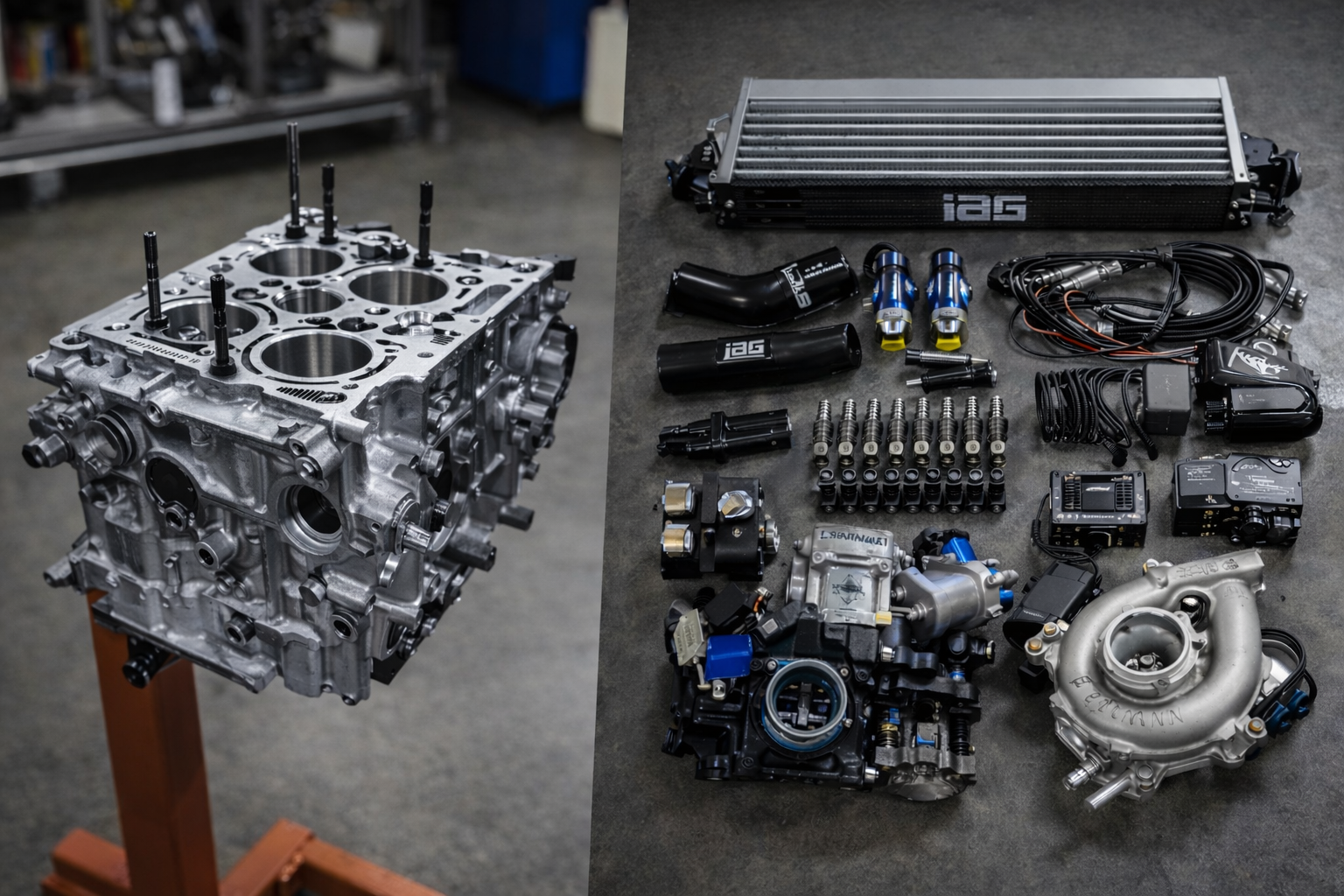
Engine Build Guides
If you’re planning a WRX or STI build, these guides explain how key upgrades work together across airflow, fueling, and engine reliability.
Related WRX Performance Components
To support your WRX upgrade path, explore the components that work together across airflow, fueling, and engine stability.
Upgrading to performance exhaust systems helps increase airflow and power, while fuel delivery components maintain safe air-fuel ratios under boost.
Pairing that with performance engine mounts improves drivetrain stability and response.