
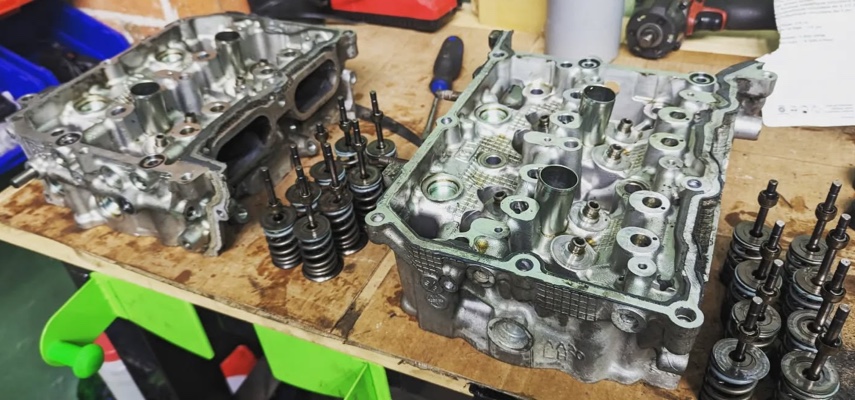

If you are comparing the FA20 and FA24 engines found in modern Subaru WRX models, you are not alone. With the introduction of the FA24 in the 2022 WRX, many owners are wondering how it compares to the earlier FA20, especially when it comes to reliability, tuning, and modification potential.
This guide breaks down the key differences in simple terms to help you understand what sets these engines apart and which one may better fit your goals.
FA20 Overview (2015–2021 WRX)
The FA20DIT powered the WRX from 2015 through 2021. It is a 2.0-liter turbocharged, direct-injected engine that quickly became popular thanks to its strong aftermarket support and proven tuning platforms.
Over the years, the FA20 has been extensively modified, tuned, and rebuilt by enthusiasts and shops alike, making it one of the most well-understood modern Subaru engines. You can explore supporting components under EFI Tuning and Forced Induction categories.
Why the FA20 Is Still Popular
- Large aftermarket support with proven parts
- Well-documented tuning strategies
- Wide range of short block and long block options
- Strong community knowledge around common upgrades
FA24 Overview (2022+ WRX)
The FA24DIT debuted in the 2022 WRX as a 2.4-liter turbocharged engine. While it shares the FA family name, it brings notable changes, including increased displacement and a different torque delivery compared to the FA20.
From the factory, the FA24 focuses more on low-end torque and drivability rather than peak horsepower, which changes how the car feels in everyday driving. Many early upgrades are centered around the COBB Tuning ecosystem as well as growing engine solutions from IAG Performance.
What Makes the FA24 Different
- Larger displacement for improved low-RPM torque
- Smoother power delivery in stock form
- Newer platform with growing aftermarket support
- Different tuning considerations compared to the FA20
Reliability and Daily Driving
Both the FA20 and FA24 can be reliable daily drivers when properly maintained and tuned. The key factor is not the engine itself, but how modifications are planned and executed.
The FA20 has the advantage of time. Common weak points, safe power levels, and supporting modifications are well understood. The FA24, while newer, has shown promising reliability so far, especially for lightly modified daily-driven setups.
Modding and Tuning Differences
From a modification standpoint, the FA20 offers more immediate options simply due to the depth of available parts and long-term tuning data.
That said, the FA24 is quickly catching up. Flex fuel upgrades and tuning solutions are already available, and engine build options are beginning to expand. Many builds also require supporting upgrades in Fuel Delivery systems to safely handle ethanol blends and higher boost levels.
Examples of common upgrade paths include:
- FA20 Flex Fuel Upgrades for 2015–2021 WRX models
- FA24 Flex Fuel Upgrades for 2022+ WRX models
Engine Build and Upgrade Options
When it comes to internal engine upgrades, the FA20 currently has far more established options. Built short blocks and long blocks are widely available for a range of power goals, from moderate street builds to fully built track-focused engines.
The FA24 is newer to the performance market, but high-power solutions are already emerging for owners planning more serious builds under the broader Engine Components category.
For EJ-based Subaru builds or higher horsepower conversions, closed-deck options such as the IAG 950 EJ25 Closed Deck Short Block and the IAG 1150 Closed Deck Short Block are common upgrade paths for Subaru builds targeting significantly higher horsepower levels.
These upgraded short blocks are engineered to handle higher boost pressures, increased cylinder pressure, and the additional stress created by larger turbochargers and aggressive tuning strategies.
- Browse Subaru Short Block Options
- Explore Performance Engine Mounts
- Shop Performance Exhaust Systems
- FA24 Built Short Block (IAG)
Planning an Engine Build?
If you’re planning a higher-horsepower FA20 or FA24 build, selecting the right short block and supporting components is critical to long-term reliability and safe power delivery.
Supporting Mods for Higher Power Builds
As power levels increase through turbo upgrades, ethanol fueling, or built engines, supporting components become increasingly important. Many WRX and STI builds combine reinforced engine mounts with improved airflow components such as performance exhaust systems to support higher horsepower setups.
For builds targeting significantly higher power levels, upgrading the turbocharger becomes a common next step. Larger units such as the Boost Lab TD06SL2 turbocharger are designed to move more air and support builds approaching the 500 horsepower range when paired with proper fueling and engine internals.
Combining proper airflow upgrades with stronger engine internals and reliable tuning helps ensure the engine can safely handle increased boost pressure and horsepower targets.
Ready to Upgrade Your WRX?
Whether you’re upgrading for flex fuel, planning a built engine, or optimizing your current setup, the right components and tuning strategy make all the difference.
If you plan to increase boost or modify turbo performance, understanding how pressure is controlled becomes important. Our boost control guide explains how WRX and STI turbo systems manage airflow and power delivery.