
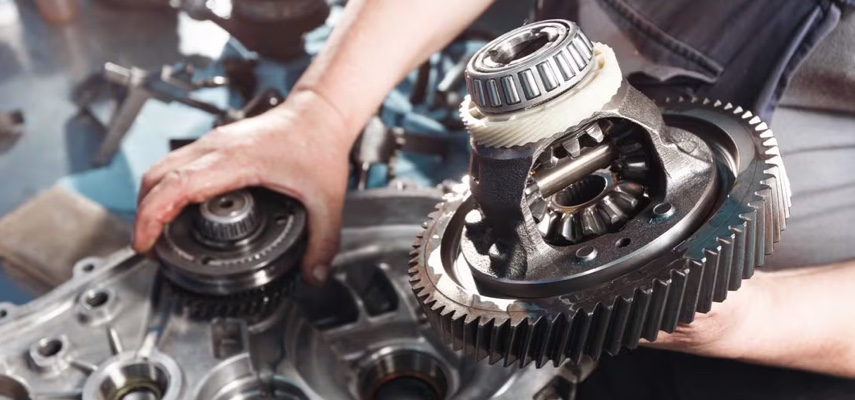

A built transmission is one of the most debated upgrades in the Subaru world. Some builds break gearboxes early, while others survive years of hard driving on stock internals. The difference usually comes down to how the car is driven, how torque is delivered, and how the drivetrain is set up as a whole.
This guide explains when a built transmission actually makes sense for a WRX or STI, what signs indicate the stock unit is reaching its limit, and how to plan drivetrain upgrades without overbuilding.
What “Built Transmission” Really Means
A built transmission typically means upgraded internal components such as strengthened gears, improved synchros, and reinforced bearings designed to handle higher torque and repeated shock loads. The goal is not just higher peak power, but durability under real-world use.
In many cases, failures happen not because of horsepower alone, but because the transmission is repeatedly shocked by aggressive launches, harsh clutch engagement, or sudden torque spikes.
Why WRX and STI Transmissions Fail
Transmission failures are rarely random. They usually happen when driving style, power delivery, and supporting components stack up in a way the stock gearbox was not designed to tolerate.
- Aggressive launches that shock the drivetrain
- High torque at low RPM, especially with sudden boost onset
- Clutches with overly aggressive engagement transferring shock into the gears
- Repeated hard pulls and fast shifts without mechanical sympathy
- Power upgrades such as larger turbos or performance exhaust systems added without planning the drivetrain as a system
This is why two cars with similar power levels can have very different outcomes. The transmission experiences torque, shock, and heat, not just peak dyno numbers.
Power Level Matters Less Than Driving Style
One of the biggest misconceptions is that a specific horsepower number automatically requires a built transmission. In reality, driving style plays a much larger role. A daily-driven WRX with moderate power and smooth engagement can live a long life on a stock transmission, while a lower-power car that sees frequent launches and aggressive shifting may not.
This is also where clutch choice becomes critical. Extremely aggressive clutch setups can transfer shock directly into the gearbox. If you are comparing options, our clutches category is a good place to start, and pairing the clutch with the right flywheel can also change how harshly the drivetrain is loaded.
WRX vs STI Transmission Differences
WRX and STI transmissions are built with different philosophies. STI transmissions are generally stronger and more tolerant of abuse, which is why they are often associated with higher power builds. That said, no transmission is immune to poor setup or abusive driving, and even strong gearboxes can fail when shock loads and torque spikes are constant.
When a Built Transmission Starts to Make Sense
A built transmission becomes a reasonable consideration when multiple factors line up, not just when chasing a number.
- You regularly launch the car or drag race
- The car sees frequent track use or aggressive driving for long stretches
- Torque delivery has been significantly increased, especially down low
- You have already experienced gear damage, grinding, or consistent synchro issues
- The build goal prioritizes durability and repeatability over comfort
If the build is already pushing drivetrain components hard, upgrading the transmission can become a preventative reliability move rather than a reactive one.
Supporting Mods That Help Transmissions Live Longer
Many “transmission problems” are really drivetrain setup problems. Before jumping straight to a built transmission, it helps to evaluate the parts that affect shock loading and drivetrain stability. The biggest supporting areas are clutches, engine mounts, and drivetrain bushings, all of which influence how power is transferred.
If your car has harsh engagement or inconsistent shifting feel, reviewing common drivetrain upgrades can help you build a setup that is easier on the gearbox without sacrificing performance.
Product Picks That Pair Well With Drivetrain Planning
A built transmission is a big step, but many builds start by tightening up shifting feel and reducing drivetrain slop. That usually begins with small parts that improve consistency and reduce shocky engagement. If you are building out your drivetrain plan, it’s worth browsing shifters and shifter bushings alongside clutches and flywheels.
For drivers who want a more complete approach, starting with a quality clutch kit can make a big difference in how smooth power is transferred. Our clutch kits selection includes options designed for different driving styles, from street-focused upgrades to higher-torque builds.
How This Ties Into Engine Builds
Transmission reliability is closely tied to engine setup and torque delivery. Engines that make power smoothly tend to be easier on drivetrains than setups with sudden torque spikes. If you are comparing platforms or planning your build path, our post on FA20 vs FA24: What WRX Owners Should Know helps explain why torque delivery and driving style matter as much as peak numbers.
If your build goal is higher output, supporting systems often matter just as much as the big parts. Many higher horsepower builds start with reinforced internals like the IAG Performance short block lineup, which increases torque capacity and places additional demand on the transmission and drivetrain. Exploring categories like fuel pumps and forced induction can help you plan upgrades in a way that keeps power delivery predictable.
Common Mistakes That Lead to Transmission Failure
Many failures come from decisions made earlier in the build process. Choosing a clutch that is too aggressive for street use, ignoring drivetrain limits while focusing only on engine mods, assuming horsepower alone determines reliability, or skipping break-in procedures can all shorten transmission life.
Another common issue is upgrading power in a way that produces big torque early in the RPM range, often through aggressive tuning, turbo setups, or exhaust upgrades that increase airflow without properly preparing the drivetrain.
Final Thoughts
Not every WRX or STI needs a built transmission. Many stock units live long, reliable lives when paired with the right clutch, driven with mechanical sympathy, and supported by a well-planned build.
A built transmission makes the most sense when durability, repeated abuse, and long-term reliability are part of the goal. If you are planning drivetrain upgrades, start by evaluating the full system, then build toward the level of reinforcement your driving style actually demands.