
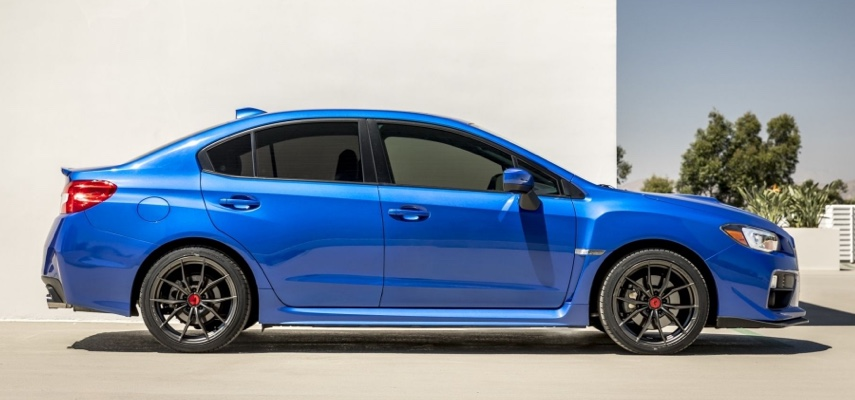

If you drive a WRX and you’re chasing a better stance, sharper turn in, and more confidence on rough streets, you’ll eventually land on the same question: coilovers or lowering springs? Both can transform the car, but they solve the problem in very different ways, and picking the wrong one usually means a harsh ride, annoying noises, or handling that feels worse than stock.
This guide breaks down how each option actually changes your WRX, when each one makes sense, and what to pair it with so the car stays balanced.
Quick answer for WRX owners
Lowering springs are best when you want a mild drop, improved looks, and a modest handling bump with stock like comfort. They are the simplest path if you daily the car and do not want to chase adjustments.
Coilovers are best when you want control: height tuning, damping adjustment, corner balancing potential, and the ability to tailor the car for street, canyon, or track. They reward a proper install and setup, but they demand more attention.
If you want to browse the options while you read, start here: Coilovers and Lowering Springs. For bundled setups, check Suspension Packages.
What lowering springs change
Lowering springs replace only the springs and reuse your factory struts. The primary changes are:
- Lower center of gravity, which can reduce body roll slightly.
- Higher spring rate than stock, so the car feels tighter in transitions.
- Fixed drop, you get the height you get.
The big tradeoff is that your factory struts were not designed for shorter, stiffer springs. Some combos feel great for a while, then ride quality degrades as the struts wear faster. Done right, springs are a solid daily upgrade. Done wrong, they can feel bouncy or underdamped.
A clean, WRX specific example is COBB Lowering Springs for WRX 2022 to 2025. If you like the idea of a matched setup instead of piecing parts together, look at COBB Daily Driver Suspension Package for WRX 2022 to 2025 and the broader COBB Tuning lineup.
What coilovers change
Coilovers replace the strut and spring as a unit, and most performance oriented kits add adjustability. The typical changes are:
- Height adjustability so you can dial the stance without guessing.
- Damping adjustment on many kits, letting you tune comfort vs control.
- Better matched valving for stiffer spring rates than stock.
- More potential grip when the suspension is kept in its ideal range.
The tradeoff is that coilovers require a real setup mindset. If you slam the car with no thought to travel, bump stops, and alignment, it will ride poorly and handle worse. Coilovers are not automatically better, they are better when they are adjusted correctly.
If you want to see what this looks like on a WRX, these are WRX and STI fitment examples from BC Racing:
- BC Racing BR Extreme Low Coilovers for Subaru Impreza WRX STI 2002 to 2007
- BC Racing Extreme Low BR Coilovers for Subaru Impreza WRX STI 2008 to 2011
Suspension setup principles remain consistent across different chassis, but fitment and setup details always vary by platform. If you are researching options beyond the WRX, you can browse by category via Coilovers and narrow down by vehicle fitment from there.
Ride quality and daily driving
For most WRX daily drivers, ride quality is the deciding factor.
Lowering springs usually keep the factory refinement, as long as the drop is not extreme. You’ll feel a firmer response over bumps, but the car still behaves like a factory engineered system. For commuting, rough roads, and long drives, springs are often the safest bet.
Coilovers can be comfortable, but comfort depends on the kit, spring rates, damper quality, and your settings. A well tuned coilover setup can ride surprisingly well. A poorly adjusted setup can feel crashy, noisy, or too stiff for street use.
If you want a “set it and forget it” daily setup for WRX 2022 to 2025, the easiest path is a matched package like COBB Daily Driver Suspension Package.
Handling, grip, and balance
Both options can improve handling, but they improve it in different ways.
Lowering springs primarily reduce body roll and tighten the initial response. The car feels more planted. The improvement is real, but it’s limited by the stock struts and the factory alignment range.
Coilovers unlock more tuning. You can optimize ride height for suspension geometry, adjust damping to control weight transfer, and corner balance in advanced setups. That’s why coilovers are the common choice for track focused builds.
No matter which route you choose, consider sway bars as the “balance” tool. They can reduce roll and help fine tune understeer vs oversteer without forcing the ride to be harsh. For VB WRX drivers, these are strong complements:
Adjustability and how much you actually need
Ask yourself one honest question: are you going to use adjustability?
If you are not going to tweak settings, measure heights, or revisit alignment, springs often make more sense. They are simpler, cheaper, and there is less room to end up with a “technically upgraded” setup that drives worse.
If you like dialing things in, or your goals may change, coilovers are worth it. Examples:
- You want a mild drop now, but might go lower later.
- You want a softer street setup, then a firmer autocross setting.
- You want to correct corner weights after adding mods.
To explore options across the store, start with Coilovers and Suspension Packages.
Cost, installation, and long term upkeep
Lowering springs typically cost less up front, but do not ignore the full job:
- Install labor can be similar to coilovers because struts still come out.
- An alignment is mandatory.
- If the factory struts wear prematurely, you may pay again later.
Coilovers cost more, but they often include the matched damper and spring. You still need:
- A proper alignment.
- Periodic checks on ride height, preload, and hardware torque.
- More attention to clunks and noises if parts are not installed or adjusted correctly.
Either way, do not skip the alignment. A lowered WRX with a bad alignment can feel twitchy, chew tires, and lose the handling gains you paid for.
Alignment basics for a lowered WRX
Lowering changes camber, toe, and sometimes caster. A few practical notes:
- Toe matters most for tire wear. If you lower the car and drive without correcting toe, tires can disappear fast.
- More negative camber can help grip but can also increase inner tire wear if you daily the car hard on highways.
- Lower is not always better. If you reduce travel too much, the car hits bump stops, rides worse, and loses grip on imperfect roads.
If your goal is daily comfort and reliable performance, a mild drop with a quality alignment is usually the sweet spot.
So what’s best for your WRX?
Here are simple recommendations that match real use cases.
Choose lowering springs if:
- You daily the WRX and want a tasteful drop.
- You want improved response without constant tinkering.
- You prioritize comfort and low maintenance.
A strong VB WRX example is COBB Lowering Springs for WRX 2022 to 2025, especially when paired with sway bars like COBB Front Sway Bar and COBB Rear Sway Bar.
Choose coilovers if:
- You want height and damping adjustability.
- You plan to autocross, track, or aggressively drive back roads.
- You want maximum control over stance and handling balance.
Start with the store’s Coilovers category and check fitment carefully. If you’re looking at BC Racing specifically, browse BC Racing and WRX fitment examples like BR Extreme Low for 2002 to 2007 or Extreme Low BR for 2008 to 2011.
Don’t forget the supporting mods that make suspension feel “right”
Suspension mods work best as a system. A few supporting pieces often deliver the “this feels dialed” result:
- Sway bars to control roll and balance the chassis, especially on the VB WRX with COBB Tuning options.
- Endlinks when you upgrade sway bars, since worn or flexy links can dull the effect. Browse Sway Bar Endlinks.
- Packages when you want matched parts without guesswork, see Suspension Packages.
Also, more grip can reveal weak points elsewhere. If you’re adding traction and launching harder, drivetrain parts can become the next bottleneck. Supporting upgrades like engine mounts help control drivetrain movement and keep power delivery consistent under load. If you’re building a higher torque setup, it can be worth browsing Competition Clutch or ACT as part of a long term plan.
Bottom line
If you want a clean stance, sharper response, and better daily driving feel without constantly adjusting settings, lowering springs are usually the smartest first step for most WRX owners. They improve looks and handling while keeping the car comfortable and predictable.
If you want full control over ride height, damping, and overall balance, coilovers offer a higher performance ceiling. They allow you to fine tune the car for street, canyon runs, or track use. Just remember that adjustability only pays off if you’re willing to set them up correctly.
No matter which route you choose, think in terms of a balanced system. Suspension works best when paired with proper alignment, quality sway bars, and realistic ride height goals. Lower does not always mean better.
The right choice comes down to how you actually use your WRX: daily comfort with improved stance, or maximum control with tuning flexibility. Choose the setup that matches your driving style, not just the look you want.