
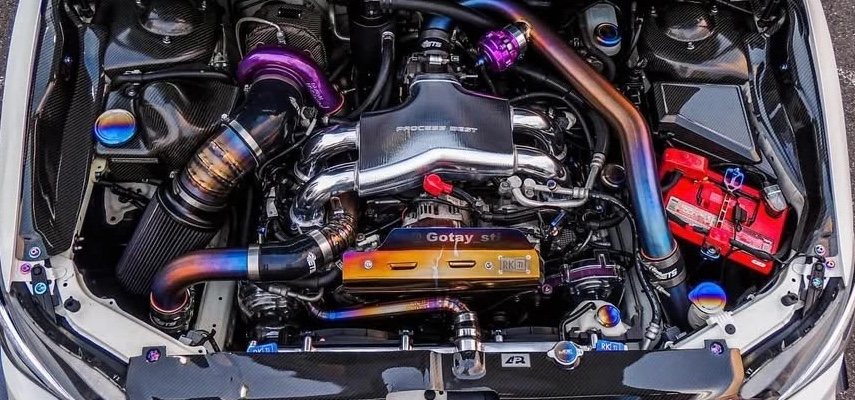

The most common big turbo WRX mistake is installing the turbo before the car is ready for it. A bigger turbo on an unprepared build does not make more power reliably. It makes expensive failures happen faster. Every component in the supporting system has to match what the turbo can produce, or the weakest link fails first.
This is the complete supporting mod checklist for Subaru WRX owners planning a serious big turbo build. Each section covers what the mod does and why it is required at this power level.
Start With the Right Turbo
The turbo sets the ceiling for everything else in the build. The supporting mods need to be sized to match the turbo output, not the other way around. Choosing the turbo first gives you a clear target for every other decision on this list. Browse turbo upgrades for WRX to compare options, or check the WRX turbo upgrade guide for a breakdown of what each tier delivers.
For 2022 and newer WRX owners on the FA24F platform, the IAG 600 Ball Bearing Turbocharger for 2022+ WRX FA24F is the most complete bolt-on turbo kit available for that platform specifically.
Engine Internals: The Foundation Everything Sits On
The stock FA20 has a power ceiling. A big turbo will push past it. At serious power levels the block becomes the weak point, not the turbo or the tune. Cylinder wall flex, spun bearings, and head gasket failures are the result of running big power on stock internals.
A built short block is not optional for a reliable big turbo build. It is the foundation the rest of the build sits on. Our post on how much power the stock FA20 can handle covers exactly where that ceiling sits. When the build is ready to go past it, IAG short blocks for WRX and STI are the purpose-built solution. For a full breakdown of what each IAG block can handle, the post on how much power an IAG short block can handle covers both the 950 and 1150 in detail.
For entry-level street builds stepping up from stock internals, the IAG 550 EJ25 short block guide for WRX and STI covers forged internals for street builds up to 550 BHP. For mid-level builds, the IAG 750 EJ25 closed deck short block guide covers what it supports and who should build it.
For serious street and track builds, the IAG 950 EJ25 closed deck short block guide covers what it supports and who should build it. For builds targeting the highest power levels, the IAG 1150 EJ25 closed deck short block guide covers whether it is the right build for your goals. For STI owners choosing between IAG build levels on the EJ257, the IAG short block for Subaru STI guide covers which build level is right for your setup.
Hardware upgrades are equally important at big turbo power levels. ARP head studs are one of the most critical additions for preventing head gasket failures under sustained boost. The ARP head studs guide for WRX and STI covers why they matter and which kit to run. For owners running wider wheels or tracking the car at this power level, ARP wheel studs are another worthwhile hardware upgrade. The ARP wheel studs guide for WRX and STI covers why they matter and which kit to run.
On the drivetrain side, a big turbo build needs a clutch that can handle the added torque. For STI owners running the ACT HD kit, the ACT HD Street Sprung clutch kit guide for Subaru STI covers what it is and who should run it. For STI owners needing more holding capacity, the Competition Clutch STI Stage 2 guide covers when you need more than the ACT kit.
On the fuel side, for builds requiring more fuel volume than the standard drop-in pump can deliver, the AEM 340LPH 65mm fuel pump kit guide covers why serious builds skip the drop-in.
On the cooling side, the Mishimoto aluminum radiator guide for WRX and STI covers what it does and when to upgrade at higher power levels. For 2015 and newer WRX owners specifically, the Mishimoto aluminum radiator guide for 2015+ WRX covers what changes on that platform and when to upgrade.
On the exhaust side, the Invidia stainless downpipe guide for WRX covers the divorced wastegate and high flow cat explained.
For a dedicated look at STI-specific engine failures and how built internals prevent them, the most common Subaru STI engine failures guide covers the EJ257 platform in detail.
For STI owners pairing a built short block with a turbo upgrade, the Boost Lab TD06SL2-54X guide for Subaru STI covers STI-specific fitment and what the build needs to support it. For a complete breakdown of every STI turbo upgrade option by power goal, the best turbo upgrades for Subaru STI guide covers where to start and what to budget.
For builds running an external wastegate setup, the Turbosmart external wastegate guide for WRX and STI covers what it does and which setup is right for your build. Before pushing past stock limits, understanding what the stock EJ257 can actually handle is critical. The stock STI power limits guide covers EJ257 limits and what breaks first. Managing crankcase pressure is equally important at big turbo power levels. The post on the best oil catch cans for WRX and STI covers what to look for and which systems work best on boosted Subaru platforms.
Fueling: Injectors and Fuel Pump
A big turbo demands significantly more fuel. Stock injectors and the stock fuel pump both hit their limits well before a big turbo does. Running out of fuel at high boost is not a tuning problem. It is a hardware problem, and it causes detonation and engine damage.
Both injectors and fuel pump need to be addressed together. Upgrading one without the other creates a new bottleneck. The fuel pumps vs injectors guide breaks down which upgrade matters more depending on where the build is headed. And if you are not sure yet whether your build actually needs bigger injectors, the post on when you need bigger injectors on a WRX gives a clear answer based on power level.
For a complete look at what the stock fuel system can handle before upgrades become necessary, the stock WRX and STI fuel system limits guide covers exactly where those limits sit. For builds requiring upgraded fuel rails, lines, and a regulator alongside injector upgrades, the COBB fuel rails, line kit, and regulator guide for STI covers what the kit includes and when it becomes necessary. For builds requiring even more fuel volume than the inline drop-in can deliver, the AEM 380LPH inline fuel pump guide for WRX and STI covers why serious builds step up to the inline pump.
The Tune: Non-Negotiable
A big turbo on a stock or outdated tune destroys engines. The ECU needs to manage boost, fueling, and timing for the specific combination of parts in the build. Without a proper tune, the car runs rich, lean, or pulls timing at the worst possible moment.
The tune is not a finishing step. It is a prerequisite. Every other mod on this list performs as well as the tune supporting it. Understanding what EFI tuning does for your WRX explains exactly what changes when a proper tune is in place and why it matters so much at high power levels.
Exhaust: The System Has to Flow
A big turbo moving serious air needs an exhaust system that can flow it out. An undersized exhaust creates backpressure that limits what the turbo can do and raises exhaust temps. The turbo cannot spool efficiently if the exhaust is choking it downstream.
For a big turbo build, the downpipe is the priority exhaust upgrade. A turboback is the complete solution when the build demands it. Browse WRX exhaust upgrades to see available options. The downpipe vs catback vs turboback guide covers which option makes the most sense at each stage of the build. STI owners addressing exhaust flow as part of a big turbo build can find the full breakdown in the Subaru STI exhaust upgrades guide, which covers downpipe, catback, and turboback options for the EJ platform. For a full breakdown of what the Boost Lab TD06SL2-54X delivers on both the WRX and STI platform and whether it fits your build, the Boost Lab TD06SL2-54X guide for WRX and STI covers power numbers, fitment, and supporting mod requirements.
Intake: Match the Airflow In
The intake feeds the turbo. A stock airbox that was adequate for the factory turbo becomes a restriction point when a larger unit is pulling more air. The intake needs to flow enough to match what the bigger turbo demands.
This is not the most dramatic upgrade on the list, but it is part of a complete build. Restricting airflow into the turbo limits what the turbo can do on the other side. Browse WRX air intake upgrades for available options, or read the WRX intake upgrades guide for a breakdown of cold air vs short ram at this power level. For a dedicated look at intercooler options by boost level and build stage, the best intercooler upgrades for Subaru WRX and STI covers every popular option. STI owners planning a big turbo build can find the full forced induction upgrade path in the STI turbo and airflow upgrades guide.
For owners planning a built engine as the foundation, understanding closed deck architecture is essential before choosing internals. The closed deck engine guide for WRX and STI explains what makes it stronger and when it becomes necessary. For a dedicated look at fuel pump requirements at big turbo power levels, the AEM 340LPH fuel pump guide for WRX and STI covers what it supports and when you need it.
For owners still mapping out the full build plan, the common mistakes WRX and STI owners make when choosing engine parts covers the most costly planning errors to avoid before a big turbo goes in.
For a complete look at managing heat across the full forced induction system, the WRX cooling mods guide covers radiator, intercooler, and oil cooler upgrades and when each becomes necessary.
Engine Mounts: Controlling the Power
More torque means more engine movement. A built motor producing big power on stock mounts transfers stress directly to the drivetrain and block on every hard pull. Stock mounts are designed for stock power levels. At big turbo power, they are not up to the job.
Upgraded engine mounts are a required supporting mod at serious power levels. They keep the drivetrain stable, reduce stress on the block, and improve throttle response under load. Browse engine mounts for WRX and STI to find the right option for the build. The post on how engine mounts affect WRX performance covers exactly what changes when you upgrade them.
Drivetrain: Clutch and Transmission
A big turbo build puts serious load on the clutch and transmission. Stock components have limits, and those limits drop fast when torque increases significantly. A clutch that handles stock power slips under big turbo torque. A transmission that survives stock abuse can crack cases under sustained high-power launches.
Drivetrain upgrades become necessary as power climbs. The built transmission guide for WRX and STI covers when the transmission becomes the limiting factor. And if the clutch has not been addressed yet, the post on when to upgrade your WRX clutch gives a clear answer based on power level and driving style.
Build in the Right Order
The sequence matters as much as the parts list. Building out of order wastes money and risks damage. Here is the logical build order for a reliable big turbo WRX:
Start with the block. A built short block is the foundation — every other mod is limited by what the engine can handle. Next, address fueling and the tune together. The fueling hardware needs to be in place before the tune can be written correctly. Then install the turbo with the exhaust and intake ready to match it. Engine mounts and drivetrain upgrades should be in place before big power is consistently put down.
Building in this order means each upgrade has the support it needs to perform reliably. Skipping steps creates weak points that show up at the worst possible moment. The WRX turbo build hub is a good starting point for mapping out the full build, and the WRX engine reliability guide covers how supporting modifications work together to protect the engine long term. STI owners planning the full build path can find the complete engine build and power goals breakdown in the STI engine build and power goals guide.
For STI owners comparing the EJ207 and EJ257 platforms before committing to a build, the EJ207 vs EJ257 guide covers what STI owners should know. For owners comparing the EJ257 to the newer FA24 platform, the EJ257 vs FA24 guide covers what Subaru owners should know.