A turbo inlet upgrade often gets sold on the promise of better throttle response, and it is easy to see why that claim spreads. A bigger opening sounds like it should mean quicker response, the same logic that applies to a lot of intake and exhaust upgrades. The reality on a WRX or STI is more specific than that, and understanding what a turbo inlet actually does helps set realistic expectations before buying one expecting a dramatic change in how the car feels off boost.
Why This Claim Spreads So Easily
Bigger openings do matter for airflow in general, and that is true enough to make the throttle response claim sound plausible. Intake upgrades, exhaust upgrades, and inlet upgrades all get marketed with similar language, more airflow, quicker response, sharper feel. The problem is that airflow capacity and throttle response are not the same thing, and conflating them leads to a lot of disappointed expectations once a part gets installed and the car feels the same as before at part throttle.
A turbo inlet sits upstream of the compressor, delivering air to the turbo rather than controlling how quickly that turbo spools or how the ECU manages boost onset. Widening that opening raises a ceiling. It does not change what happens below that ceiling, which is where most everyday throttle response actually lives.
What a Turbo Inlet Actually Does
The turbo inlet is the piece connecting the intake tract to the compressor housing, delivering filtered air to the turbo. Its job is airflow delivery, not airflow control. Widening that opening increases the ceiling on how much air can reach the compressor, but it does not change how quickly the turbo spools or how the engine responds to throttle input in everyday driving.
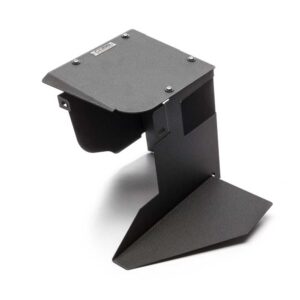
On the FA20 platform specifically, the more common reason to replace the factory inlet is not performance at all, it is reliability. The factory piece is plastic and prone to cracking after years of heat cycling, and a cracked inlet or connector creates an air leak that throws off the tune’s airflow assumptions. The post on the COBB cast aluminum turbo inlet for FA20 WRX covers that durability issue directly, along with the airflow specs of the upgraded piece.
What Actually Controls Throttle Response
Throttle response on a turbocharged engine comes down to how quickly the turbo builds usable boost after the throttle opens, and that is governed by a different set of factors entirely. Turbine housing size plays the biggest role, a smaller turbine spools faster at the cost of top end airflow, while a larger one trades quicker response for more headroom at higher RPM. Wastegate control and boost curve shape also matter, since how a tune manages boost onset directly shapes how the car feels the moment the throttle opens.
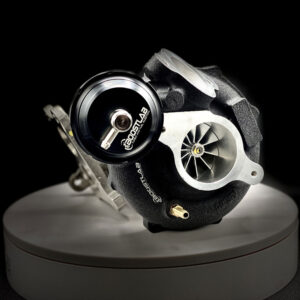
ECU mapping ties all of this together. A tune that is not calibrated well around the actual hardware installed can make even a well matched turbo setup feel sluggish off the line, while a properly calibrated tune can make a stock setup feel sharper than expected. The post on stock turbo vs upgraded turbo on WRX and STI covers how turbo sizing specifically shapes the response and power tradeoff most people are actually asking about when they say they want better throttle response.
Boost Control Plays a Bigger Role Than Most People Expect
How boost comes on, gradually or aggressively, smooth or with a spike, has a direct effect on how responsive a car feels even before peak boost is reached. A wastegate that is not controlled precisely can create inconsistent boost onset, which reads as unpredictable throttle response even on a car with an appropriately sized turbo. The post on how boost control and forced induction work on WRX and STI covers this relationship in more depth, and it is often a more overlooked factor than turbo or inlet sizing when someone is chasing better response.
Tuning Ties Everything Together
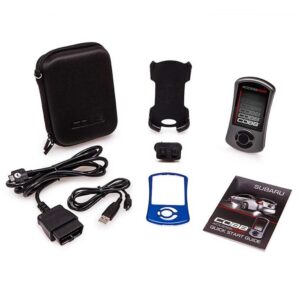
None of the hardware factors above matter much without a tune calibrated to actually use them. A turbo, wastegate, and inlet all working correctly can still feel sluggish if the tune governing boost onset and timing was not built around that specific combination of parts. The post on COBB Accessport for WRX and STI, what it does and is it worth it covers how tuning fits into this picture, and why hardware changes without a corresponding tune update rarely deliver the response improvement people expect.
Where an Inlet Upgrade Does Help
None of this means an inlet upgrade is pointless. On a build where airflow demand has increased, whether from a bigger turbo, more aggressive tuning, or higher boost targets, a restrictive stock inlet can become a real limiting factor at the top of the airflow curve. In that context, a larger inlet removes a genuine restriction rather than creating a placebo effect. The difference is that this shows up as more available airflow at higher RPM and boost, not as a change in how quickly the car responds to the throttle at part throttle or low boost.
For anyone specifically chasing quicker spool and sharper response rather than more top end power, the post on best turbo upgrades for Subaru WRX covers how turbine sizing choices actually trade off spool speed against peak airflow, which is the more direct lever for the outcome most people are actually after.
Putting It All Together
The honest answer is that a turbo inlet upgrade is a supporting piece, not the lever that drives throttle response on its own. Turbine sizing, boost control, and tuning do the heavy lifting. An inlet upgrade matters once those other pieces are already in place and airflow demand has grown past what the stock piece can deliver, and on the FA20 platform it also matters simply because the stock piece is a known reliability weak point regardless of power goals.
The WRX turbo and airflow upgrades hub covers how inlet, turbo, intercooler, and boost control choices fit together as a complete system, and the WRX bolt-on upgrades hub covers where tuning and supporting mods fit into a build sequence before or alongside a turbo-focused upgrade path.
Frequently Asked Questions
Will a turbo inlet upgrade make my WRX feel quicker off the line?
Not directly. Throttle response depends more on turbine sizing, boost control, and tuning. An inlet upgrade increases airflow capacity, which matters more at higher RPM and boost than at part throttle response.
Is a turbo inlet upgrade worth it if I am not chasing more power?
Often yes, but for a different reason. On the FA20 platform, the factory plastic inlet is prone to cracking over time, so a cast aluminum replacement addresses a real reliability concern independent of any performance goal.
What actually improves throttle response on a WRX or STI?
Turbine sizing, wastegate and boost control setup, and a tune calibrated for the actual hardware installed all play a larger role than any single bolt-on part. Changes to any of these tend to have a more direct effect on response than an inlet upgrade alone.
Does a bigger turbo always mean slower response?
Generally yes, to some degree. Larger turbine housings trade some spool speed for higher airflow ceilings, which is why turbo sizing decisions usually come down to prioritizing either response or peak power rather than maximizing both at once.