


Updated October 2026
The best bolt-on mods for an FA20 Subaru WRX (2015 to 2021) are an ECU tune first, then intake and exhaust upgrades, an upgraded intercooler, and supporting fuel, cooling, and drivetrain parts as power climbs. A tune, usually through a COBB Accessport, delivers the biggest single gain and is needed to get the full benefit from every other bolt-on. An air oil separator and engine mounts do not add power, but they protect long-term reliability and improve how the car feels under load.
Unlike full engine builds, bolt-on modifications focus on improving airflow, fuel delivery, cooling, and drivetrain stability without opening the engine itself. For many WRX owners, this is the ideal starting point when building a faster and more responsive car.
Driving a 2022 or newer WRX? That generation uses the FA24 engine, so parts, fitment, and power limits are different. The FA24 power guide covering stock and built output explains what that platform makes at every stage, and the IAG 600 Ball Bearing Turbocharger guide for 2022+ WRX FA24F covers the most complete bolt-on turbo upgrade for it.
If you are exploring upgrades for your platform, you can start by browsing the full lineup of parts available for the Subaru WRX, where many of these bolt-on components are commonly used together.
Best FA20 WRX Bolt-On Mods at a Glance
The table below lists the most common FA20 WRX bolt-ons in the order most owners install them, along with whether each one needs a tune to work properly.
| Bolt-on mod | What it does | Tune needed? |
|---|---|---|
| ECU tune (COBB Accessport) | Optimizes boost, timing, and fueling for more power and better response | It is the tune |
| Intake | Smoother airflow into the turbo, sharper induction sound | Yes, use a matching map |
| Downpipe | Faster spool and more power from the turbo | Yes, always |
| Catback exhaust | Sound and weight savings, small power gain | Usually not |
| Top mount intercooler | Lower intake temperatures, more consistent power | Recommended |
| Air oil separator | Keeps oil vapor out of the intake for reliability | No |
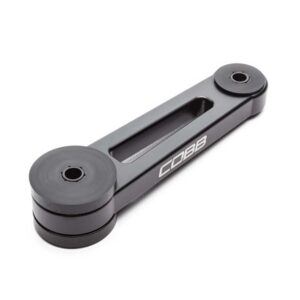
| Engine and pitch stop mounts | Less engine movement, crisper shifts and throttle | No |
| Fuel pump and injectors | Extra fuel for ethanol blends and higher power | Yes |
Many tuners group these upgrades into stages. A tune on an otherwise stock car is often called Stage 1, and adding a downpipe with a matching map is commonly called Stage 2. Everything else on the list supports those stages, either by adding airflow, controlling heat, or protecting the engine and drivetrain.
What Makes the FA20 WRX a Great Platform for Bolt-On Mods
The FA20 engine introduced direct injection and a modern turbocharged design that responds very well to airflow improvements and ECU tuning. With only a few supporting upgrades, the WRX can gain noticeable horsepower and torque.
If you’re comparing Subaru engine generations, our guide on FA20 vs FA24 engines explains the differences between these two turbocharged platforms.
However, understanding the limits of the stock engine is important before pushing power too far. Our guide on how much power stock FA20 and FA24 engines can handle explains where supporting upgrades become necessary.
What Is the Best First Mod for an FA20 WRX? ECU Tuning
The single most important upgrade for the FA20 WRX is ECU tuning. Factory calibrations are designed for emissions compliance and conservative power delivery, leaving significant performance on the table.
A proper tune optimizes boost pressure, ignition timing, and fueling to safely extract more power from the engine.
Many WRX owners start with the Accessport as their first tuning upgrade. The WRX bolt-on upgrades guide covers how the Accessport fits into the full entry-level mod stack alongside intake, exhaust, and supporting modifications.
Our guide on what EFI tuning actually does for your WRX explains how tuning unlocks performance from the FA20 platform.
For a full breakdown of what the Accessport does and how it manages the full bolt-on mod stack, the COBB Accessport guide for WRX and STI covers map selection, tuning strategy, and compatibility. Owners looking to customize the look of their Accessport, the COBB Accessport faceplate guide for WRX and STI can see what it is and why owners upgrade it in that guide. STI owners building out a bolt-on setup can find the full upgrade path in the STI bolt-on upgrades guide.
Intake Upgrades for the FA20 WRX
An intake upgrade replaces the restrictive factory airbox and tubing with a smoother path for air into the turbo. On its own, an intake gives a modest gain along with a louder induction and turbo sound. Because it changes how the engine measures incoming air, an intake on the FA20 should be paired with a tune or a matching Accessport map rather than run on the factory calibration.
Choosing between designs comes down to heat, sound, and how the car is driven. Our guide on WRX intake upgrades: cold air vs short ram explains how intake selection affects airflow and tuning on the FA20. For the top intake systems available across the platform, the best air intake upgrades for Subaru WRX and STI covers every popular option by power goal.
The turbo inlet is another airflow upgrade worth adding at the bolt-on stage, and the COBB cast aluminum turbo inlet guide for 2015 to 2021 WRX covers what it does and whether it fits your build. For a broader look at the real-world difference, the aftermarket turbo inlet throttle response guide covers what changes and what does not.

Exhaust Upgrades: Downpipe and Catback
On the FA20 WRX, the downpipe is the exhaust upgrade that matters most for power. It replaces the restrictive section right after the turbo, which helps the turbo spool faster and make boost more easily. A downpipe always requires a tune, and it is the part that usually marks the move from Stage 1 to Stage 2. Downpipes can also affect emissions compliance, so check local inspection rules before buying.
A catback replaces the piping from the downpipe back to the tips. Its main benefits are sound and weight savings, with only a small power gain on its own. The top systems for bolt-on builds are covered in the best catback exhaust for Subaru WRX and STI guide. For a side-by-side look at which exhaust section actually adds power, the downpipe vs catback vs turboback guide breaks it down, and the WRX exhaust upgrades guide shows the full range of options.
STI owners addressing exhaust flow as part of a bolt-on build can find the full breakdown in the Subaru STI exhaust upgrades guide, which covers downpipe, catback, and turboback options for the EJ platform.
Intercooler and Cooling Upgrades
As boost levels increase, intake air temperatures rise as well. Cooler intake air helps maintain power consistency and reduces the risk of detonation, especially in hot climates and during repeated hard pulls.
On the FA20 WRX, an upgraded top mount intercooler is the most common cooling bolt-on. Options are available in the intercooler kits category, and the best intercooler upgrades for Subaru WRX and STI covers every popular option by boost level and build stage.
Brands like Mishimoto produce cooling solutions widely used in WRX performance builds. If you are evaluating engine cooling, our guide on upgraded radiators for WRX and STI explains when a radiator upgrade is actually needed. For a complete look at all three cooling upgrades in one place, the WRX cooling mods guide compares radiator, intercooler, and oil cooler upgrades.
Fuel System Upgrades: When Do You Need Them?
As power increases, the fuel system becomes one of the first limitations on the FA20 engine. Higher boost levels require additional fuel delivery to maintain safe air-fuel ratios.
On a stock turbo with pump gas, the factory fuel system often keeps up with basic bolt-ons. Ethanol blends and larger turbos are what usually push it past its limits, which is when upgraded fuel pumps and injectors become part of the plan. Components from brands like AEM are frequently used in Subaru performance builds, and the WRX fuel system upgrades guide shows how the pieces fit together.
Fuel choice plays an important role in how the fuel system is configured. Our guide on E85 vs pump gas for WRX and STI explains how fuel type affects power, tuning, and fueling requirements. To understand which component to upgrade first, our guide comparing fuel pumps vs injectors for WRX and STI builds explains when each becomes necessary.
Air Oil Separator for Engine Reliability
Turbocharged Subaru engines are known for producing crankcase blow-by, which can introduce oil vapor into the intake system. Over time, this can reduce engine efficiency and increase carbon buildup, which matters more on a direct injection engine like the FA20 because fuel no longer washes over the intake valves.
Installing an air oil separator helps capture oil vapors before they re-enter the intake system, improving long-term engine reliability. Many WRX owners choose IAG air oil separators and catch cans, which are designed specifically for Subaru engines.
If you are considering this upgrade, our guide on whether an air oil separator is worth installing on a WRX or STI explains its benefits in detail.
Drivetrain Stability Upgrades
As power and torque increase, drivetrain movement can become more noticeable during acceleration and shifting. Improving drivetrain stability helps ensure power is delivered more efficiently to the wheels.
Many WRX owners install performance mounts available in the Subaru engine mounts category, which help reduce engine movement during aggressive driving. Our guide on whether engine mounts improve WRX and STI performance explains their role in drivetrain stability.
The pitch stop mount is a natural companion upgrade to engine mounts on the WRX, and the COBB pitch stop mount guide for WRX and STI covers what it does and why it matters on a bolt-on build.
As horsepower increases, the clutch may also need an upgrade to handle additional torque. Our guide on OEM vs performance clutches explains how clutch design changes when moving from stock power levels to higher performance builds.
When Does a Turbo Upgrade Make Sense?
A larger turbo is the step beyond bolt-ons, not a bolt-on itself. The stock WRX turbo provides good responsiveness, and most owners get the best value by finishing the tune, intake, downpipe, and intercooler stage first. Once the stock turbo runs out of airflow, a larger unit can significantly increase power potential.
Upgrading the turbo requires supporting modifications such as fueling upgrades, tuning, and improved cooling to maintain reliability. FA20 options, including the Boost Lab TD06SL2-54X, are covered in the WRX turbo and airflow upgrades guide. It is also important to understand safe boost limits before going further. Our guide on how much boost is safe on a stock WRX and STI explains the limits of the factory setup.
For a full breakdown of turbo options by power goal, our guide on the best turbo upgrades for Subaru WRX covers every popular upgrade path. Our guide on supporting mods for big turbo WRX builds covers everything the system needs to support a larger turbo safely.
Building a Balanced FA20 WRX Setup
The best bolt-on setups focus on improving multiple areas of the car rather than relying on a single modification. A balanced upgrade path, in the order most owners follow, typically looks like this:
- ECU tune
- Intake and downpipe with a matching map
- Intercooler and cooling improvements
- Air oil separator and drivetrain stability upgrades
- Fuel system upgrades when moving to ethanol or a larger turbo
Combining these upgrades allows the FA20 WRX to deliver significantly improved performance while maintaining reliability for daily driving.
For owners planning long-term power upgrades, understanding engine build options is also important. Our short block vs long block guide explains the differences between these two engine configurations, and the WRX engine build and power goals guide explains how bolt-on upgrades connect to the full build path when power goals grow beyond what the stock engine can support.
While power upgrades are the main focus of many WRX builds, improving handling is just as important for overall performance. Suspension upgrades help the car remain stable as horsepower increases. If you’re considering suspension improvements, our guide on coilovers vs lowering springs for WRX explains the differences between the two most common setups.
FA20 WRX Bolt-On Mods FAQ
What is the first mod to do on an FA20 WRX?
An ECU tune, usually through a COBB Accessport. It delivers the biggest single gain on its own and is needed to get the full benefit from an intake, downpipe, or intercooler.
Do I need a tune for an intake or downpipe on an FA20 WRX?
Yes. A downpipe always requires a tune, and an intake should be run with a matching map because it changes how the engine measures incoming air. Running either on the factory calibration can cause drivability problems or check engine lights.
Does a catback exhaust add power on a WRX?
Only a little. A catback mainly changes sound and saves some weight. On the FA20, the downpipe is the exhaust part that makes the meaningful power difference.
Do I need to upgrade the fuel pump for bolt-on mods?
Usually not for basic bolt-ons on pump gas with the stock turbo. Fuel system upgrades become necessary when switching to ethanol blends or moving to a larger turbo.
Are bolt-on mods safe on a stock FA20 engine?
Within sensible limits and with a proper tune, yes. Problems usually come from pushing boost too far or skipping supporting parts. The guide on how much power a stock FA20 can handle explains where those limits sit.
Do these bolt-on mods fit a 2022 or newer WRX?
No. The 2022 and newer WRX uses the FA24 engine, which has different parts, fitment, and power limits. Always confirm fitment for your exact model year before ordering.
Final Thoughts
The FA20 WRX offers one of the most rewarding platforms for bolt-on performance upgrades. With the right supporting components and proper tuning, owners can transform the driving experience without opening the engine.
Understanding how these upgrades work together is the key to building a reliable and powerful setup. Wrench Masters Auto sells these parts and works on Subaru WRX and STI builds at its shop in St. Petersburg, Florida, so questions about fitment or build order can go straight to people who handle these cars every day.
If you are planning your build, exploring the available components for the Subaru WRX platform can help you choose the right upgrades for your goals.